
The Rise of Androgynous Fashion: Breaking Gender Norms on the Red Carpet
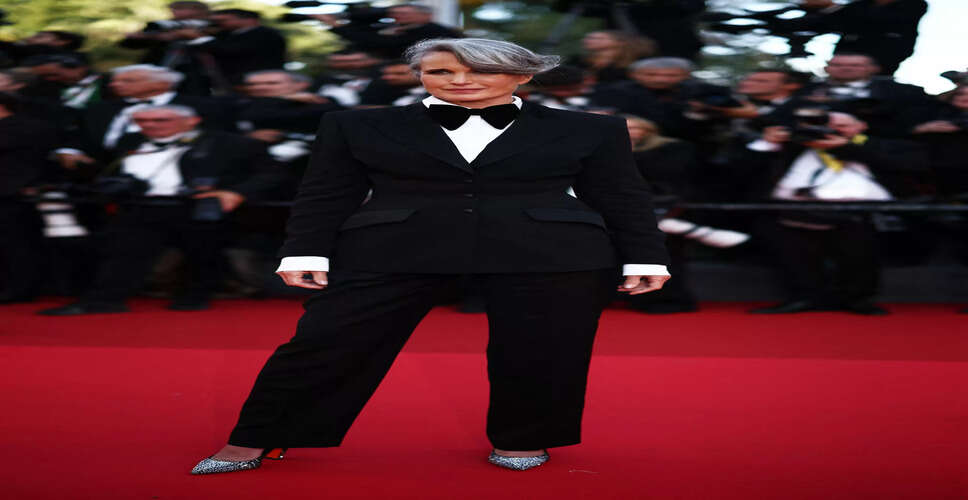
Androgynous Fashion Takes Center Stage
Recently, Andie MacDowell, Daphne Burki, and Payal Kapadia made a striking appearance on the Cannes red carpet, embodying the essence of modern Boss Ladies. The trend of androgynous fashion is gaining momentum, with not only women opting for sharp suits and bow ties but men also exploring their feminine side by wearing dresses and gowns.
Brazilian actor Jonathan Guilherme made headlines by donning a stunning golden dress paired with blue socks and military boots, styled by Rodrigo Falero at Cannes. His daring outfit drew comparisons to Harry Styles’ memorable Grammy look in a silver fringed ensemble from 2023!
Both men and women are now discarding traditional fashion rules, embracing gender-neutral styles with enthusiasm.
Fashion's Evolving Landscape
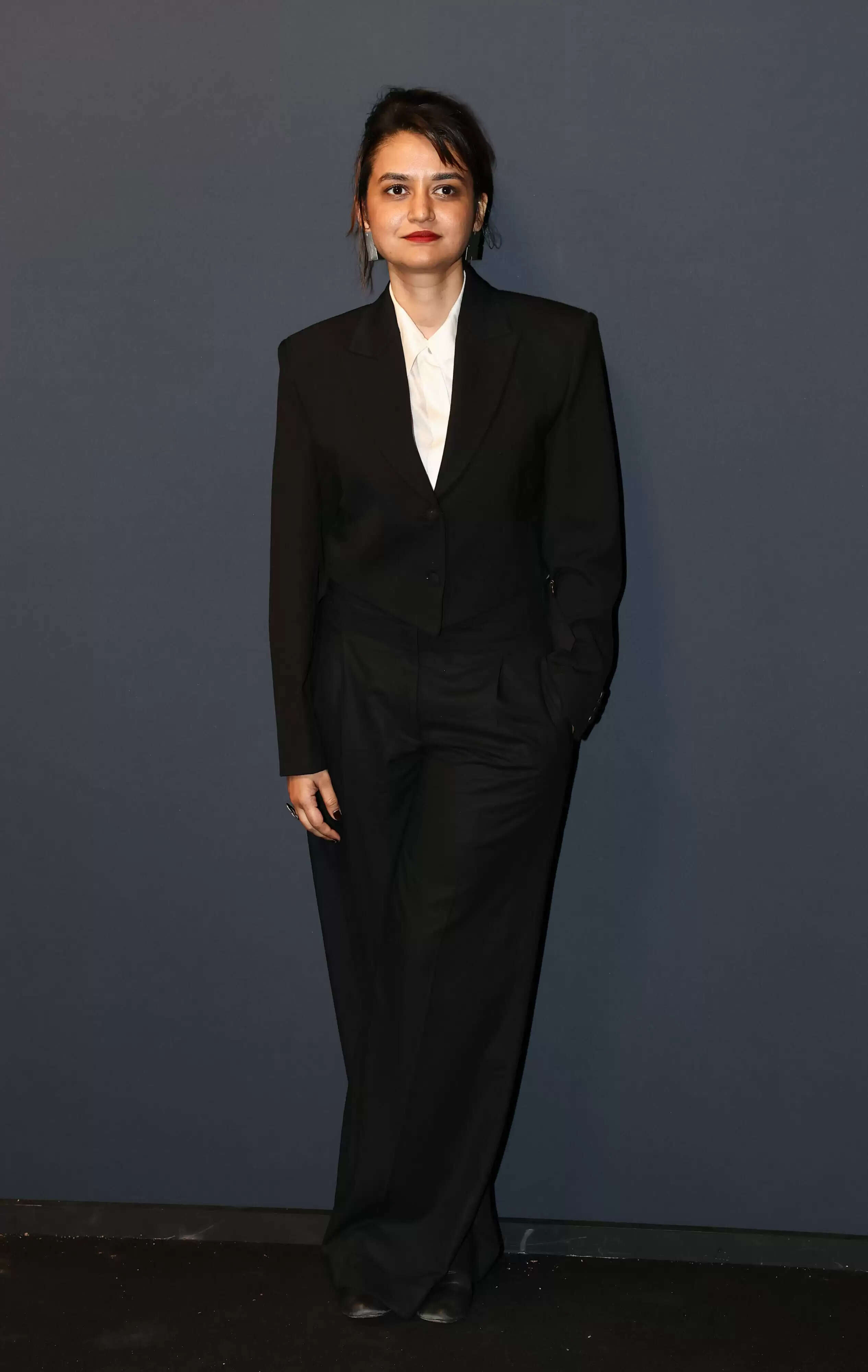
Ritu Kochhar, the founder director of the International Institute of Fashion Design, attributes this shift to a more open-minded society. She notes, "Fashion boundaries are increasingly fading; individuals are becoming more confident in expressing their identities through their clothing choices, free from the fear of judgment."
Comfort and personal identity are crucial factors influencing fashion decisions. The concept of androgynous fashion, which blends traditionally masculine and feminine styles, has been around for decades, with early icons like Marlene Dietrich and Mick Jagger paving the way in the early 1900s and 1960s, respectively.
The Trend's Influence on the Masses
As androgynous fashion gains visibility on the red carpet, it is expected to permeate mainstream culture. Ritu reflects on how athleisure became a trend, stating, "It began with celebrities and took about five to six months to reach the upper-middle class, and now brands have fully embraced it!"
Notable figures in the androgynous fashion movement include Harry Styles, Jaden Smith, Colman Domingo, and Billie Eilish. This style not only serves as a form of self-expression but also ensures that individuals stand out in a crowd. For instance, a woman in a pant suit among ten in gowns or a man in a reimagined gown amidst tuxedos is sure to attract attention.
Cultural Shifts in Fashion Choices
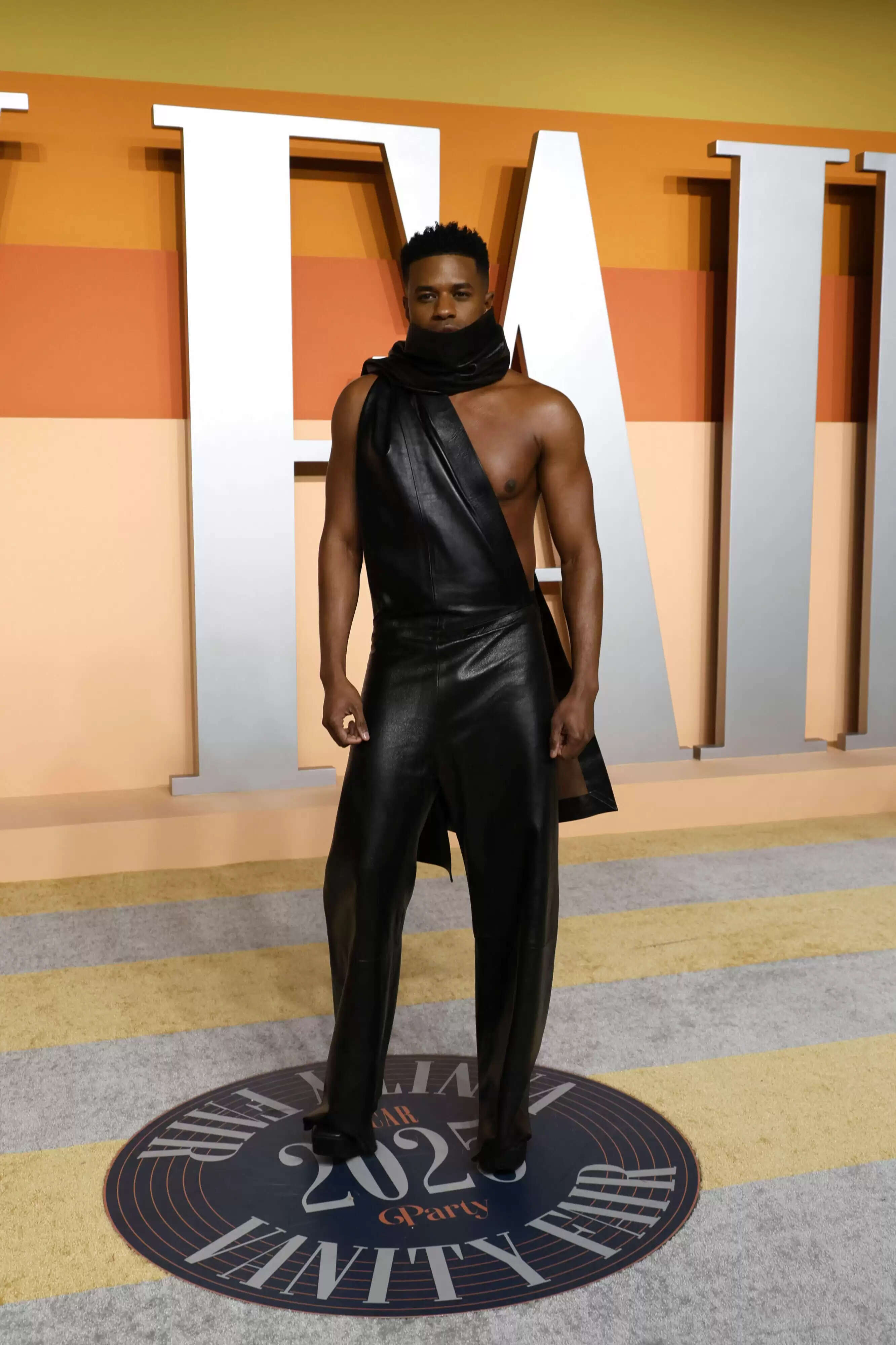
Ritu emphasizes that increased acceptance has fostered a willingness to experiment with fashion. She mentions, "Today, I can wear my son’s oversized blazer with my jeans, and no one will judge me for it." In India, she highlights Sonam Kapoor and Shibani Dandekar as pioneers of androgynous styles, while noting that Kareena Kapoor tends to play it safe.
How far can one push this trend? Women in suits paired with lacy bralettes and delicate accessories are now widely accepted, just as men are exploring colors and embellishments in their suits. Ritu points out, "There’s a fine line between fashion and folly, largely determined by the wearer's confidence." She finds the younger generation's approach to androgyny in fashion to be innovative, noting that many designers are now incorporating gender-neutral pieces into their collections. It was refreshing to see both boys and girls at Lakme Fashion Week in Mumbai sporting dhoti-style sarees and blazers, a look that certainly resonates.
Emerging Designers and Brands
While many designers have integrated androgynous fashion into their collections, some exclusive brands are leading the charge. Designers like Kanika Goyal and Dhruv Kapoor are at the forefront of this movement. Additionally, home-grown labels such as Vulgar by Akshay Sharma, Roch Studio by Ronak Choudhary, and Vaishnavi Bala’s Balav are making bold strides in this direction.