
The Psychology Behind Pricing: Why ₹99, ₹199, and ₹999 Are So Common
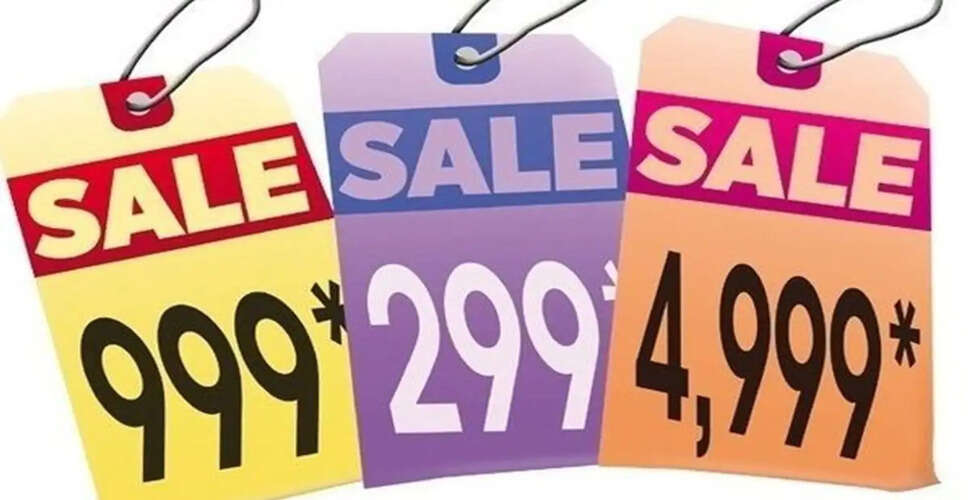

Understanding Pricing Strategies
When we shop, whether in stores or online, we frequently encounter prices that are just shy of a whole number, like ₹99, ₹199, or ₹999. This pricing strategy, often the subject of jokes, has a deeper rationale. Have you ever pondered the reasoning behind it? Let’s delve into the details.
Why Do Brands Use Prices Like ₹99, ₹199, or ₹999?
While it may seem trivial, there is significant psychological insight and marketing strategy involved—elements that many consumers overlook. Here are the primary reasons for this pricing approach:
Psychological Insights
Companies utilize a psychological tactic where a price just one rupee less appears much lower than a rounded figure like ₹1,000 or ₹2,000. For example, ₹999 feels much closer to ₹900 and further from ₹1,000, creating a perception of a better deal. This strategy gives consumers the impression of saving money, contributing to their overall satisfaction.
The Perception of Discounts
Eye-catching signs and online flash sales that showcase significant discounts encourage purchases. This tactic is particularly effective when a four-digit price is reduced to three digits, such as selling an item originally priced at ₹1,500 for ₹999. Promotions like 20% or 50% off further entice buyers.
The "Left-Digit Effect" Explained
Have you heard of the "Left-Digit Effect"? This marketing principle suggests that consumers read numbers from left to right, making the first digit more impactful and memorable.
Advantages for Retailers
Customers often do not ask for the remaining change of 1 or 2 rupees after a purchase, sometimes hesitating to request it. This practice benefits shopkeepers, making the use of prices like ₹99 or ₹999 advantageous. While the profit margins may be small, they accumulate over time.
PC Social Media