
The Nutritional Benefits of Ragi: A Winter Superfood

Why Ragi is Essential for Winter Nutrition
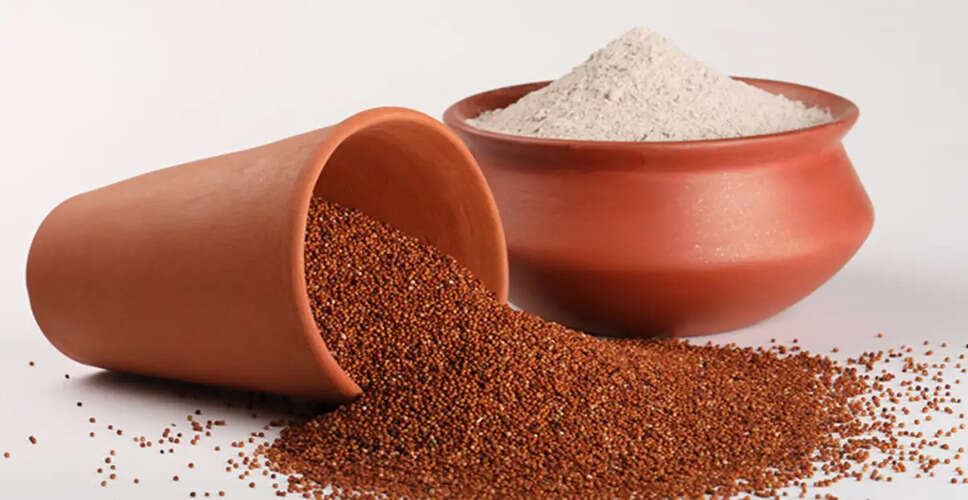
As winter sets in, it becomes crucial to adapt our diets to ensure we receive the necessary nutrients for optimal health. Ragi, also known as Mandua, is a traditional grain cultivated in mountainous regions and is often hailed as a "superfood." This grain is rich in vital nutrients, including calcium, iron, fiber, and protein, making it beneficial for bone health, digestion, and energy levels.
Despite its numerous benefits, it's important to note that individual nutritional requirements can differ, and some people may need to limit their intake. This article will delve into the advantages of incorporating Ragi into your winter diet, the best methods of consumption, and who should be cautious.
Key Advantages of Including Ragi in Your Diet
1. Strengthens Bone Health
Ragi is a fantastic source of calcium, essential for maintaining strong bones and teeth. It is particularly beneficial for children, women, and the elderly.
2. Supports Digestive Health
Rich in fiber, Ragi enhances digestion and helps prevent constipation, contributing to overall gut health.
3. Provides Sustained Energy
The carbohydrates found in Ragi offer a steady energy supply. Consuming Ragi as porridge or flatbread for breakfast can help you feel satiated longer.
4. Aids in Blood Sugar Regulation
The fiber content in Ragi can slow down food digestion and glucose absorption. However, those with diabetes should consume it in moderation as part of a balanced diet, as it is not a replacement for diabetes medication.
5. Assists with Weight Management
The fiber in Ragi promotes a feeling of fullness, which can help reduce frequent snacking and control hunger.
6. Addresses Iron Deficiency
Ragi is a good source of iron, crucial for hemoglobin production. Pairing it with Vitamin C-rich foods can enhance iron absorption.
Five Delicious Ways to Incorporate Ragi into Your Winter Meals
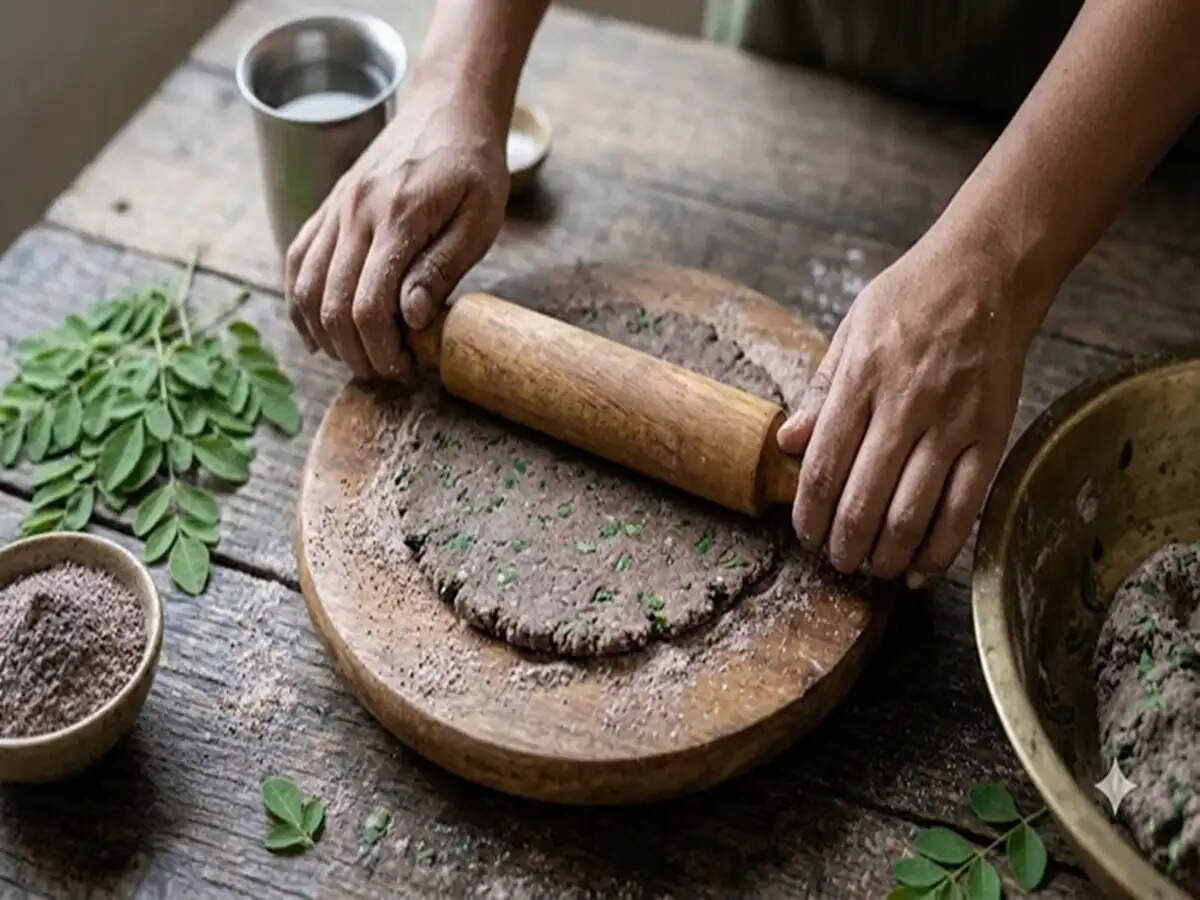
In regions like UP and Bihar, Ragi flatbread (roti) is a winter favorite, often enjoyed with ghee. Here are some tasty ways to include Ragi in your meals:
- Ragi Roti: Serve Ragi rotis with vegetables or lentils.
- Ragi Porridge (Daliya): Cook Ragi flour in milk or water for a nutritious porridge.
- Ragi Chilla: Make savory pancakes by mixing vegetables into Ragi flour.
- Ragi Dosa: A delightful breakfast option.
- Ragi Khichdi: Combine Ragi with lentils and vegetables for a wholesome dish.
Who Should Be Cautious with Ragi Consumption?
Certain individuals should be mindful when consuming Ragi, including:
- Those with kidney disease
- Individuals with kidney stones
- People experiencing digestive issues
- Diabetics
Stay Connected
PC Social Media