
The Medicinal Wonders and Cautions of the Ak Plant

Understanding the Ak Plant
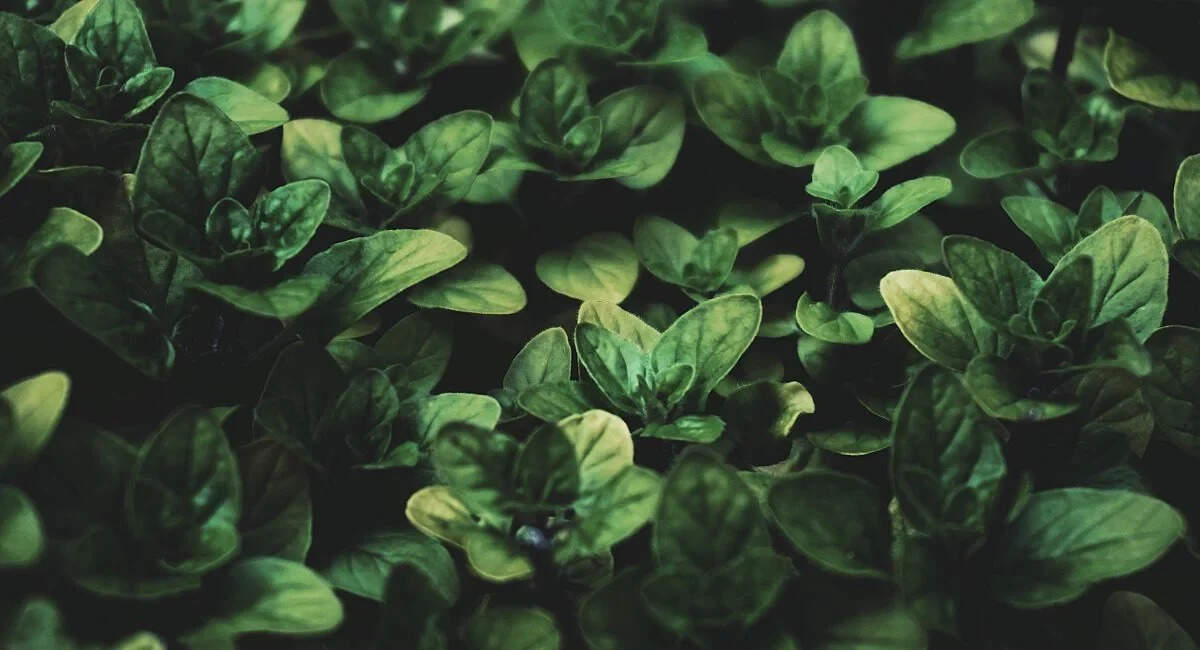
The Ak plant is renowned for its medicinal properties, yet it can be toxic if misused.
Medicinal Uses and Precautions
- In Ayurveda, the Ak plant is classified among toxic plants, but when used correctly and in moderation, it can be beneficial for various ailments.
- Every part of the Ak plant, including its leaves, roots, flowers, and latex, has distinct medicinal significance.
- It is utilized in treating conditions such as diabetes, arthritis, hemorrhoids, cough, and skin disorders.
- Consumption of the latex and roots should only be done under the supervision of an experienced practitioner.
Cultural Beliefs and Misconceptions
Historically, medicinal plants have held great importance in India, and the Ak plant, also known as Madar or Ark in various regions, is one of them. It typically thrives in dry, barren, and elevated terrains and is commonly found in villages and towns.
There is a prevalent belief in society that the Ak plant is highly poisonous and that contact with it is dangerous. While there is some truth to this, as Ayurvedic texts categorize it as a toxic plant, experts assert that when used in the right dosage and manner, it can effectively treat several serious diseases.
Physical Characteristics of the Ak Plant
Appearance of the Ak Plant
- The Ak plant is a shrub.
- Its leaves are thick, initially greenish-white, turning yellow upon maturity.
- It bears small, white, star-shaped flowers with purple spots.
- The fruit resembles that of a mango, containing fibrous material.
- Breaking its branches releases a white, milky sap considered toxic.
Medicinal Benefits of the Ak Plant
Chemical Composition
The Ak plant is recognized for its medicinal value. Scientific studies reveal that its roots and stems contain compounds like Amirin, Gignatol, and Calotropin, while its leaves and sap have Trypsin, Uscharin, and Calotoxin. These compounds contribute to its therapeutic properties.
Key Benefits of the Ak Plant
- Helps Control Diabetes and Obesity: Binding an Ak leaf to the sole of the foot can help normalize blood sugar levels and gradually reduce belly fat.
- Useful for Wound Healing: Burning Ak leaves in oil and applying them to wounds or swellings provides relief, acting as a natural antiseptic.
- Relieves Cough and Respiratory Issues: Mixing powdered Ak root with black pepper and forming pills can help alleviate cough and phlegm.
- Alleviates Headaches: Inhaling smoke from dried branches or applying ash from the root can relieve headaches and itching.
- Addresses Arthritis and Joint Pain: Consuming bread made from Ak root and wheat can help treat chronic arthritis.
- Treats Hemorrhoids: Applying a mixture of Ak sap and leaves to hemorrhoids can provide relief.
- Promotes Hair Growth: Applying Ak sap to bald areas can stimulate new hair growth.
- Effective for Skin Issues: Mixing Ak sap with turmeric and oil can rapidly alleviate ringworm and itching.
- Improves Hearing: Heating Ak leaves with ghee and applying the juice in the ear may help with hearing loss.
Cautions Regarding the Ak Plant
Necessary Precautions
While the Ak plant offers numerous health benefits, excessive use can be dangerous. Overconsumption of the root bark can lead to irritation in the intestines and stomach, causing nausea and diarrhea.
Toxic Elements
The fresh sap of the Ak plant acts like a poison. High quantities can create toxic effects in the body, as confirmed by Ayurvedic texts.
Safety Measures
In case of accidental overconsumption, using ghee and milk can help mitigate adverse effects. Experts recommend that the use of the Ak plant should only be done under the guidance of a qualified Ayurvedic practitioner.
The Ak plant holds a significant place in both Indian tradition and Ayurveda. It can be both dangerous and beneficial, depending on its usage. When used in the correct dosage and method, under the supervision of an experienced practitioner, it can yield remarkable results in treating various ailments. Despite common misconceptions, a scientific perspective reveals that the Ak plant is indeed a remarkable gift from nature.