
The Majestic Jagannath Ratha Yatra: A Spiritual Journey in Puri
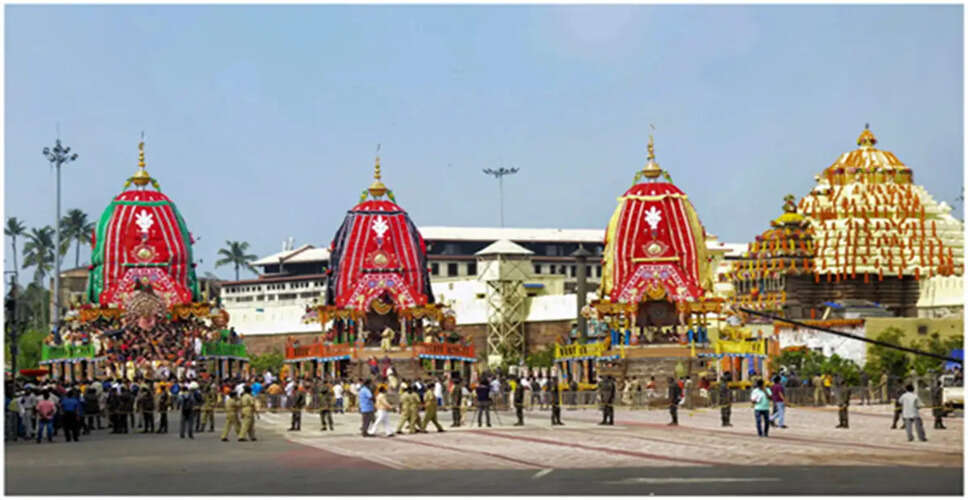

Overview of the Jagannath Festival
Jagannath Festival: Located in Puri, Odisha, the Jagannath Dham is one of the four revered *Char Dham* pilgrimage sites. Each year, it hosts the grand *Ratha Yatra* (Chariot Festival) of Lord Jagannath, which is among the oldest and most significant religious celebrations in India. This event showcases a beautiful blend of faith, devotion, and tradition. During the festival, Lord Jagannath, along with his siblings Balabhadra and Subhadra, is placed on elaborately decorated chariots and transported from the Jagannath Temple to the Gundicha Temple. In 2026, the *Ratha Yatra* will begin on Thursday, July 16, and will conclude with the *Bahuda Yatra* (Return Procession) on July 24. This event attracts millions of devotees each year, who view it as a spiritually enriching experience.
Importance of the Jagannath Ratha Yatra
The Jagannath Ratha Yatra holds immense spiritual significance and is believed to be highly rewarding. Devotees have the unique opportunity to serve the Lord by pulling the ropes of the chariots. It is said that simply witnessing the deities or participating in the procession grants substantial spiritual merit. Pulling the chariot is thought to absolve one of sins and facilitate liberation from the cycle of rebirth. For many, this journey is a pathway to spiritual elevation and a closer connection with the Divine.
The Chariots of Lord Jagannath
Lord Jagannath’s Chariot (Nandighosha): Known as "Nandighosha," this chariot is the most prominent in the *Ratha Yatra*. It boasts 16 large wheels, giving it a grand and unique look. Constructed from around 332 pieces of wood, it reflects ancient craftsmanship and traditions. Standing at approximately 45 feet tall, it is a striking sight, adorned in red and yellow, colors that signify auspiciousness and vitality. The upper section features emblems of Lord Hanuman and Lord Narasimha, enhancing its religious importance. Traditionally, it is the last chariot in the procession.
Lord Balabhadra’s Chariot (Taladhvaja): This chariot, known as "Taladhvaja," symbolizes strength and discipline. It has 14 large wheels and stands about 44 feet tall, presenting a magnificent sight. Adorned in blue, it represents peace and stability, and according to tradition, it leads the procession.
Goddess Subhadra’s Chariot (Darpadalan): Known as "Darpadalan," this chariot symbolizes balance and grace. It features 12 wheels and stands approximately 43 feet tall. Decorated in black, a color that signifies power and mystery, it moves centrally in the procession, representing Goddess Subhadra’s presence between her brothers. All three chariots are constructed through a sacred process that avoids the use of metal nails. Devotees pull these chariots with deep reverence and enthusiasm, making the entire procession a magnificent display of faith, dedication, and spiritual unity.
Conclusion
The Jagannath Ratha Yatra is not just a festival; it is a profound spiritual journey that unites millions in devotion and celebration.