
The Importance of Sunscreen: Protect Your Skin This Summer

Why Sunscreen is Crucial for Skin Protection
During the hot summer months, stepping outside exposes you to intense sunlight. The ultraviolet (UV) rays from the sun can severely harm your skin, making sunscreen application vital for safeguarding your skin.
In this article, we will discuss the significance of sunscreen, the appropriate SPF levels to consider, and essential factors to keep in mind when selecting a sunscreen.
Why is Sunscreen Essential for the Skin?
The sun emits both UVA and UVB rays, and sunscreen serves as a protective barrier against these harmful rays. These ultraviolet rays can lead to various skin problems, which sunscreen can help prevent.
Preventing Premature Aging: Exposure to sunlight can cause wrinkles, fine lines, and sagging skin, a phenomenon known as photo-aging. Sunscreen is effective in combating these effects.
Protection Against Hyperpigmentation: Sun exposure can lead to dark spots and uneven skin tone. Sunscreen helps preserve the skin's natural glow and uniformity.
Reducing Skin Cancer Risk: Consistent use of sunscreen can also diminish the likelihood of developing skin cancer.
Choosing the Right SPF Level
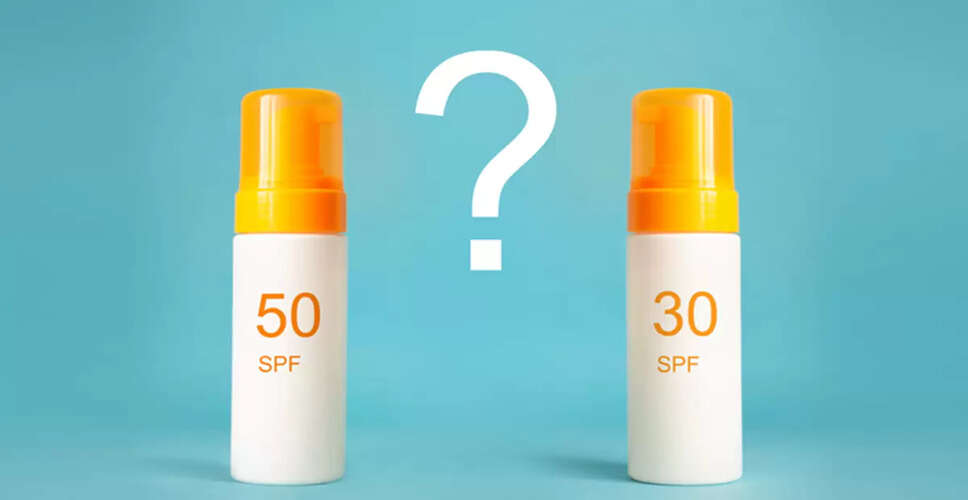
SPF, or Sun Protection Factor, indicates how long a sunscreen can shield your skin from UVB rays.
SPF 15: Blocks about 93% of UVB rays, suitable for individuals who mostly stay indoors.
SPF 30: Blocks around 97% of UVB rays.
SPF 50: Blocks approximately 98% of UVB rays. This is the best option for those spending extended time outdoors or at the beach.
It's important to note that no sunscreen provides complete protection, so reapplication every 2 to 3 hours is essential.
Key Considerations When Purchasing Sunscreen
Selecting the right sunscreen is as crucial as its application. Here are some factors to consider:
Broad Spectrum: Always opt for a sunscreen labeled "Broad Spectrum" to ensure protection against both UVA and UVB rays.
PA Rating: Check for PA+, PA++, or PA+++ on the label. More plus signs indicate better UVA protection.
Skin Type: For oily skin, choose gel-based or matte-finish sunscreens. For dry skin, go for lotion or cream-based hydrating options.
Water Resistant: If you sweat a lot or swim frequently, select a water-resistant sunscreen.
Consequences of Skipping Sunscreen
Sunburn: Skin redness accompanied by burning and itching sensations.
Dark Spots: Development of dark spots and pigmentation on the skin.
Loss of Elasticity: Skin may lose its firmness, leading to premature aging and sagging.
Stay Protected This Summer
Make sunscreen a part of your daily skincare routine to ensure your skin remains healthy and protected from the sun's harmful effects.