
The Importance of Courtyards in Traditional Homes
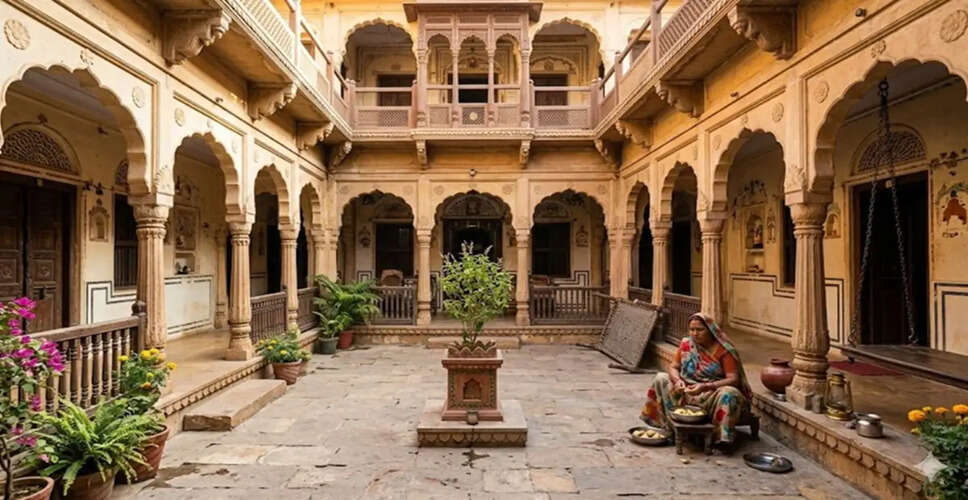

Exploring the Role of Courtyards in Traditional Architecture
When we think of historic homes, a spacious central courtyard often comes to mind. Reflecting on the era of our grandparents and earlier generations, it was common for homes to include this feature. However, as architectural trends have shifted, courtyards have become increasingly rare.
In modern cities, houses with courtyards are seldom seen, and even rural areas are witnessing a decline in this architectural element. Have you ever considered why courtyards were deemed essential in traditional homes? Whether it was the *aangan* in North India or the *Nadumuttam* in Kerala, our ancestors thoughtfully designed these open spaces. Let's delve into the significance of courtyards in traditional residences.
**Natural Ventilation and Light**
The main purpose of a courtyard was to maintain a healthy flow of air and light throughout the home. In times when electricity was not consistently available, these open spaces provided natural light and ventilation. Additionally, courtyards acted as natural thermal regulators. Families often planted small shrubs and greenery, which helped keep the indoor environment cool while allowing sunlight to brighten the home during the day.
**Fostering Family Connections**
Historically, many families lived together in joint households. The courtyard was a communal area that brought families together. During the day, women would lay out mats to sit and converse, while also performing tasks like preparing meals, drying *papad* and pickles, and chopping vegetables.
In the evenings, family members would gather to share stories, with grandmothers recounting tales to children, or simply enjoying the cool evening air during hot summer nights. Significant family events, including weddings, the *Mundan* (first hair-cutting) ceremony, and various festivals, were often celebrated in this central space, where women from the community would come together.
**Cultural and Religious Importance**
In many Hindu homes, a *Tulsi* (holy basil) plant was typically found in the courtyard's center. Rituals such as worshipping the plant, lighting lamps morning and evening, and applying cow dung or mud to the courtyard floor were considered auspicious.
Connection to Nature
The courtyard ensured that homes felt open and connected to the outdoors. Residents could look up at the sky, enjoy the rain, and gaze at the stars at night. The sight of birds visiting to feed, along with the refreshing breeze from nearby trees, created a deep connection with nature.
**Women’s Privacy**
In earlier times, women often lived in seclusion (*purdah*). The courtyard provided a private space where they could carry out their daily activities freely, away from the scrutiny of outsiders.