
The Importance of Apologizing to Children for Healthy Relationships

Understanding the Value of Apologizing to Kids
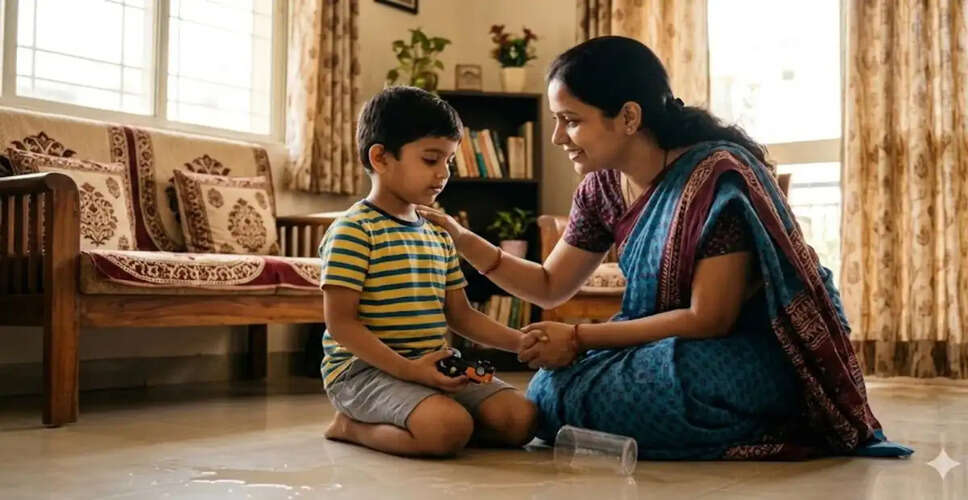
Why Apologizing Matters: In many households, adults often feel pressured to maintain an image of perfection in front of their children. Stress from work, fatigue, or being in a hurry can lead to moments where we might raise our voices, break promises, or judge without knowing the full context. There's a prevalent belief that if adults apologize, it may lead to children becoming unruly or that it could undermine our authority. However, acknowledging our mistakes openly teaches children one of the most valuable lessons in life.

Recognizing Mistakes is Not Weakness:
When children see their parents as human beings who can make mistakes, it alleviates the pressure to be perfect. Many kids may feel anxious, lie, or criticize themselves when they err, viewing it as a serious fault. In an environment where admitting errors is normalized, children learn that mistakes are a natural part of life, and what truly matters is how we address them.
Understanding Emotions:
Saying "sorry" for our missteps acknowledges that our actions may have hurt someone else. This practice helps children identify their own feelings and respect others' emotions. As they mature, these children often become empathetic individuals, nurturing friendships, and considerate partners who value communication and understanding over pride.
Emphasizing Responsibility:
Children primarily learn from observing their parents rather than through direct instruction. When parents take responsibility for their actions instead of making excuses, such as saying, "I was wrong because I was angry; I apologize," children are more likely to adopt a similar attitude towards their own mistakes.
Insights from Parenting Experts:
An article on parenting and psychology highlights that when parents apologize, children feel their emotions are validated. This acknowledgment fosters a culture where children feel comfortable apologizing for their own mistakes, learning from the behavior modeled by adults. This approach encourages children to handle situations constructively rather than deflecting blame or making excuses.
Building Trust:
A common myth is that admitting faults reduces a child's respect for their parents. In fact, the opposite occurs. When parents admit their mistakes without ego, it strengthens the child's trust. They come to see their parents as fair and honest, which encourages open communication about their own issues as they grow.
The Importance of This Habit:
In our fast-paced world, the gap in communication between parents and children is widening. Admitting mistakes can serve as an emotional bridge, transforming parenting from a directive approach to a collaborative journey of learning. This practice fosters a positive home environment, relieving adults of hidden guilt and preventing children from harboring fear or resentment.
Simple Ways to Implement This Practice:
There’s no need for lengthy explanations every time. A simple acknowledgment like, “I was upset today, which is why I reacted that way; I’m sorry,” or “I couldn’t keep my promise; I’ll do better next time,” suffices.
Fostering Warm Family Relationships:
Ultimately, in a household where parents admit their mistakes, children learn more than just how to apologize; they gain skills to navigate life with honesty, humility, and confidence. Being a genuine and understanding parent is far more valuable than striving for perfection.
PC Social Media