
The Importance of Allowing Children to Make Mistakes in Parenting


Understanding Positive Parenting
Positive Parenting: Every parent aspires for their child to be wise, excel academically, and consistently make sound choices. In striving for these goals, parents often highlight even the tiniest errors—whether it's scolding for spilled milk, showing dissatisfaction over homework mistakes, or offering unsolicited advice after a game loss. Over time, this can lead children to hesitate before taking action, fearing they might disappoint their parents. Have you ever thought about how this fear of making mistakes can adversely affect a child's self-esteem and mental well-being? Instead of pressuring them to be perfect, it's crucial to allow children the chance to learn from their errors, which is a vital aspect of effective parenting.
The Value of Freedom to Err
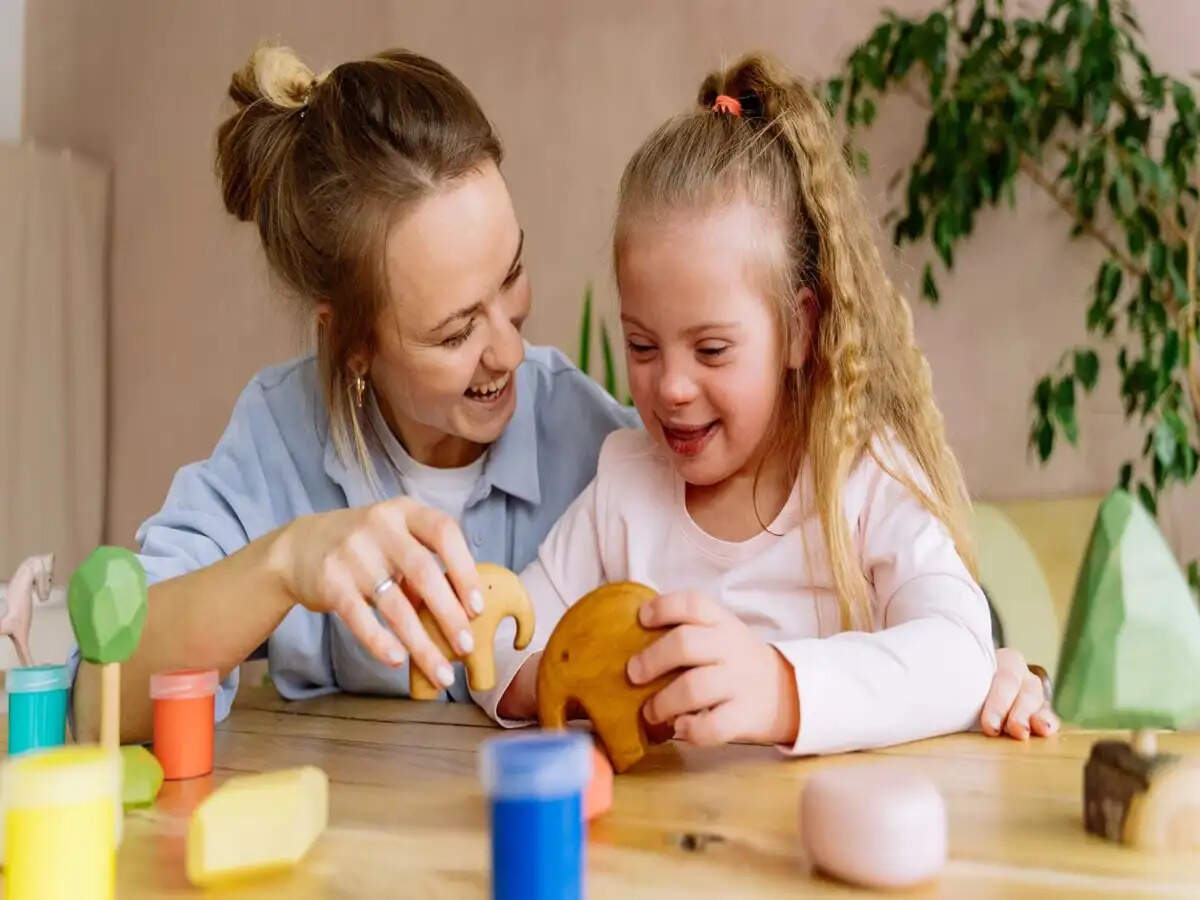
Childhood is a time for learning and trying new things.
Why is the freedom to make mistakes important?
Childhood serves as a crucial period for exploration and learning. During this phase, children may make poor choices, break items, or fail to meet expectations. In these instances, a parent's first response should not be to reprimand the child or correct the error for them. Instead, children should be encouraged to recognize their mistakes and understand how to improve in the future.
When children feel safe at home to express their thoughts, ask questions, and acknowledge their mistakes, they develop a stronger sense of security. They learn that even if they err, their parents will support them. This approach does not imply that children should be excused for every mistake; rather, it involves guiding them to differentiate between right and wrong without subjecting them to embarrassment.
Impact of Mistake Anxiety on Mental Health
How can the fear of making mistakes affect a child’s mental health?
Research published in the *British Journal of Educational Psychology* indicates that if a child harbors a profound fear of being scolded or humiliated for mistakes, they may start avoiding new experiences altogether. Often, they might conceal their errors or become hesitant to speak the truth. This fear can extend to their academic performance, sports, and other activities.
Such anxiety can also undermine their self-esteem. A child may strive for perfection, perceiving even minor setbacks as personal failures. This mindset can lead to frustration, anxiety, and feelings of inadequacy compared to peers. While the effects vary among children, ongoing criticism and shaming do not create a nurturing environment for emotional growth.
Research Insights
Research findings
A study featured in the *British Journal of Educational Psychology* explores the connection between a child's fear of mistakes and parental behavior. The research involved interactions between 231 eight-year-olds and their mothers. Findings revealed that when mothers recognized their child's feelings and frustrations and collaborated with them to find solutions, the child's fear of making mistakes diminished.
Merely instructing a child on what to do differently is insufficient. It's equally vital to validate their emotions and reassure them that their parents will remain supportive, even in the face of mistakes. This approach lessens fear and encourages children to learn from their errors instead of hiding them.
Guiding Children to Learn from Mistakes
How can you help children learn from their mistakes?
Avoid immediate scolding: If a child spills water or breaks something, calmly address the situation first. Instead of reacting with anger, guide them on how to be more careful next time.
Ask questions about the mistake: Rather than jumping to conclusions or scolding, inquire, "What do you think went wrong?" or "How could you handle this differently next time?" This promotes independent thinking.
Acknowledge your own mistakes: Parents are not infallible. If you make an error, openly admit it to your child. This helps them realize that mistakes are a natural part of life.
Praise the effort: Recognize not just achievements but also the effort, patience, and willingness to try again. This teaches children to appreciate the learning journey over the final result.
Assist in correcting mistakes: Encourage children to take responsibility for their actions. For instance, if they scatter their toys, help them clean up. This teaches them how to rectify their own errors.
Grant freedom, but set appropriate boundaries.
Allowing children to make mistakes doesn't mean they can do anything they want. Parents should establish age-appropriate rules. Certain activities—like playing near traffic or handling fire—are dangerous and must be prohibited. However, for everyday tasks, allow them to experiment independently. This fosters learning from mistakes and gradual maturity.
Conclusion
The American Academy of Pediatrics emphasizes that effective parenting involves showing love, listening to children, and providing support. It's equally crucial to teach them the difference between right and wrong. Therefore, instead of shielding children from every mistake, offer them the chance to learn from their own errors. Reassure them that their parents will always be there to help when needed.
PC Social Media