
The Importance of Allowing Children to Face Disappointment

Understanding Children's Emotional Resilience
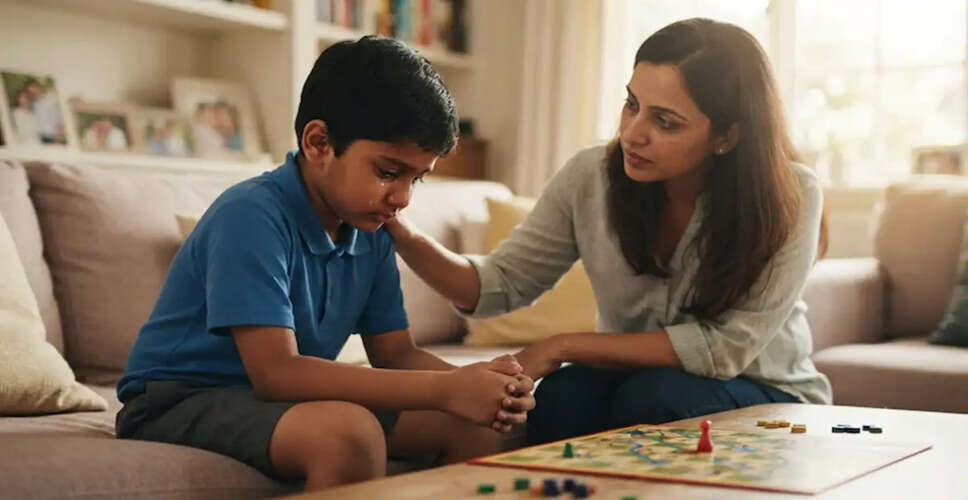
When a child comes home feeling down after a loss in a game or a friend’s refusal to play, their immediate reaction may be sadness or anger. In these moments, parents often feel compelled to cheer them up—some may offer a favorite snack, while others might rush to fix the situation. Naturally, no parent wants to see their child upset. However, is it always beneficial to shield them from disappointment? Psychological insights suggest that facing small challenges can equip children with the skills needed to handle more significant obstacles later in life.
Why Avoiding Difficulties Can Be Detrimental
Why is it not advisable to shield children from every difficulty?
In their desire to protect their children from hardship, parents might unintentionally prevent them from learning how to solve problems independently. For example, if a child loses a game, rather than encouraging them to improve next time, parents might make excuses for them. In cases of conflict with peers, they may intervene without fully grasping the situation. This pattern can lead to a child becoming reluctant to make decisions or confront challenges, fostering a belief that someone will always come to their rescue.
The Significance of Enduring Disappointment
Why is the capacity to endure disappointment important?
"Frustration tolerance" is the ability to maintain composure when things don’t go as planned or when one experiences failure. When children face setbacks, such as losing a game or waiting for their turn, they gradually learn that life doesn’t always align with their desires. Child psychologists advocate for allowing children to encounter minor challenges in a secure environment. Parental support and patience reassure children that disappointment is a normal aspect of life and that they can overcome it.
Key Lessons from Small Challenges
Small challenges teach four key lessons:
Firstly, children learn to accept defeat and strive for improvement. Secondly, they develop better emotional management skills for feelings like anger and sadness. Thirdly, making age-appropriate decisions enhances their self-esteem. Lastly, they cultivate the ability to find solutions independently, whether it’s fixing a broken toy, correcting homework mistakes, or resolving conflicts with friends. These experiences are invaluable as they navigate academics, friendships, and other relationships in the future.
How Parents Can Support Their Children
How can parents help?
If a child feels disheartened after a game, instead of rushing to buy a new toy or making excuses, parents should listen to their feelings. A supportive response could be, "I see you’re upset. What do you think you could do differently next time?" In cases of conflict with friends, it’s essential to hear the entire story before discussing potential resolutions. Rather than providing answers, parents should encourage independent thinking by allowing children to take on small responsibilities and make age-appropriate choices.
Balancing Support and Independence
This does not mean leaving the child to fend for themselves:
Teaching children to handle disappointment doesn’t imply that parents should ignore their distress. If a child is being bullied, consistently feels sad, or if their safety is at risk, parents must step in. Children should feel secure in sharing their problems with their parents without fear of judgment. Recognizing their emotions and providing assistance when necessary is just as crucial as encouraging independence.
Fostering Resilience Over Constant Happiness
The goal is to build resilience, not to ensure constant happiness:
Effective parenting isn’t about eliminating every challenge from a child’s life. It’s not the parents' role to protect them from every instance of loss or disappointment. Instead, it involves teaching them how to manage their emotions during such times and how to move forward. When children understand that their parents will support them through tough situations, they gradually learn to be self-sufficient and tackle life’s challenges.
Conclusion
PC Social Media