
The Impact of Parental Conflict on Children's Development

Understanding the Effects of Family Disputes
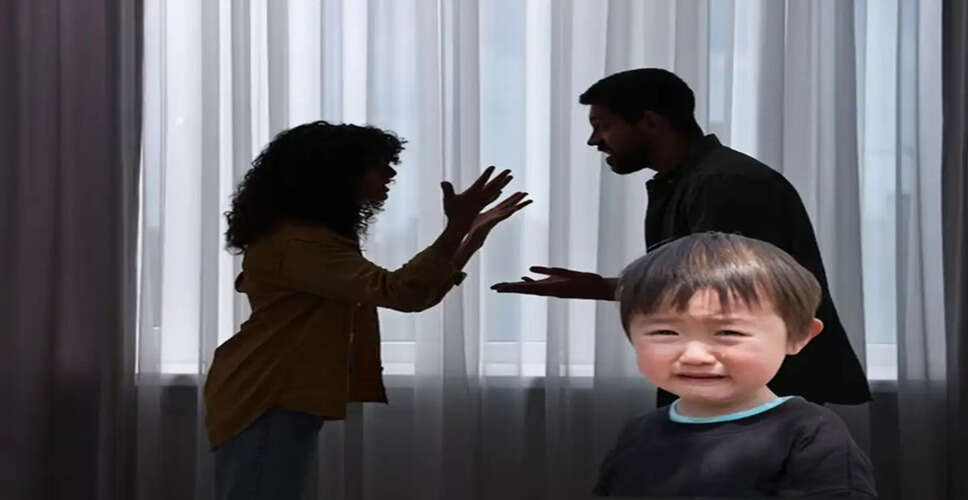
It is often said: "Children learn more from what we do than from what we say." The home serves as the initial environment where a child discovers love, safety, and social behavior. However, when arguments and shouting fill the air, it can severely affect the fragile minds of children. Many parents may think, "They are too young to understand this," but children are often more perceptive than adults when it comes to sensing tension.
**Aggressive Behavior** – One of the first indications of ongoing parental disputes is often seen in the form of heightened aggression in children. When kids observe their caregivers resolving issues through yelling or anger, they may internalize this as an acceptable conflict resolution method.
**Decline in Academic Engagement** – Another significant change is a noticeable drop in focus and school performance. A chaotic home environment can keep a child in a state of constant anxiety, making them worry about potential conflicts and their implications.
**Social Withdrawal** – Children affected by such turmoil may also experience social difficulties, often isolating themselves. To escape the stress of ongoing arguments, they might retreat to their rooms or limit their interactions with peers. This behavior can indicate a growing lack of self-esteem, leading them to feel that their emotions are insignificant, which hinders their ability to build healthy relationships in the future.
**Frequent Health Issues** – The mental strain from a turbulent home life can also manifest physically in children. They may frequently complain of headaches, stomach pains, or anxiety without any medical explanation. These symptoms often stem from the internalized fear and stress they experience. Domestic conflicts can disrupt their eating and sleeping patterns, which are crucial for their physical development.
Parents must recognize this: To protect children from these adverse effects, it is essential for parents to understand that arguing in their presence can hinder their growth. If disagreements arise, it is advisable to resolve them privately. Demonstrating control over tone and language in front of children is a sign of responsible parenting. If a child witnesses an argument, it is important to later clarify that disagreements among adults do not diminish their love for each other.
To effectively manage conflicts, parents should exemplify 'constructive discussions.' Teach children that differences can be settled without raising voices—by actively listening and finding common ground. This approach equips children with positive conflict resolution skills that will benefit them throughout their lives. After a disagreement, it is crucial to interact normally and respectfully in front of the children to alleviate any feelings of insecurity.
Ultimately, a 'harmonious and joyful home' holds far greater significance for children than material possessions like toys or clothes. Dedicate quality time to your children each day, listen to their concerns, and reassure them that home is their safest haven. The strength of your relationship lays the groundwork for their promising and healthy future; do not allow anger to overshadow their childhood.
PC Social Media