
The Impact of Eliminating Chapati from Your Diet

Understanding the Role of Chapati in Our Diet
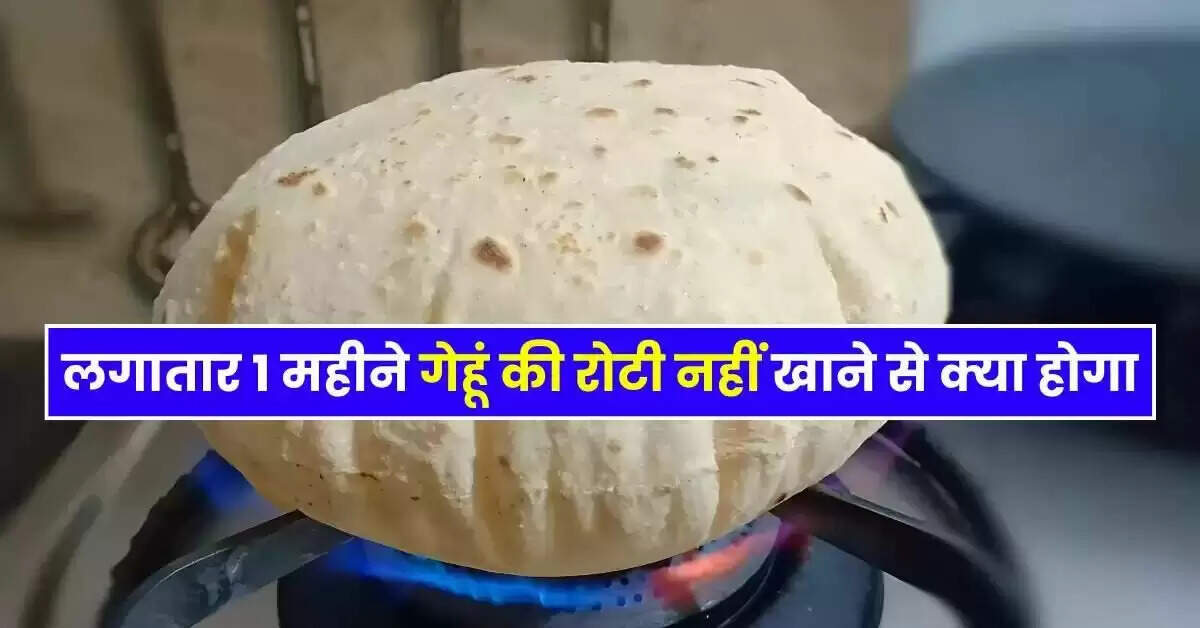
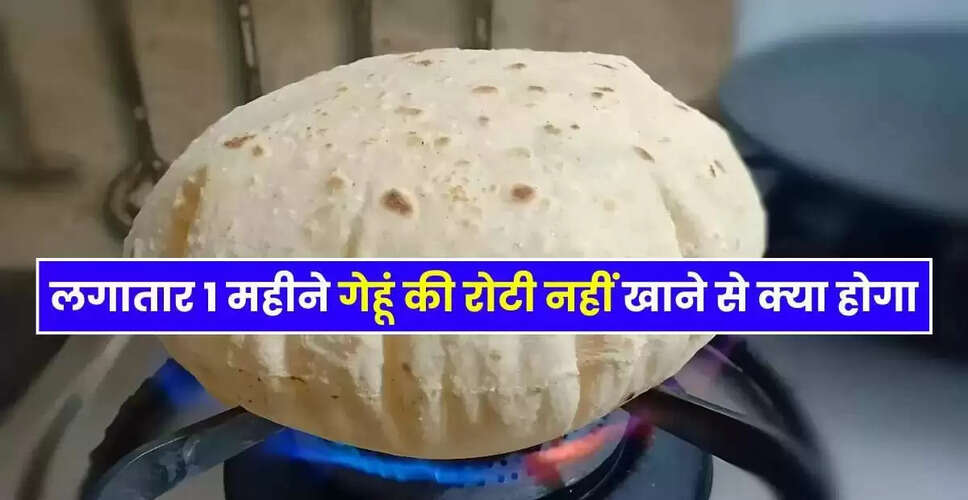
What Happens if You Stop Eating Chapati: In many households, wheat chapati is considered an essential part of the meal. Its absence can make a meal feel incomplete. However, when it comes to dieting, some individuals contemplate cutting out chapati. On the other hand, there are those who believe that wheat is beneficial due to its rich vitamin content and thus find it unwise to eliminate it from their diet. This raises the question: what are the consequences of not consuming wheat chapati for an entire month?
Expert Advice from a Nutritionist
Dietitian's Insights: We consulted Dr. Induja Dixit, head of the Diet and Nutrition Department at Charak Hospital and Research Center in Lucknow, to gain insights on the potential effects of abstaining from wheat chapati for a month.
Is Wheat Beneficial or Harmful?
Wheat's Health Impact: According to the dietitian, wheat is not harmful to health. The gluten found in chapati is a type of protein that is not detrimental to most individuals. However, for those with certain medical conditions, gluten may pose health risks, and such individuals are often advised against consuming gluten-based diets.
Importance of a Balanced Diet
Maintaining Balance: It is commonly understood that moderation is key in any diet. Overconsumption of any food, whether it be dairy, fruits, or chapati, can lead to health issues. While chapati can be beneficial when consumed in moderation, eating three to four chapatis at every meal can be detrimental. It is crucial to maintain a balanced diet that includes rice, lentils, and other foods alongside chapati.
Nutritional Benefits of Wheat
Rich Nutritional Profile: Wheat is packed with essential nutrients, including potassium, folate, vitamins B6 and B12, fiber, iron, calcium, carbohydrates, protein, and sodium, all of which contribute positively to health.
Potential Health Issues from Avoiding Wheat
Possible Health Concerns: If you refrain from eating wheat chapati for a month or longer, you may experience a decrease in energy levels. Other potential issues include anemia, skin rashes, cracked lips, mood swings, weakened immunity, and fragile bones.
How to Consume Wheat Effectively
Best Practices for Wheat Consumption: Many people tend to grind wheat flour too finely and remove the bran, which is not advisable. It is better to have wheat ground coarsely and to use flour that includes bran. Consuming refined flour can lead to increased sugar levels, so opting for coarsely ground wheat flour, similar to millet or barley flour, is recommended. Avoiding wheat flour for an extended period does not provide significant benefits and may instead lead to adverse effects.