
The Hidden Risks of Beetroot: What You Need to Know
Understanding the Risks of Beetroot Consumption
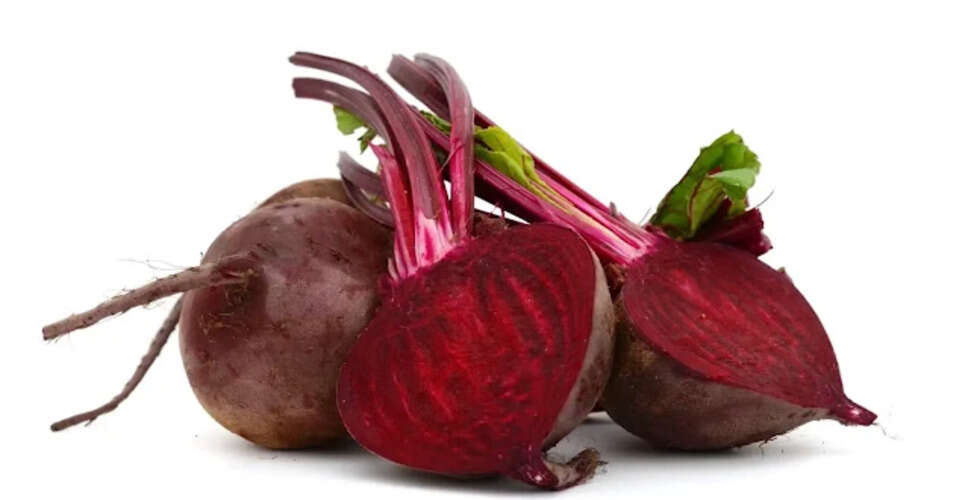
Ignoring the potential downsides of beetroot can have serious health implications. Excessive consumption may adversely affect the liver, kidneys, and blood pressure. Eating beetroot at the wrong time or on an empty stomach can lead to issues like gas, headaches, and allergies. Many individuals are overdosing on beetroot in hopes of increasing iron levels, which can disrupt the body's chemistry. Doctors caution that not every healthy food is suitable for everyone, and caution is essential.
Common Misconceptions About Beetroot
When discussing iron deficiency, beetroot is often the first food that comes to mind, especially among women and young people who frequently consume it as juice or in salads. However, it’s crucial to recognize that beetroot also has its drawbacks. What is considered beneficial for health can become harmful if consumed incorrectly or in excessive amounts.
Beetroot: Not a Blood Booster, But a Risk Factor
1. Understanding Iron Content: Many believe that beetroot is rich in iron and can combat anemia. The reality is that the iron in beetroot is limited and not easily absorbed by the body. Instead, iron from leafy greens and citrus fruits is more effective.
2. Overconsumption Increases Oxalate Levels: Beetroot contains high levels of oxalate, which can combine with calcium in the body to form kidney stones. Regularly consuming large amounts of beetroot can directly impact kidney health.
Warnings from Experts Regarding Beetroot
1. Dangerous for Low Blood Pressure: For those already dealing with low blood pressure, beetroot can be hazardous. It naturally lowers blood pressure, potentially leading to dizziness, weakness, or even fainting.
2. Impact on Liver: The high nitrate content in beetroot requires processing by the liver. Excessive nitrates can impair liver function and lead to inflammation.
3. Color Changes: Consuming too much beetroot may cause urine or stool to appear pink or red. While this is not dangerous, it can be alarming and may lead to ignoring other symptoms.
How to Consume Beetroot Safely
1. Limit Your Intake: Experts recommend consuming no more than half a cup of beetroot or its juice daily. Exceeding this amount increases the risk of adverse effects.
2. Avoid Eating on an Empty Stomach: Consuming beetroot first thing in the morning can lead to gas, indigestion, and bloating. It’s better to eat it with or after meals.
3. Pregnant Women Should Exercise Caution: Pregnant women may experience allergies or rapid drops in blood pressure due to beetroot's nitrates. It’s advisable to consult a doctor before consumption.
Preventing the Risks Associated with Beetroot
Boil beetroot to reduce oxalate levels. Opt for salads instead of juice to retain fiber and maintain a balanced diet. If you have kidney stones, low blood pressure, or liver issues, consult a doctor before consuming beetroot. Pay special attention to the quantity given to children and the elderly. Instead of daily consumption, consider having it 2-3 times a week.
Beetroot Has Benefits, But Balance is Key
It’s true that beetroot contains folic acid, fiber, vitamin C, and antioxidants, which provide numerous health benefits. However, treating it solely as a 'blood-boosting vegetable' and consuming it excessively can lead to negative consequences.
Knowledge is the best defense: The effects of any food depend on the right timing, quantity, and method of consumption. The risks associated with beetroot serve as a warning for those who consume it thoughtlessly every day. This article aims to inform rather than scare. Next time you add beetroot to your salad or juice, consider what you are truly providing your body—benefit or harm?