
The Health Benefits of Wearing Slippers Indoors
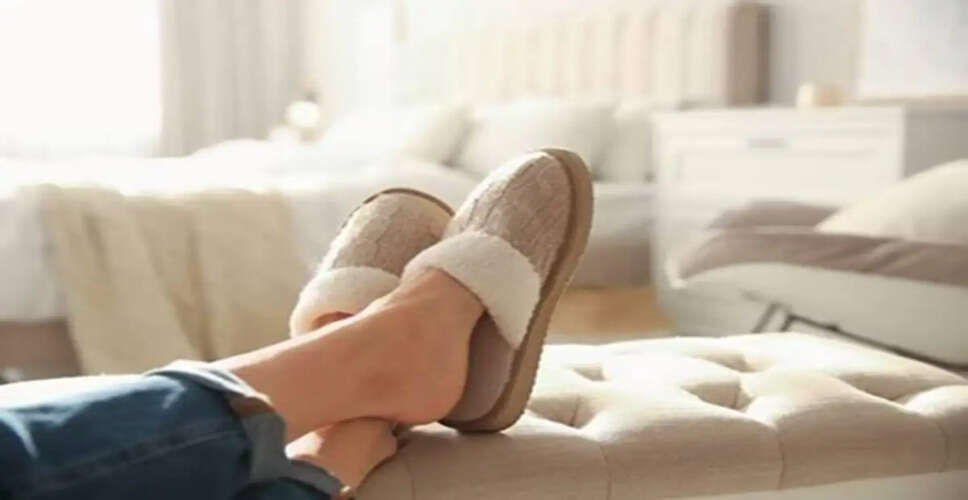

Understanding Indoor Slipper Use
In many Indian homes, the practice of wearing slippers inside is often discouraged, although this attitude is slowly changing. While some individuals still oppose this habit, others consider it from a health and hygiene perspective. This article delves into the potential health advantages of wearing slippers indoors.
Health Advantages of Indoor Slippers
**Defense Against Dirt and Germs**
Bringing outdoor footwear into the house can transfer dirt and germs from the ground to your feet. Wearing slippers indoors is an effective way to mitigate this risk.
**Alleviates Foot Discomfort**
Prolonged standing or walking on hard surfaces like tiles or wood can lead to foot pain, particularly in the soles. Slippers provide cushioning and support, acting as shock absorbers for your feet.
**Helps Maintain Body Temperature**
Your feet are essential for regulating your body's temperature. Standing barefoot on cold floors for too long can lead to a chill that affects your overall warmth, potentially increasing the likelihood of catching colds, especially for those with sinus sensitivities.
**Minimizes Injury Risks**
Walking without footwear indoors can heighten the chances of accidents, especially on slippery surfaces or if sharp objects are present. There’s also a risk of cuts from small, broken items scattered on the floor.
**Promotes a Clean Home Environment**
Wearing designated indoor slippers can significantly reduce the spread of dust and germs, helping to keep your living space clean and organized. Additional considerations include:
Walking barefoot may not be advisable for individuals with weak core strength.
Those with bunions, hammertoes, or heel pain should also refrain from going barefoot indoors.
However, for those without foot issues, walking without slippers can enhance balance, coordination, and foot strength.
PC Social Media