
The Health Benefits of Bottle Gourd: A Natural Remedy

Introduction to Bottle Gourd
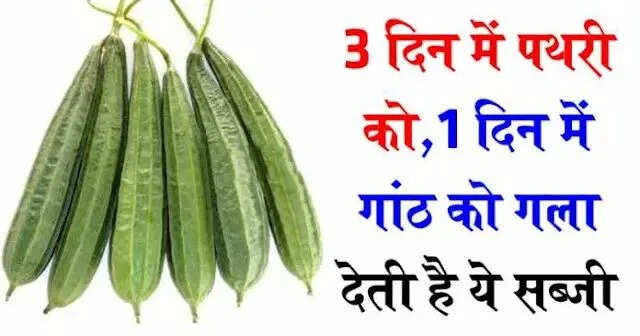
Bottle gourd, known as 'tori' in India, is a widely cultivated vegetable across the country. It is often compared to the nutritious 'nenue' and is particularly popular during the monsoon season due to its cooling properties.
Medicinal Uses of Bottle Gourd
For kidney stones, consuming a mixture of bottle gourd vine with cow's milk or cold water for three consecutive mornings can help dissolve stones.
To treat boils, applying a paste made from the roots of bottle gourd mixed with cold water can reduce the size of the boil within a day.
For skin rashes, applying a mixture of bottle gourd vine with cow's butter two to three times can provide relief.
Eating bottle gourd can alleviate constipation, which in turn helps in treating hemorrhoids.
Bottle gourd is also beneficial for urinary tract issues, helping to relieve burning sensations during urination.
Eye and Hair Health
In cases of eye irritation, extracting juice from fresh bottle gourd leaves and applying two to three drops in the eyes several times a day can be beneficial.
To darken hair, drying and grinding bottle gourd pieces, then mixing them with coconut oil and boiling the mixture can create an effective hair oil.
Additional Health Benefits
Consuming bottle gourd can help with constipation and provide relief from hemorrhoids. Cooking eggplant in the water used to boil bitter bottle gourd and consuming it with ghee and jaggery can alleviate pain from hemorrhoids.
For gynecological issues, mixing bitter bottle gourd juice with sour yogurt can be helpful.
In cases of arthritis, incorporating vegetables like spinach, fenugreek, and bottle gourd into the diet can relieve knee pain.
For jaundice, instilling a few drops of bitter bottle gourd juice in the nose can help eliminate the yellow discharge within a day.
For skin diseases like leprosy, applying a paste made from bottle gourd leaves can be effective.
Cautions and Side Effects
While bottle gourd has numerous health benefits, excessive consumption can lead to the production of excess 'kapha' and 'vata', which may be harmful. It is also heavy on the stomach and can cause digestive issues, especially during the rainy season.