
The Healing Power of Ghee: An Ayurvedic Perspective
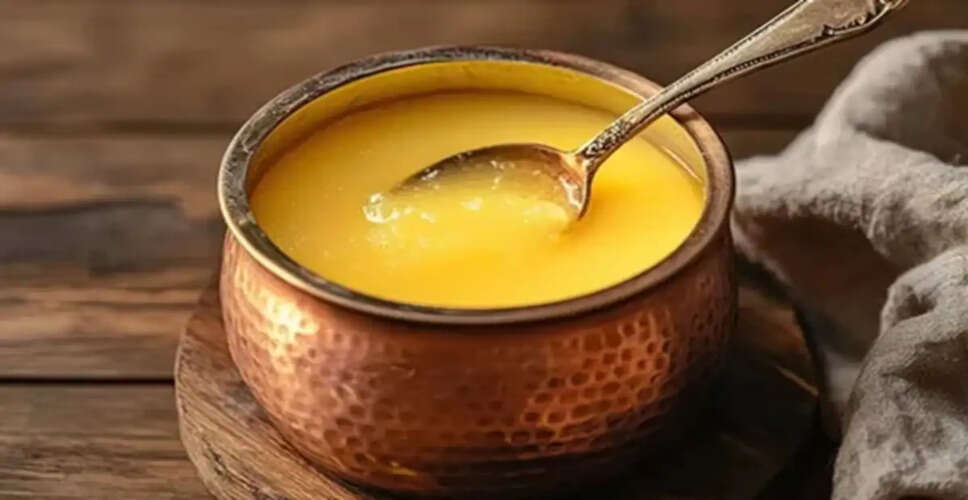

Understanding Ghee in Ayurveda
Ayurvedic literature identifies four primary types of oily substances utilized for therapeutic applications: ghee, oils, and fats sourced from animal muscle and bone marrow. Among these, ghee is revered for its exceptional ability to absorb the qualities of herbs and foods while maintaining its own unique characteristics.
Historical Significance and Varieties of Ghee
According to Dr. R. Vatsyayan, an Ayurvedic expert from Ludhiana, ghee is known in Sanskrit as *Ghritam* and *Sarpi*. For centuries, it has been a staple in Vedic rituals and a common ingredient in Indian households. Besides ghee made from cow and buffalo milk, varieties from goat, camel, and mare milk are also recognized in Ayurvedic practices.
Nutritional Benefits of Ghee
**Nutritional Advantages of Ghee**
Sushruta, an ancient Ayurvedic scholar, described ghee as sweet, mild, cooling, and light, effective in balancing aggravated *Vata* and *Pitta* doshas. Experts in Ayurveda highlight its palatability and its potential to enhance memory, intelligence, skin health, and overall softness.
Ayurvedic texts assert that cow's ghee nourishes the body's seven types of tissues (*Dhatus*), including digestive fluids, blood, muscle, fat, bone, marrow, and reproductive tissues. It is viewed as a rejuvenating agent and is considered superior among oily substances.
Therapeutic Uses of Ghee
Ghee serves as a laxative and is beneficial for various health issues, including epilepsy, mental health disorders, chemical toxicity, and headaches, including migraines.
**Ghee Therapy: A Holistic Approach**
Ghee can be applied both externally and internally for healing purposes. Classical texts refer to '*Ghrita Chikitsa*' (Ghee Therapy), which involves using different types of medicated ghee. This method entails cooking selected herbs in pure ghee, allowing it to absorb the active compounds from the herbs.
Age and Efficacy of Ghee
References indicate that the properties of ghee can vary with age. Ghee that has been aged for a year is deemed most effective for external applications. *Kumbha Ghrita* and *Mahaghrita*, aged between 11 and 100 years, are noted for their efficacy in treating certain chronic diseases.
In Ayurvedic therapy known as *Panchakarma*, ghee is utilized in the initial oil application stage. Massaging with ghee is particularly beneficial for frail individuals, as it nourishes tissues and enhances blood circulation.
Ghee in Nasal and Ocular Treatments
Administering a few drops of warm ghee into the nostrils for 10 to 15 days can alleviate migraines, chronic sinusitis, and respiratory allergies. Another *Panchakarma* treatment, *Akshi-tarpana*, involves immersing the eyes in fresh, melted ghee for a few minutes to address eye disorders.
Controversies Surrounding Ghee
**Conflicting Opinions on Ghee**
There exists a notable contrast between Ayurvedic and contemporary medical views regarding ghee's impact on health. While some studies indicate a reduction in triglyceride levels among patients consuming ghee during *Panchakarma*, misconceptions and fears about its safety persist among the public.
Ayurveda advocates for moderation in ghee consumption, and a collaborative study involving both medical disciplines is essential to fully understand ghee's benefits and potential drawbacks on the body's systems.
Ayurvedic Formulations Utilizing Ghee
**Notable Ayurvedic Remedies with Ghee**
Some classical Ayurvedic formulations that incorporate ghee include:
- Arjuna Ghrita – for heart conditions
- Panchatikta Ghrita – for psoriasis
- Brahmi Ghrita and Kalyana Ghrita – for mental health issues
- Triphala Ghrita – for eye disorders
- Shatavari Ghrita – for gynecological concerns
- Indukanta Ghrita – for gastrointestinal issues
- Phala Ghrita – for infertility and pregnancy-related matters
- Ashwagandha Ghrita – to support the nervous system