
The Evolving Tradition of Husbands Observing Karwa Chauth Fast
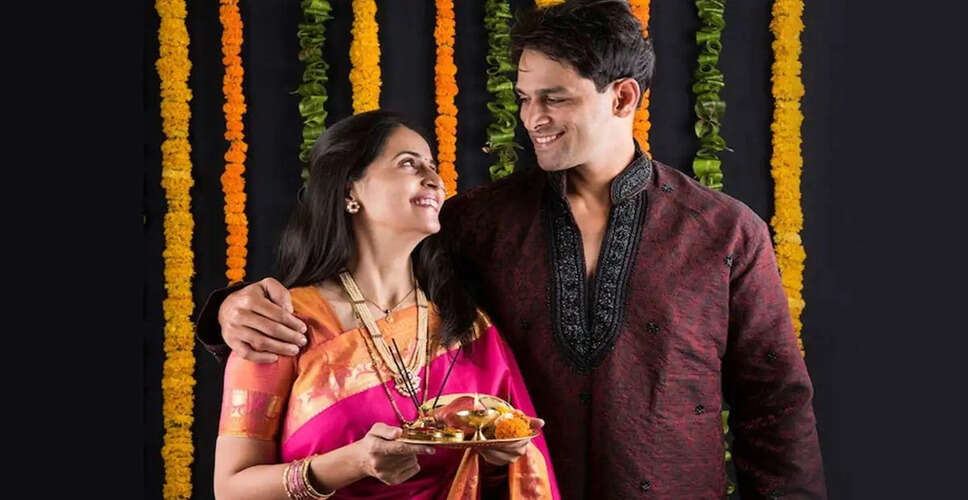

The Trend of Husbands Participating in Karwa Chauth
Understanding the Shift: When one thinks of Karwa Chauth, the image of women fasting in traditional attire often comes to mind. However, a growing number of husbands are now choosing to fast alongside their wives. Some men opt to abstain from food and water throughout the day as a gesture of solidarity, while others partake in the evening rituals, waiting for the moon to rise together. This practice has emerged as a symbol of love and equality in modern relationships.
The Origins of Husbands Fasting

Determining the exact origins of this trend is challenging, as it appears to be influenced by various factors, including changing societal attitudes and a desire for shared experiences during the festival.
Historical Context of the Tradition
Historical Significance:
Traditionally, Karwa Chauth is a day when married women fast to pray for their husbands' longevity and health. This festival is predominantly celebrated in North Indian states like Punjab, Haryana, Rajasthan, and Uttar Pradesh. Recently, some husbands have begun to observe the fast for their wives, wishing for their well-being. However, there is no clear historical documentation pinpointing when this practice began, making it difficult to attribute it to a specific individual or location.
Reasons Behind Husbands Fasting
Modern Perspectives:
Many couples today prefer to share the observance of Karwa Chauth, viewing it as a mutual expression of love and respect. When a wife fasts, her husband may choose to join her, enhancing their bond. Together, they may perform the rituals, wait for the moon, and break their fast in each other's company. This approach transforms the festival from a mere religious observance into a cherished opportunity for quality time together. A recent report highlighted this evolving tradition, noting that in some regions, husbands are increasingly participating in the fast.
Is Fasting Mandatory for Husbands?
Flexibility in Tradition:
While the Karwa Chauth fast has historically been associated with women, it is not obligatory for husbands. If a husband chooses to fast out of personal conviction, many families embrace this decision. The rituals and customs surrounding the fast can differ among families and regions, allowing couples to celebrate the festival in a manner that aligns with their beliefs and preferences.
Health Considerations
Before deciding to fast, it is crucial to consider one's health. Individuals with medical conditions or those on regular medication should consult a healthcare professional rather than hastily committing to a waterless fast.
A Shift in Relationship Dynamics
Changing Perspectives:
A husband fasting for his wife signifies a shift towards shared participation in relationships. While Karwa Chauth has traditionally focused on the wife's devotion, many couples now see it as an opportunity to honor each other's feelings and commitments.

However, this does not mean that every husband must fast or that all couples should celebrate the festival in the same manner. There are numerous ways to demonstrate love and respect in a relationship—some may choose to fast, while others might support their partner throughout the day or participate in the rituals together.
Conclusion
PC Social Media