
The Evolution of Menstrual Care: Emphasizing Skin Safety and Comfort
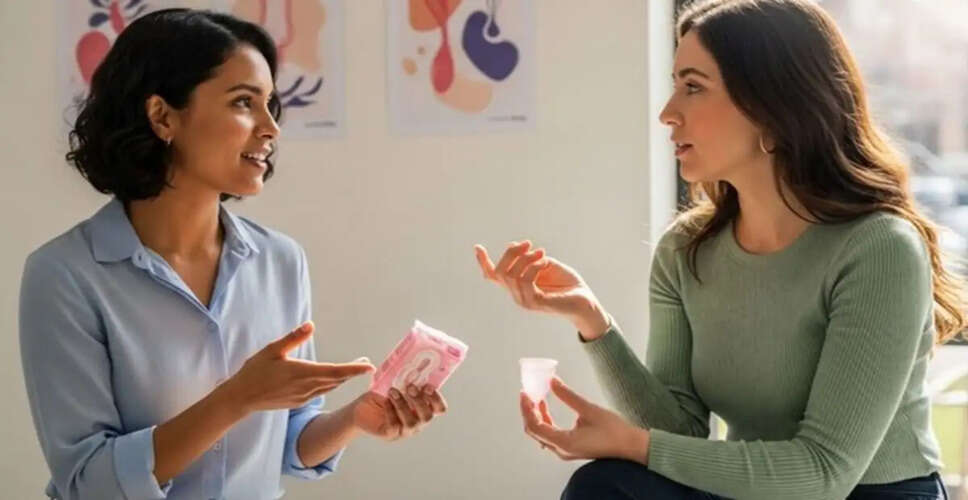

Understanding Modern Menstrual Care
Menstrual hygiene for women has evolved beyond merely preventing leaks or providing protection. Gynecologists emphasize that the ingredients in menstrual hygiene products are crucial, as these items are in contact with a woman's skin for extended periods.
Experts in the medical field have observed a significant rise in the demand for sanitary pads that are dermatologically tested, crafted from breathable materials, and devoid of artificial fragrances. Furthermore, products infused with botanical elements are gaining traction among women, offering unique advantages.
Dr. Alpana Kansal, President of the Indian Medical Association (IMA) in Ghaziabad, highlights that women spend about a quarter of their reproductive years menstruating. Thus, it is vital to select sanitary pads that not only provide excellent absorbency but are also safe and comfortable for the skin. Pads made from breathable materials and enriched with skin-friendly components like Moringa can enhance comfort during extended use. Nonetheless, it remains essential to change pads regularly and uphold proper menstrual hygiene. Recently, the incorporation of *Moringa oleifera* (drumstick) extract in sanitary pads has become a notable trend, as Moringa has been valued in Ayurveda for its rich content of vitamins, antioxidants, and beneficial plant compounds.
A review published in *Frontiers in Pharmacology* in 2024 indicates that Moringa is packed with carotenoids, tocopherols, flavonoids, phenolic acids, and various vitamins, showcasing its antioxidant, anti-inflammatory, and antimicrobial properties.
While Moringa was traditionally utilized as a dietary supplement, some manufacturers are now integrating it into the top layer of sanitary pads to enhance absorbency while providing better skin care.
**Hygiene Remains Paramount**
Medical professionals assert that no specific ingredient or natural component can replace the importance of good menstrual hygiene. "While products with plant-based ingredients may provide additional comfort, timely pad changes, personal hygiene maintenance, and consulting a healthcare provider for persistent irritation or unusual symptoms are the most critical aspects of menstrual health."
**Growing Preference for Breathable and Unscented Pads**
Experts note that contemporary women are leaning towards breathable sanitary pads that reduce heat and moisture sensations, particularly during warm weather or physical activities.
Moreover, unscented sanitary pads are becoming increasingly popular, as scented options can lead to skin irritation or allergic reactions for many women.
Dr. Richa Singhal, a senior obstetrician and gynecologist at Cloudnine Hospital in Delhi, remarked:
"Women are becoming more aware of the ingredients in personal care products." Rather than focusing solely on the size or absorbency of pads, it is essential to read labels. Pads that are dermatologically tested, made from high-quality materials, contain ingredients like Moringa, feature a breathable design, and are free from unnecessary fragrances can help minimize discomfort for women with sensitive skin.
She also advised against using harsh soaps for intimate area cleansing, recommending only products specifically designed to maintain the natural pH balance of the external intimate area.
A Move Towards Transparency and Awareness
Health professionals believe that the increasing demand for transparency regarding the ingredients in menstrual care products signifies a change in women's attitudes. Consumers now prioritize skin safety, comfort, and health equally with product performance.
Experts anticipate further innovations in menstrual products featuring plant-based and skin-friendly ingredients in the future. However, they stress that choosing products based on accurate information and maintaining good menstrual hygiene are the foundational elements for a healthy menstrual experience.