
The Disturbing Message Behind Influencer Advice on Masculinity
Influencer's Harmful Advice Raises Concerns
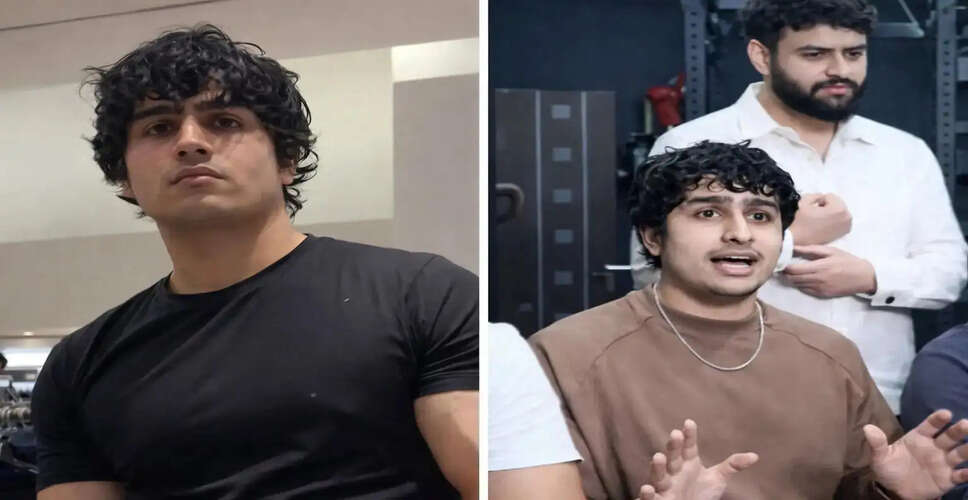
Recently, influencer Nakul Dhull received a message from a young follower expressing his insecurities about his looks and his fear of approaching girls. The boy sought encouragement and tips for building confidence. However, Nakul's response was alarming and should raise serious concerns. He suggested, “Arre inse darne ki zarurat nahi hai, 11 baje inko follow karo, chedna mat bas follow karo, peeche chalo, phir tez tez inke peeche bhaago aur inko bhaagte bhaagte overtake karlo, inka m**t ussi mein nikal jata hai.” This advice essentially encouraged the boy to stalk a woman at night, implying that frightening her would somehow empower him. This is not a joke; it is a blatant endorsement of intimidation.
For many Indian women, being followed at night is a terrifying reality. It involves the anxiety of hearing footsteps behind them, making nervous phone calls for safety, and constantly assessing escape routes. Many families restrict their daughters from being out late due to this pervasive fear. When they do venture out, whether for work or emergencies, the anxiety is palpable, with parents often staying awake and tracking their movements. Telling young boys that they can use this fear as a tool for confidence is deeply troubling. It teaches them that intimidation is a means to feel powerful, which is a dangerous lesson.
When a popular influencer suggests that scaring women is a way to combat insecurity, it normalizes harassment and trivializes the fear women experience. It transforms a woman's instinct to survive into a man's ego boost. The implications of such advice extend beyond a single incident. Young boys look up to influencers and often mimic their behavior, language, and style. When harmful advice is presented casually, it becomes ingrained in their minds as acceptable conduct. Phrases like “It’s just a prank” or “I didn’t touch her” blur the lines between intimidation and violence in a society already grappling with women's safety.
Imagine a scenario where insecure boys believe that frightening women equates to empowerment. Picture countless girls walking home, each confronted by men who find their fear amusing. In those moments, women are left to grapple with terrifying possibilities: What if he attacks me? What if there are more of them? What if I can’t escape? While the man may feel victorious as he walks past, the woman is left with lingering fear that constricts her world further.
The broader question remains: why is masculinity still defined by diminishing women? Why should one derive strength from another's fear? Influencers wield significant power over their audiences, and when they trivialize harassment, they do more than make a poor joke; they influence perceptions. Women's safety is not a game for men to play; it is a serious issue that deserves respect and understanding, not mockery or exploitation.