
The Dangers of Shaking Infants: Expert Advice on Soothing Techniques

Understanding the Risks of Shaking Infants
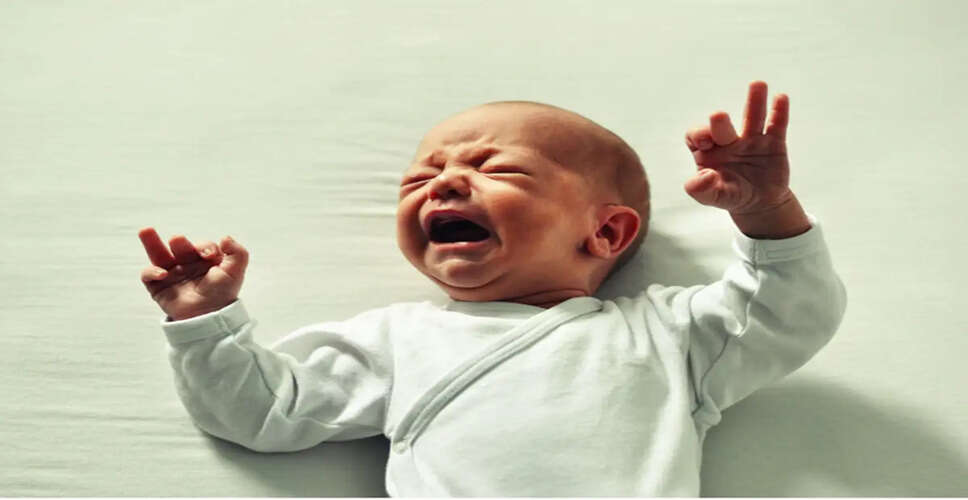
Parents and caregivers often resort to bouncing or shaking a crying infant in an attempt to calm them. However, this approach can pose significant health risks to the child.
Infants are incredibly fragile, necessitating careful handling when attempting to soothe them. Pediatrician Dr. Kinshuki Sharma provides crucial insights on this matter.
The Dangers of Shaken Baby Syndrome
Why is shaking an infant's head dangerous?
Dr. Kinshuki Sharma elaborates on the condition known as "Shaken Baby Syndrome." This serious ailment occurs when an infant is shaken forcefully. The doctor emphasizes that even a brief period of vigorous shaking can result in brain damage.
The reason for this is that an infant's brain is particularly vulnerable; when shaken, it can move within the skull, leading to severe injuries, including brain trauma, internal bleeding, vision loss, spinal damage, and in extreme cases, death. Alarmingly, these injuries are often not visible externally, meaning parents might be unaware of the harm done. Medical professionals recommend alternative, safer methods for calming a crying baby.
Safer Alternatives for Soothing a Crying Baby
How should parents soothe a crying baby?
When faced with a crying baby, parents should remain calm and avoid the urge to shake them. Instead, they should place the baby in a secure location and take a moment for themselves, ideally asking another adult to assist. This can help alleviate parental stress and frustration. It's crucial to remember that shaking a baby, even playfully, is never acceptable. If the baby continues to cry, consulting a healthcare professional is advisable. Importantly, gentle rocking is a safe alternative and does not lead to Shaken Baby Syndrome.
Conclusion
PC Social Media