
The Cultural Significance of Vermilion in Chhath Festival Celebrations

Understanding the Traditions of Chhath Festival
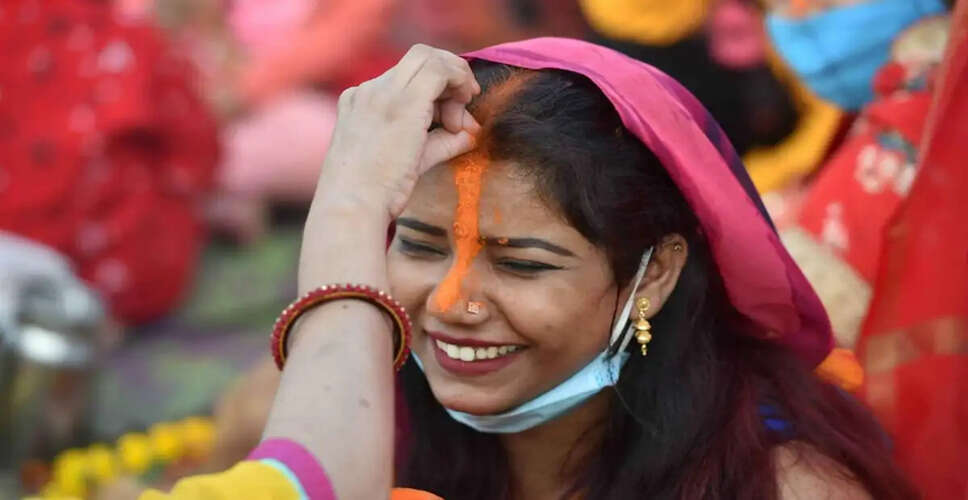
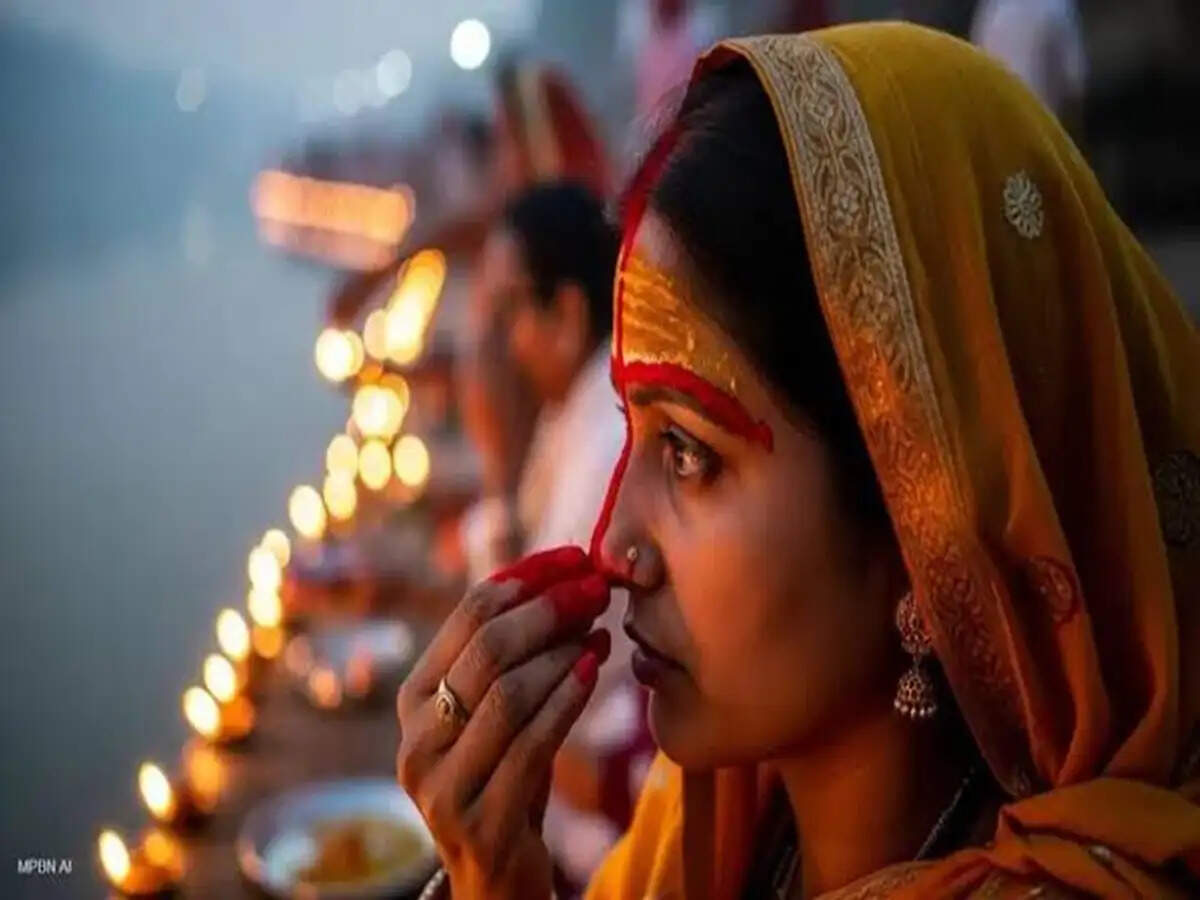
During the vibrant Chhath festival, the reverence for the Sun God (Surya Dev) and Chhathi Maiya is marked by various customs that are rich in cultural and spiritual meaning. A notable custom involves the way women who are fasting adorn themselves. Married women traditionally apply a distinctive long streak of orange vermilion (*sindoor*) that stretches from the tip of their nose to their hairline (*maang*). This unique application method, which stands apart from everyday practices, is deeply rooted in beliefs surrounding marital happiness, the longevity of husbands, and family prosperity.
Festival Timeline and Observances
As per astrologer Anand Bhardwaj from Ujjain, the Chhath festival commences today, Friday, November 13, 2026, and spans four days, concluding on Monday, November 16, with the offering of *arghya* (libations) to the rising Sun. During this period, women engage in a strict fast, praying for their children's welfare, family safety, and their husbands' long lives.
The Meaning Behind the Vermilion Application
What is the significance behind applying vermilion from the nose to the hairline?
In Chhath Puja, the *solah shringar* (sixteen traditional adornments) is of great importance. Women participating in the fast don traditional clothing, apply *mehndi* (henna), and wear bangles along with vermilion. The method of applying vermilion during this festival is distinctive; in various regions, women create a continuous line of vermilion from the nose to the hairline. This practice symbolizes a prayer for a lifelong marital bond and the longevity of their husbands. It is believed that a longer streak of vermilion reflects greater devotion and dedication in their prayers for marital well-being, happiness, and family protection against challenges.
The Connection Between Vermilion and Sun Worship
What is the connection between orange vermilion and the worship of the Sun?
Orange or deep saffron vermilion is particularly significant during Chhath Puja. In Hindu culture, this color symbolizes energy, enthusiasm, purity, and auspiciousness. The Sun God is viewed as the source of life, light, and energy. During Chhath, the Sun is honored with *arghya* (libations) at both sunset and sunrise, linking the orange *sindoor* to the Sun's radiance and positive energy.
Sindoor: A Symbol of Faith and Devotion
*Sindoor*: More than just an adornment—a symbol of faith
For women observing the Chhath fast, *sindoor* transcends mere decoration; it embodies their religious faith, love, and commitment to family. By undertaking a *nirjala* (waterless) fast, these women pray to the Sun God and Chhathi Maiya for their families' happiness and peace, as well as for a prosperous future for their children. In regions like Bihar, Jharkhand, and eastern Uttar Pradesh, the tradition of applying *sindoor* in a long line from the hairline to the nose has been passed down through generations, making it a vital aspect of both religious devotion and cultural identity.
Conclusion
PC Social Media