
The Cultural Significance of Chabutras in Traditional Indian Homes

Understanding the Chabutra
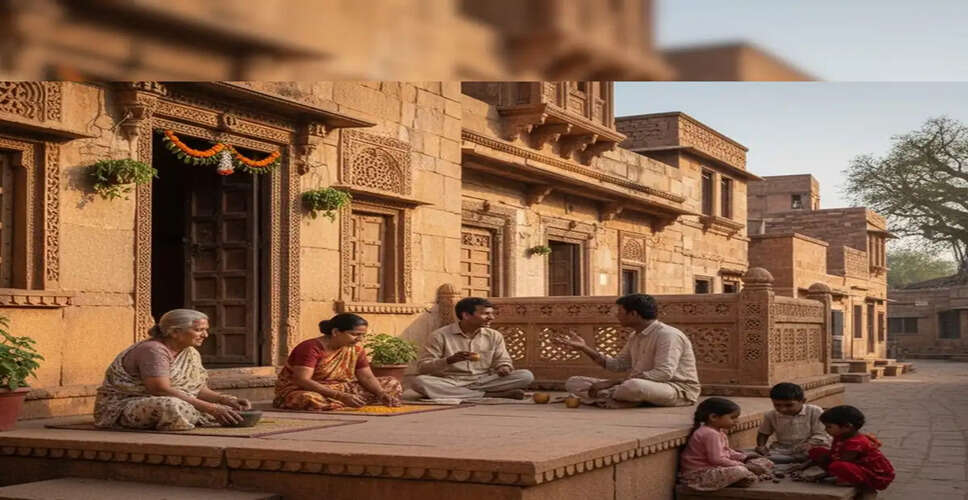
Chabutras in Old Indian Homes: Have you ever observed the elevated platforms outside traditional village houses? While such features are uncommon in contemporary architecture, they were once a staple in nearly every home. Known as *chabutras*, these platforms served purposes beyond mere seating. They were thoughtfully designed to enhance security, ensure family privacy, foster social connections, and meet daily needs.
Although the prevalence of these platforms has diminished due to evolving lifestyles and modern building techniques, the underlying philosophy remains relevant. This is why the *chabutra* is often referenced in discussions about traditional Indian homes. Let's delve into the reasons our ancestors deemed it essential and what made it so unique.
A Hub for Social Interaction
A Gathering Place:
In today's world, we rely on smartphones and social media for communication, but in earlier times, the *chabutra* was the primary venue for socializing. As dusk approached, villagers, including elders, neighbors, and children, would congregate there. They would share stories, discuss farming, or engage in village matters. Thus, the *chabutra* transcended its physical structure; it became the heart of community life, nurturing bonds and trust among residents.
Maintaining Household Privacy
1. Welcoming Guests with Care:
In the past, privacy within the home was of utmost importance. Guests or outsiders were seated on the *chabutra* instead of being invited inside, ensuring that family members, particularly women, felt at ease. This arrangement allowed household chores to proceed without disruption, aligning seamlessly with the social dynamics of the time.
2. A Practical Space for Daily Tasks:
The *chabutra* was an invaluable area for women, as many household activities were conducted outdoors. Women would sit on the platform to clean grains, chop vegetables, sort lentils, and sun-dry *papads* or pickles. It also provided a cozy spot to soak up the winter sun while engaging in conversation with neighbors, fostering warmth and camaraderie.
3. Shielding from the Elements:
The elevated design of the *chabutra* served a practical purpose in traditional homes. During the rainy season, it prevented water from flowing directly into the house, keeping floors dry and simplifying cleaning. Additionally, it helped keep dust and mud at bay, which was particularly beneficial in an era without paved roads or modern drainage systems.
4. Guarding Against Pests:
Being raised above ground level, the *chabutra* acted as a barrier against small insects and pests. This was especially advantageous during the monsoon season. While modern construction methods exist today, the *chabutra* provided a natural means of enhancing home protection in its time.
The Decline of the Chabutra
Changing Lifestyles:
The *chabutra* has gradually faded from use due to urban space limitations, the rise of multi-story buildings, and modern architectural trends. Nowadays, homeowners often prioritize parking, gardens, or porches over open areas outside their residences.
Nevertheless, such platforms can still be found in numerous villages and historic towns, where they continue to uphold the tradition of social interaction and communal gathering. The *chabutra* is not just a construction style; it symbolizes Indian social life and family culture.
The Lasting Legacy of the Chabutra
Why It Remains Significant:
Experts assert that traditional Indian homes were designed with practicality in mind, with each element serving a specific purpose. The *chabutra* exemplifies this philosophy. It was a simple yet effective feature that reinforced social ties, maintained household privacy, facilitated daily chores, and offered protection from the elements. Thus, even today, discussions about traditional Indian architecture invariably highlight the importance of the *chabutra* situated outside the home.
Conclusion
PC Social Media