
The Cultural Significance and Benefits of Wearing Anklets
Understanding the Importance of Anklets
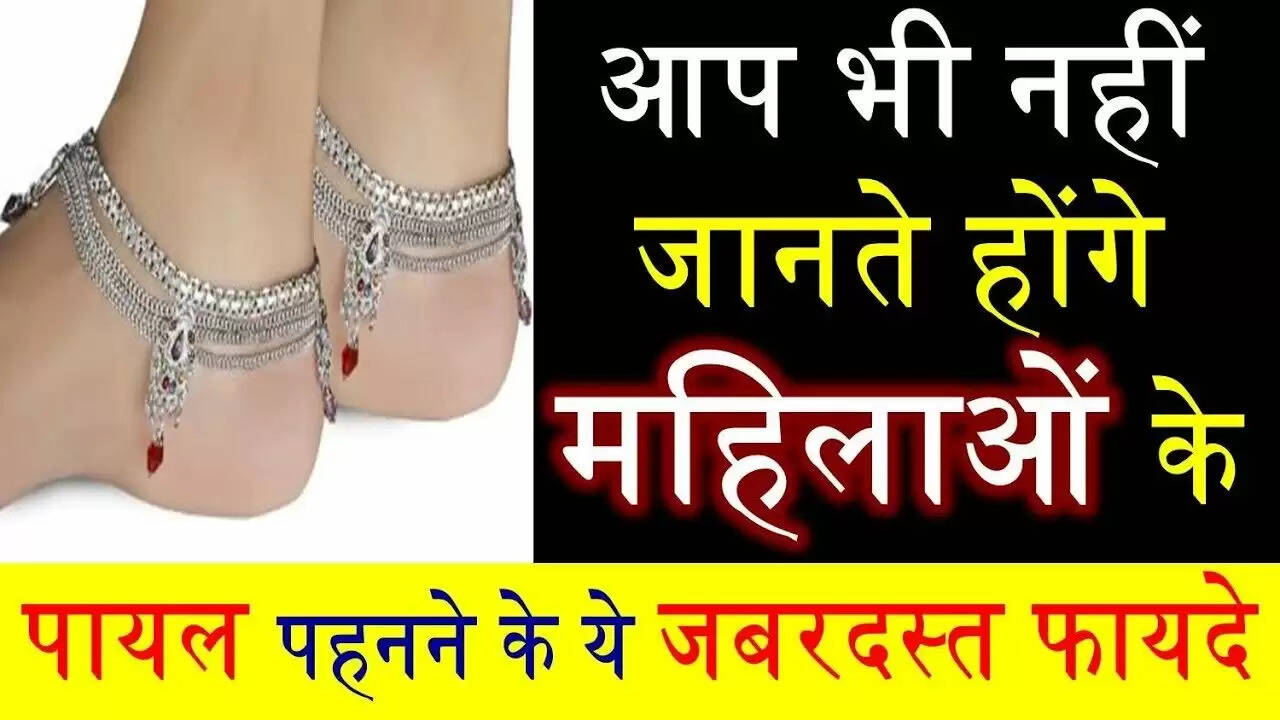
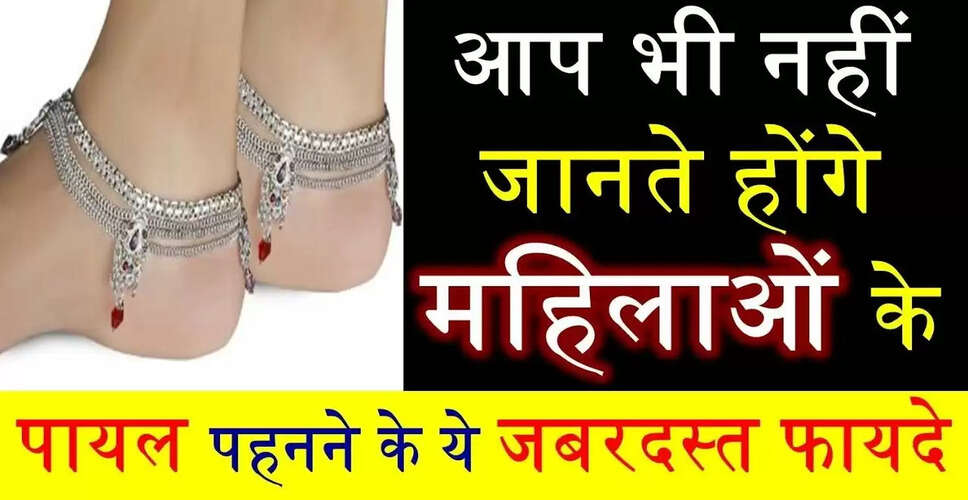
Anklets, recognized as one of the sixteen adornments, not only enhance the beauty of the feet but also offer various health benefits. According to Vastu Shastra, wearing anklets is considered auspicious, as their sound is believed to dispel negative energies. Historically, anklets have held special significance for women, serving as indicators of their movement.
In addition to beautifying the feet, anklets provide physical benefits to women. When women wear silver or gold anklets, the friction from movement can strengthen their bones. However, it is recommended to wear silver anklets, as gold is traditionally not worn on the feet. Gold is considered more auspicious when worn on the hands or around the neck.
Silver is a cool metal, and Ayurveda suggests that the head should be cool while the feet remain warm. Therefore, gold is worn on the upper body, while silver adorns the feet, balancing the body's temperature by allowing warm energy from the head to flow down and cool energy from the feet to rise.
In Hindu beliefs, wearing anklets is seen as highly auspicious. Vastu Shastra also states that the sound of anklets can reduce negative energies in the home and activate divine energies, making it essential to wear them to ward off negativity.
The tradition of women wearing anklets has persisted for centuries. It is said that the sound of anklets alerts men in the household to the approach of a woman, allowing them to be prepared for her arrival.
The sound of anklets can help men avoid uncomfortable situations. In earlier times, women had limited freedom to move about their husbands' homes and often could not speak openly. The sound of anklets would inform family members of a woman's presence or departure without her needing to announce it.
Even in modern times, women and unmarried girls continue to wear anklets, keeping this tradition alive. Many young women wear anklets as a fashion statement, sometimes opting for just one on a single foot.