
The Culinary Journey of Sumito Estévez: From Punjab to Venezuela
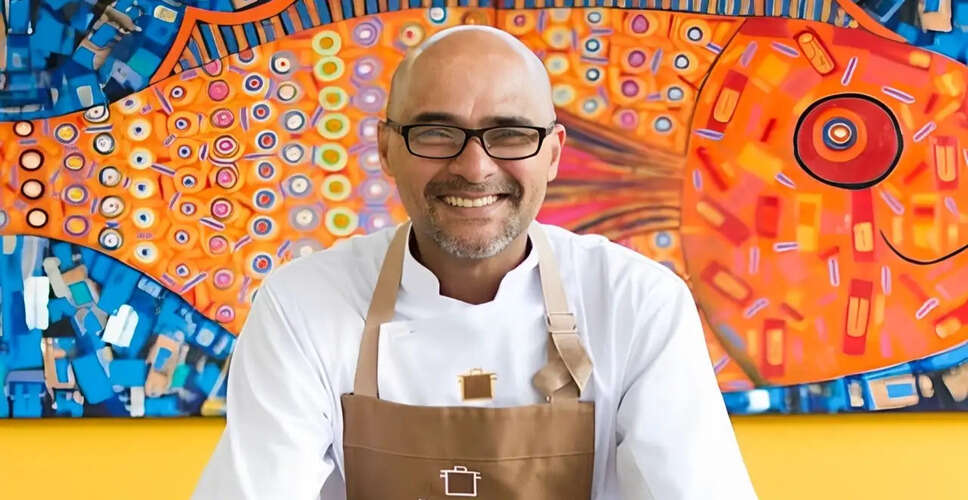

A Flavorful Beginning in the Andes
It all started with a captivating aroma. In a chilly home nestled in the Venezuelan Andes, a woman from Punjab stood by a pot filled with spices, while a young boy eagerly awaited at her side. Unbeknownst to him, this kitchen would serve as the foundation of his education. This boy was Sumito Estévez, who would later rise to prominence as one of Venezuela's most renowned chefs. His mother, Anú Singh, brought flavors from India that would profoundly influence the culinary landscape of Venezuela.
The Punjabi Influence on a Venezuelan Chef
The Punjabi Mother Behind a Venezuelan Icon
Born in 1965 in Mérida, a city perched high in the Andes, Sumito Estévez was the son of a Venezuelan father and an Indian mother. His father, Raúl Estévez, was a distinguished physicist with an impressive academic background, while his mother, Anusuya Singh, known as Anú, was part of the small Indian community that migrated to Venezuela during the oil boom. Their household blended scientific rigor with the rich flavors of Indian cuisine, with Anú being the primary influence on Sumito's culinary aspirations.
Growing Up with Indian Flavors
A Boy Raised on Indian Flavours in the Andes
Interestingly, the future champion of Venezuelan cuisine did not initially identify with the local culinary traditions. Living in Mérida, far from the Caribbean coast, his earliest food memories were shaped by his mother's Indian cooking. Raised predominantly by her, he initially found it challenging to connect with Venezuelan flavors. It wasn't until later that he began to explore local markets and ingredients, ultimately developing a deep appreciation for the cuisine he would later promote.
A Culinary Icon Emerges
Becoming One of Venezuela's Most Celebrated Chefs
Sumito's transformation into a culinary icon was remarkable. He became a chef, educator, author, and media personality, gaining recognition as one of Venezuela's most beloved figures. Alongside chef Héctor Romero, he established the Instituto Culinario de Caracas, nurturing a new generation of chefs. He brought Venezuelan cuisine to the forefront through television, radio, and print, inspiring families to take pride in their culinary heritage. In 2005, he published 'La Cocina de Sumito,' a monumental collection of Venezuelan recipes, solidifying his status as a culinary ambassador.
Cultural Connections Through Cuisine
The Improbable Bridge Between Punjab and Caracas
The story of Sumito Estévez is a testament to the power of cultural exchange. The Indian community in Venezuela has always been small, primarily consisting of Sindhi and Punjabi traders who arrived during the oil boom. From this modest community emerged a child who would not only embrace his heritage but also become a beloved figure in Venezuelan gastronomy. His journey illustrates how a Punjabi mother's cooking can profoundly influence a Venezuelan boy, creating a unique culinary bridge between two cultures.
The Legacy of a Mother's Kitchen
What a Mother's Kitchen Really Passes On
Taste is a powerful inheritance. Long before Sumito Estévez envisioned a career in cooking, his mother imparted lessons through her food. The Punjabi flavors from Anú Singh's kitchen did not confine him to Indian cuisine; instead, they ignited his curiosity about spices and the stories food can tell. This curiosity later fueled his exploration of Venezuelan cuisine. The next time a dish captivates you, consider the kitchen that inspired the cook. For Sumito, the answer lies in a kitchen that crossed oceans and left an indelible mark on his culinary journey.