
The Cocaine Hippos: A Growing Environmental Challenge in Colombia

The Legacy of Pablo Escobar's Hippos
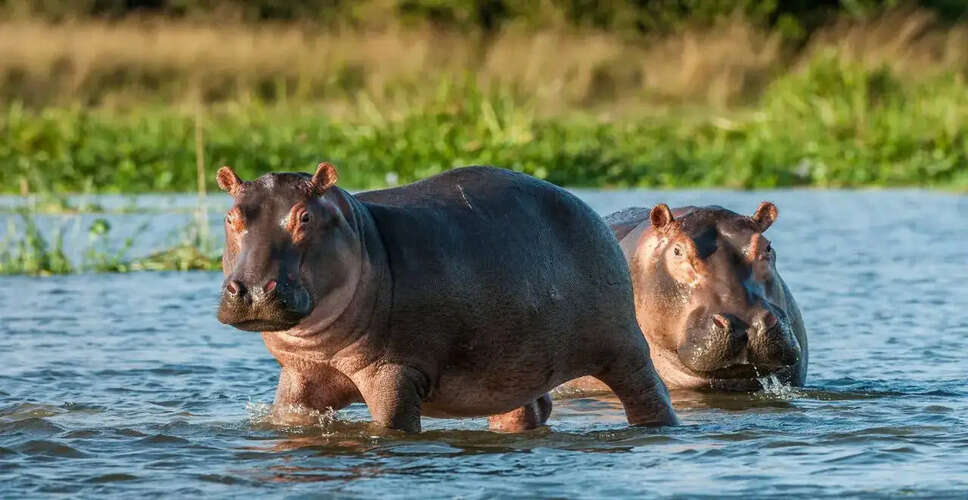
Pablo Escobar, the notorious Colombian drug lord, met his end in 1993. Following his demise, many of the exotic animals he had brought to his estate were either moved to zoos or perished. Among these were llamas, cheetahs, lions, tigers, ostriches, and other rare species. However, four hippos remained behind, as officials deemed them too hazardous to capture and relocate. Over time, these hippos adapted to their surroundings and began to breed. Presently, it is estimated that around 200 hippos, descendants of Escobar's original group, are now living freely in Colombia. If their population continues to grow unchecked, it could surpass 1,000 by 2035. These hippos have since been dubbed the 'cocaine hippos'.
Initially residing on Escobar's expansive estate, Hacienda Nápoles, during the 1980s, these hippos have transformed from symbols of opulence to a significant environmental concern. The rapid and largely uncontrolled increase in their numbers poses a threat to the fragile ecosystems and waterways of the region.
Efforts to manage the hippo population have included attempts at sterilization, but these initiatives have faced challenges due to the size and danger posed by the animals, as well as the financial implications involved. Humberto Basilio, in an article for Scientific American, notes, “The animals’ large size also alters river systems and pollutes the water with waste, depleting its oxygen and overloading it with nutrients. This can kill fish and plants and affect communities that depend on these waterways. Hippos have also caused traffic accidents and attacked people and boats in recent years.”
In light of the escalating issue, the Colombian government has revealed plans to euthanize 80 of the estimated 169 hippos, aiming to control their population and mitigate further environmental harm.