
The Best Times to Enjoy Sweets for Better Health
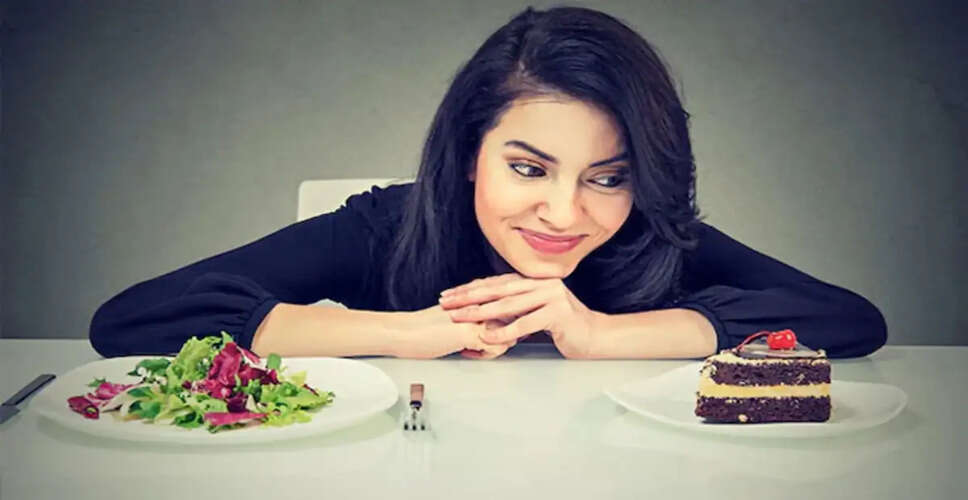

Understanding Sweet Consumption
Sweets, cakes, chocolates, and other sugary delights are essential for celebrating special moments. However, health experts emphasize that not only the quantity of sweets consumed matters, but also the timing of their intake. Eating sweets at inappropriate times can lead to a quick rise in blood sugar levels, potentially resulting in weight gain over time.
Why Avoid Sweets on an Empty Stomach?
**Why is eating sweets on an empty stomach not recommended?**
Many individuals indulge in biscuits or sugary snacks with their morning tea right after waking up. Experts warn that consuming sweets on an empty stomach can cause sugar to rapidly enter the bloodstream, leading to a sudden spike in blood sugar levels. This spike is often followed by a sharp decline, which can trigger premature hunger, fatigue, and increased cravings for more sweets.
The Benefits of Eating Sweets After Meals
**Why is eating sweets after a meal a better option?**
When sweets are enjoyed in moderation after a main meal, the body can digest them more efficiently. The presence of fiber and protein in foods like lentils, roti, vegetables, and salads helps slow down sugar absorption. This approach minimizes the risk of a sudden blood sugar spike and reduces stress on the body, which is why experts advocate for a small sweet treat post-meal.
Risks of Nighttime Sugar Consumption
**Consuming too much sugar at night can lead to problems**
Health professionals advise against excessive sugar intake at night. Since the body is at rest during this time, it is less capable of processing surplus sugar and calories, which can heighten the risk of weight gain, blood sugar fluctuations, and future metabolic complications.
Daytime Sweet Treats Are Preferable
**Eating sweets during the day may be better**
If you crave sweets, having a small portion after lunch is a more favorable choice. The body is more active during the day, increasing the chances of burning off calories and effectively utilizing the extra energy. It's important not to substitute sweets for proper meals, as many people do due to busy lifestyles. Cakes, pastries, and sugary beverages lack essential nutrients. A balanced diet should include nutritious options like lentils, roti, green vegetables, fruits, and whole grains.
Who Needs to Be Cautious?
**Who Should Exercise Extra Caution?**
People with diabetes, pre-diabetes, obesity, or blood sugar-related conditions should be particularly careful with their sweet intake. For these individuals, the timing of consumption is as crucial as the amount. If there are any underlying health concerns, it is advisable to consume sweets only under the guidance of a healthcare professional or dietitian.
Stay Informed
PC Social Media