
The Bayeux Tapestry: A Journey Through History and Artistry
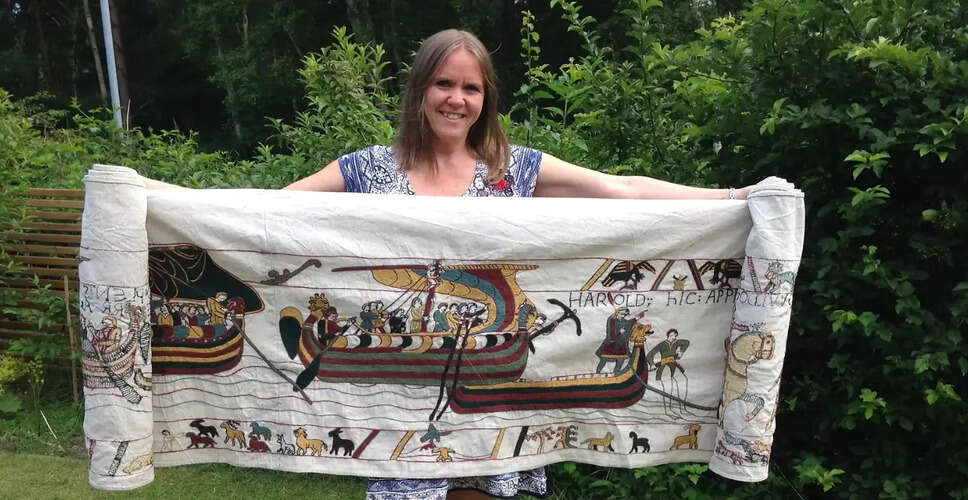

A Historical Artifact with Controversial Roots
The Bayeux Tapestry, much like various elements of British history, is surrounded by debate, albeit in a unique context. This remarkable piece of art has resided in France for nearly a millennium, despite its believed origins in England. According to popular historical narratives, including insights from the British Museum, it is thought to have been crafted by English artisans in Canterbury. However, this remains a theory rather than a confirmed fact. The tapestry, measuring 70 meters, vividly depicts the events of the 1066 Norman Conquest of England, where William the Conqueror, Duke of Normandy, sought to claim the English throne from King Harold. The tapestry has sparked controversy as many view it as a form of Norman propaganda that downplays the violence of the conquest and portrays the English, particularly King Harold Godwinson, in a negative light.
A Cherished Piece of Shared Heritage
Regardless of differing interpretations, the Bayeux Tapestry is a treasured historical artifact shared by both France and Britain. In an unprecedented move, this iconic tapestry will be showcased at the British Museum in London for a continuous 10-month period starting in September, as its home at the Bayeux Museum in Normandy undergoes renovations.
Public Demand and Artistic Endeavors
The public's enthusiasm for the tapestry is evident, with reports indicating that over 65,000 people are in line to purchase tickets for the exhibition. Among those captivated by the tapestry's legacy is artist Mia Hansson, who has dedicated the last decade to creating her own replica of this historical masterpiece. Despite her meticulous work, Hansson admits to having a strong aversion to history, stating, "I hate history with a passion." Yet, she embarked on this ambitious project on July 13, 2016, initially estimating it would take her 5 hours a day for 10 years to complete.
A Personal Journey of Commitment
Hansson's approach to the project was not one of pressure; she allowed herself the freedom to stop whenever she wished. However, as she progressed, she found it increasingly difficult to abandon the project. What began as a casual endeavor turned into a significant commitment, leading her to display completed sections for educational purposes. Yet, she later prioritized the safety of her work, recognizing its growing value.
Anticipation for Completion
Hansson had initially aimed to finish her tapestry this year, coinciding with the original's return to Britain. However, unforeseen delays have pushed her completion date to July 13, 2027, which interestingly aligns with the conclusion of the original tapestry's display at the British Museum. Importantly, Hansson has clarified that her replica is not for sale; her motivation stems from a passion for craftsmanship rather than commercial gain. The original Bayeux Tapestry will be transported to Britain via the Eurotunnel under strict security measures, displayed flat in a glass case at the British Museum, marking a historic opportunity for the public to view the entire tapestry.