
Significance of Makar Sankranti: Traditions and Beliefs
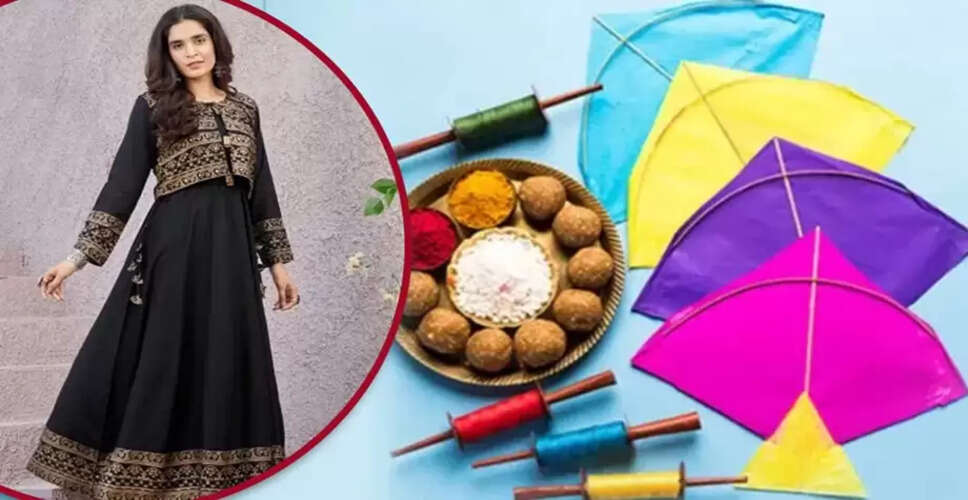
Understanding Makar Sankranti
Makar Sankranti is a highly revered festival in Sanatan Dharma, marking the Sun God's transition into the Capricorn zodiac. This event is seen as a harbinger of positive transformations and fresh energy. On this auspicious day, devotees honor the Sun God through various rituals, often taking sacred dips in the Ganges and other holy rivers to accumulate spiritual merit. Acts of charity and kindness are also emphasized, believed to yield significant rewards. This year, the Sun will enter Capricorn on January 14th, prompting nationwide celebrations filled with joy and enthusiasm. Different regions in India have their unique customs and names for this festival, but a common sight is the sky filled with vibrant kites, creating a festive ambiance.
The Tradition of Wearing Black on Makar Sankranti
Why is Black Clothing Significant?
In Hinduism, wearing black is generally avoided during worship or auspicious events. However, Makar Sankranti is an exception where black attire is deemed favorable. To understand this, we turn to the insights of renowned astrologer Anand Bhardwaj from Ujjain.
Astrological Significance of Black Attire
On Makar Sankranti, Lord Surya (the Sun God) enters Capricorn, a sign governed by his son, Shani Dev (Saturn). In astrology and Sanatan traditions, black is closely linked to Shani Dev. Thus, the practice of donning black on this day is widespread. It is believed that wearing black attire on Makar Sankranti earns Shani Dev's favor, alleviating obstacles and the adverse effects of Shani Dosha (the negative influence of Saturn). This belief is particularly strong in Maharashtra and various southern states, where black clothing is seen as auspicious.
Seasonal Changes and Practical Benefits
Makar Sankranti is not only a religious observance but also signifies a seasonal transition. The sun's northward journey (Uttarayana) indicates the gradual retreat of winter, although the cold is often at its peak during this festival. From a practical perspective, wearing black is beneficial as it absorbs more sunlight, providing warmth. This tradition has been upheld for generations, reinforcing the belief in its auspiciousness.
PC Social Media