Significance of Kartik Month: Rituals and Worship Practices

Understanding the Sacred Month of Kartik
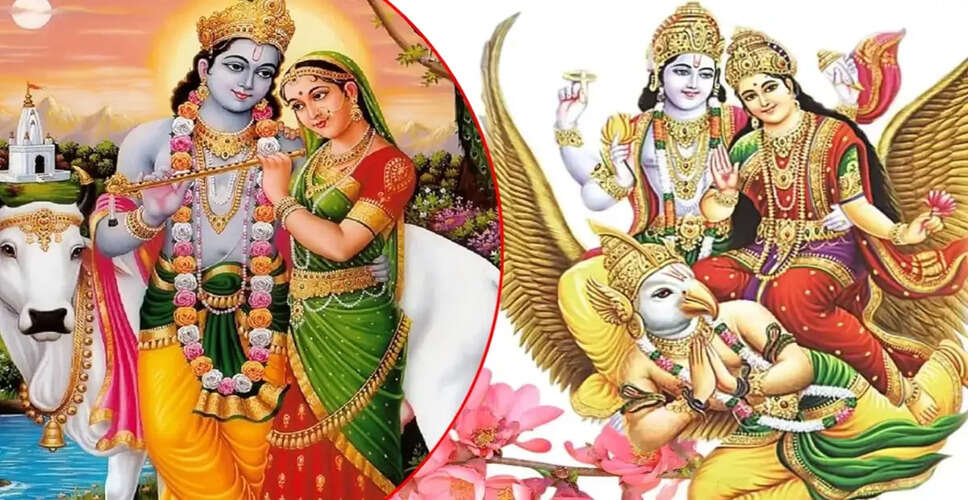
Kartik, recognized as the eighth month in the Hindu calendar, holds immense significance for devotees of Lord Vishnu within the Vaishnava community. This month emphasizes the importance of pre-dawn bathing, evening lamp lighting, reverence for the Tulsi plant, and the chanting of divine names (Hari).
Kartik Month Dates and Rituals
This year, Kartik is observed from October 27 to November 24. It is believed that engaging in specific rituals every Wednesday during this month can enhance happiness and prosperity while inviting Lord Vishnu's blessings.
Special Wednesday Rituals in Kartik
Upcoming Wednesday Rituals
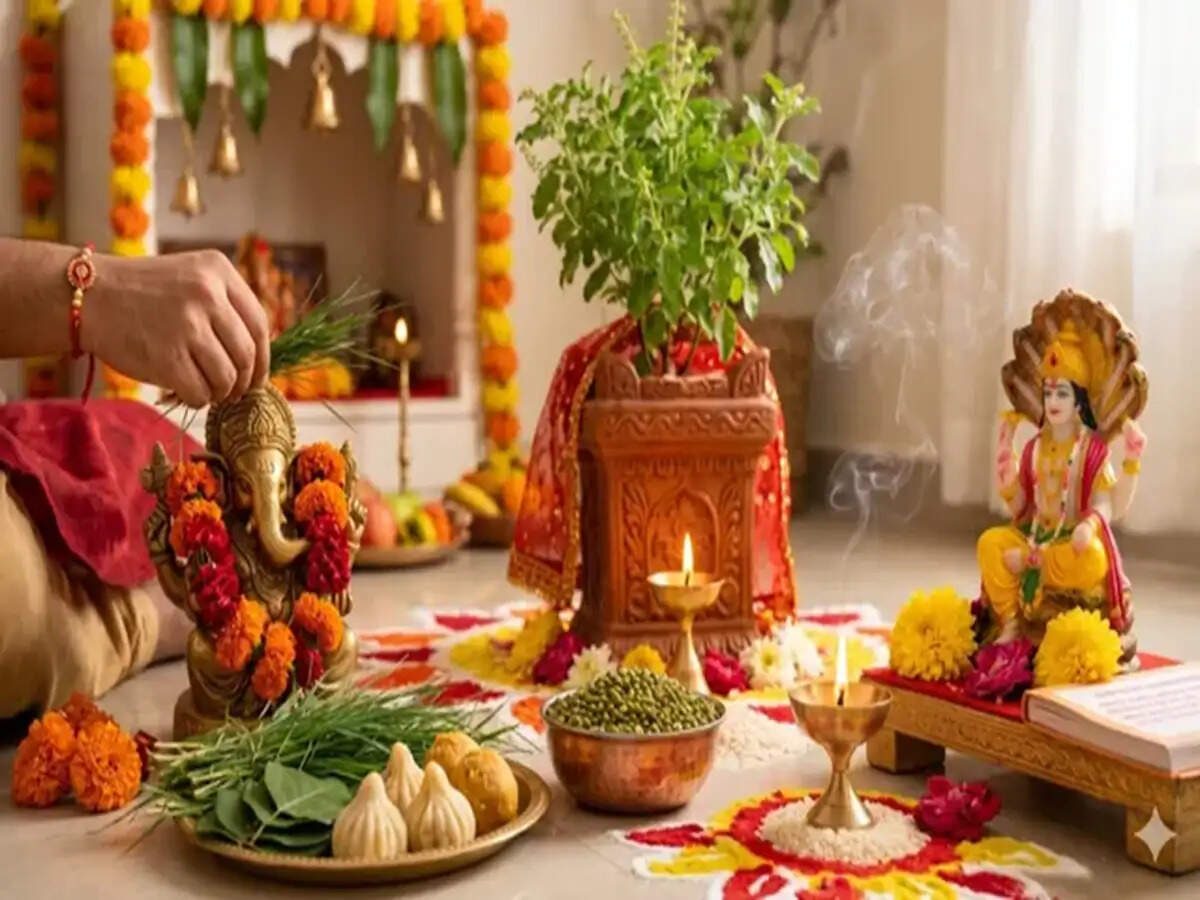
As the month progresses, the next Wednesday falls on November 18. On this day, devotees should bathe in the morning and don clean attire. Following this, they should worship Lord Ganesha with sincerity, offering 21 blades of *durva* (sacred grass).
While presenting the *durva*, recite the mantra: "Om Gam Ganapataye Namah." This ritual is believed to eliminate obstacles and foster success in various endeavors.
Offering Sweets to Lord Ganesha
Modaks and Other Offerings
On Wednesdays, it is considered auspicious to present *modaks*, *laddus*, or sweets made from jaggery to Lord Ganesha. After the offerings, perform the *aarti* and share the *prasad* with family members.
Additional Rituals Alongside Ganesha Worship
Worshiping the Tulsi Plant
During Kartik Wednesdays, devotees may also honor the Tulsi plant, which is highly revered in Hindu texts. In the evening, light a lamp filled with pure *ghee* before the Tulsi and perform *parikrama* (circumambulation) with devotion. This practice is believed to promote family happiness and health.
Feeding Cows
Providing green fodder, spinach, or other green vegetables to a cow on Wednesdays during Kartik is considered a virtuous act (*punya*), as it is said to attract divine blessings.
Acts of Charity and Remedial Practices
Donating Green Mung Dal
Giving green mung dal (split green gram) on a Wednesday is viewed as highly auspicious. This act fosters love and unity within families and is believed to strengthen the influence of Mercury (Budh Grah).
Shami Patra Offering
After worshipping Lord Ganesha, devotees should offer 'Shami Patra' (leaves of the Shami tree) with devotion and chant the mantra, "Om Gam Ganapataye Namah." This is thought to clear obstacles and facilitate success.
Other Spiritual Practices for Wednesdays
Feeding Birds
Providing food and water for birds on Wednesdays during Kartik is spiritually significant. Setting up food in open spaces or rooftops is considered an act of great merit.
Worship of Lord Vishnu
The month of Kartik is particularly cherished by Lord Vishnu. Lighting a lamp before Him on Wednesdays is deemed highly auspicious, along with offering yellow flowers and chanting the 'Vishnu Sahasranama' or the mantra, "Om Namo Bhagavate Vasudevaya."
Guidelines for Wednesdays
Maintaining Positive Communication
On Wednesdays, it is essential to avoid harsh words or insults. Engage with others using kind and positive language, and strive to speak the truth. Assisting those in need is encouraged, as the planet Mercury (Budh Grah) governs speech and intellect. Thus, it is vital to communicate gently and foster a spirit of service.
Conclusion