
Significance of Amavasya During Chaturmas: Spiritual Insights

Understanding Amavasya and Chaturmas
In a year, there are 12 Amavasyas, or new moon days, each offering unique spiritual advantages when religious rituals and prayers are performed. The period known as Chaturmas is particularly dedicated to the welfare of humanity, marking an ideal time for worship, devotion, and fasting. Astrologically, Chaturmas commences on the *Pratipada* (first day) of the *Krishna Paksha* (dark fortnight) in the month of Ashadha and lasts until the full moon day (*Purnima*) in Ashwin.
The First Amavasya of Chaturmas
The initial Amavasya during Chaturmas is particularly important for various rituals, including bathing in the Ganges, conducting prayers, and honoring ancestors. This specific Amavasya is believed to provide greater spiritual merit compared to those on regular days. In 2026, the first Amavasya of Chaturmas is set to occur on a notably auspicious day, promising devotees special spiritual benefits.
Planetary Influence on Spiritual Benefits
**Benefits Based on Planetary Influence**
Pandit Shridhar Shastri from Haridwar notes that while there are typically 12 Amavasyas each year, an additional one may occur in years with an *Adhik Maas* (extra lunar month). The day of the week on which Amavasya falls also enhances its significance, with spiritual rewards varying based on the ruling planet of that day. The first Amavasya of Chaturmas will take place on Tuesday, July 14.
Appeasing Ancestors on Amavasya
**Appeasing Displeased Ancestors**
As the first Amavasya of Chaturmas falls on a Tuesday, devotees who participate in worship, prayers, and charitable acts on this day will gain merit equivalent to donating a thousand cows (*Go-daan*). An Amavasya on a Monday is referred to as *Somvati Amavasya*, while one on a Tuesday is termed *Bhaumvati Amavasya*.
Spiritual Practices on Bhaumvati Amavasya
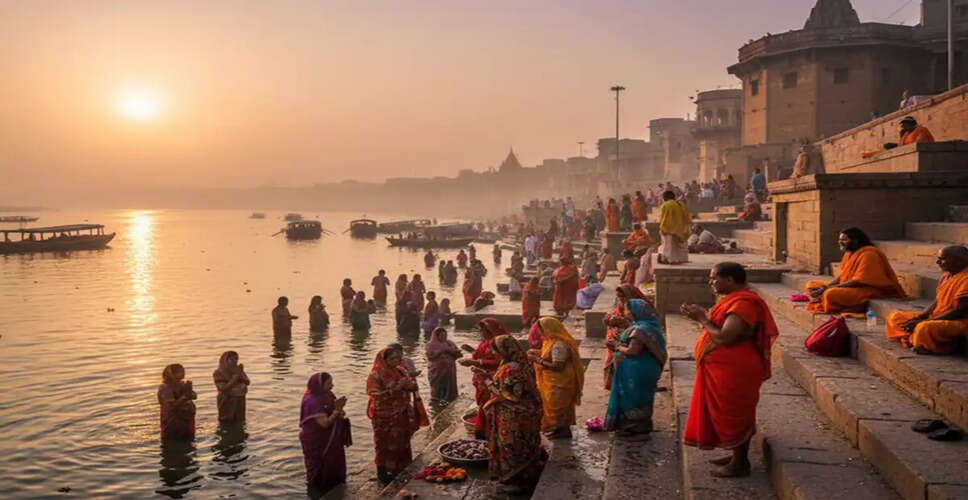
Scriptural texts highlight the importance of *Bhaumvati Amavasya*. On this day, taking a sacred dip in the Ganges at Har Ki Pauri in Haridwar, while chanting mantras dedicated to the Sun God and the River Ganges, along with silently reciting mantras of Lord Shiva, can yield immense spiritual rewards. Additionally, donating clothing, food, fruits, and *dakshina* (alms) to those in need according to one's capacity is believed to multiply spiritual benefits significantly, even appeasing ancestors who may be displeased.
Conclusion
PC Social Media