
Sawan Shivratri 2026: Auspicious Timing for Jalabhishek Ritual

Significance of Sawan Shivratri
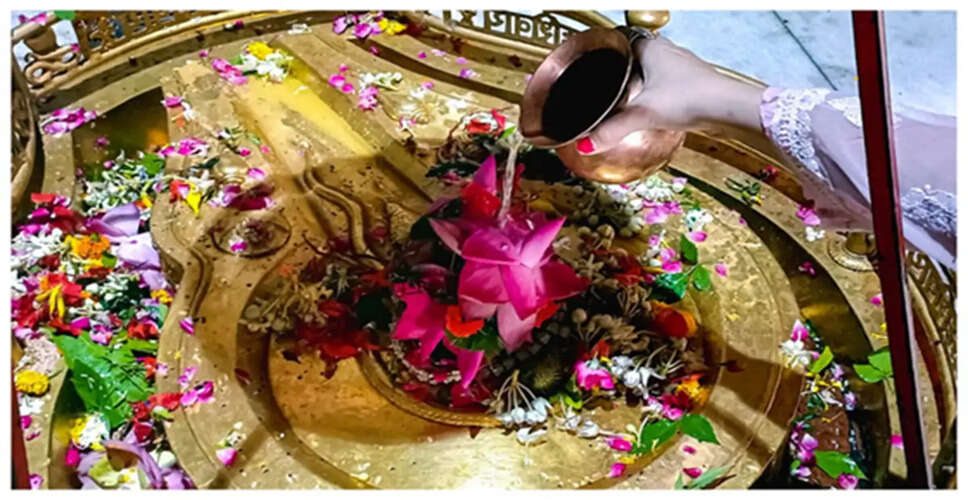
Sawan Shivratri Jalabhishek Muhurat 2026: This festival is a vital occasion for honoring Lord Shiva. Devotees typically fast and engage in *Jalabhishek*, which involves ritual bathing of Lord Bholenath, to seek His blessings. The day is particularly meaningful for those participating in the *Kanwar Yatra*, as *Kanwariyas* visit local Shiva temples to perform the ritual bathing with holy water sourced from the Ganges. In 2026, Sawan Shivratri will take place on Tuesday, August 11. However, devotees are uncertain about the timing for *Jalabhishek* due to the presence of *Bhadra*, an inauspicious period, lasting until the afternoon. Religious customs advise against conducting auspicious activities during *Bhadra Kaal*. Let's explore the duration of *Bhadra* on August 11 and identify the auspicious timings for *Jalabhishek* thereafter.
Duration of Bhadra on Sawan Shivratri 2026
How long will *Bhadra* last on Sawan Shivratri 2026?
As per the *Panchang* (Hindu calendar), the *Chaturdashi Tithi* (fourteenth day) of the *Shravan Krishna Paksha* (waning moon phase in Shravan) will commence at 4:55 AM on August 11, 2026, and will continue until 1:54 AM on August 12. Based on the *Udaya Tithi* (sunrise date), the fast and worship for Sawan Shivratri will be observed on August 11. *Bhadra* is expected to last from the morning until 3:25 PM on this day. Since *Bhadra Kaal* is deemed unfavorable for religious ceremonies, devotees are encouraged to perform *Jalabhishek* only after this period ends.
Auspicious Timings for Jalabhishek
Auspicious timings for *Jalabhishek* on Sawan Shivratri
Once *Bhadra Kaal* concludes at 3:25 PM, devotees can proceed with the ritual bathing (*Jalabhishek*) of Lord Shiva. Worship during the *Pradosh Kaal* and *Nishith Kaal* is particularly significant. Devotees may choose to perform the ritual during these auspicious times based on their convenience.
Key auspicious timings for *Jalabhishek* on August 11:
*Shubh Choghadiya*: 3:45 PM to 5:25 PM
*Pradosh Kaal*: 6:04 PM to 8:04 PM
*Labh Choghadiya*: 8:25 PM to 9:46 PM
Offering water to the *Shivling* during these auspicious periods (*Muhurats*)—after *Bhadra*—is considered highly favorable. However, slight variations in timing may occur based on temple schedules and local almanacs (*Panchangs*).
Guidelines for Kanwariyas
When should *Kanwariyas* offer water to the *Shivling*?
Sawan Shivratri is a significant event for *Kanwar* pilgrims. *Kanwariyas* perform *Abhishek* (ritual bathing) of the *Shivling* using the holy water collected during their pilgrimage. Given that *Bhadra* lasts until 3:25 PM this year, it is advisable to offer water after this time. However, timings may vary slightly based on temple arrangements for the *Kanwar Jalabhishek* and local almanacs. Therefore, devotees should confirm the timings with their local temples or consult a local almanac.
Importance of Abhishek on Sawan Shivratri
Why is performing *Abhishek* of the *Shivling* on Sawan Shivratri considered auspicious?
The entire month of Sawan is dedicated to Lord Shiva. It is believed that worshipping Lord Shiva (*Bholenath*), observing fasts, and performing *Jalabhishek* during this time brings special spiritual benefits. On Sawan Shivratri, devotees honor Lord Shiva by offering water, *Belpatra* (wood apple leaves), and other ritual items to the *Shivling*. It is thought that offering water to the *Shivling* with devotion brings peace of mind and invokes Lord Shiva's blessings. Completing the *Kanwar Yatra* and then performing *Jalabhishek* is also a vital aspect of the religious tradition. On this occasion, devotees pray to Lord Shiva for the fulfillment of their desires and for the happiness and well-being of their families.