
Salvador Dalí's Unique Ashtray Design for Air India: A Surreal Story
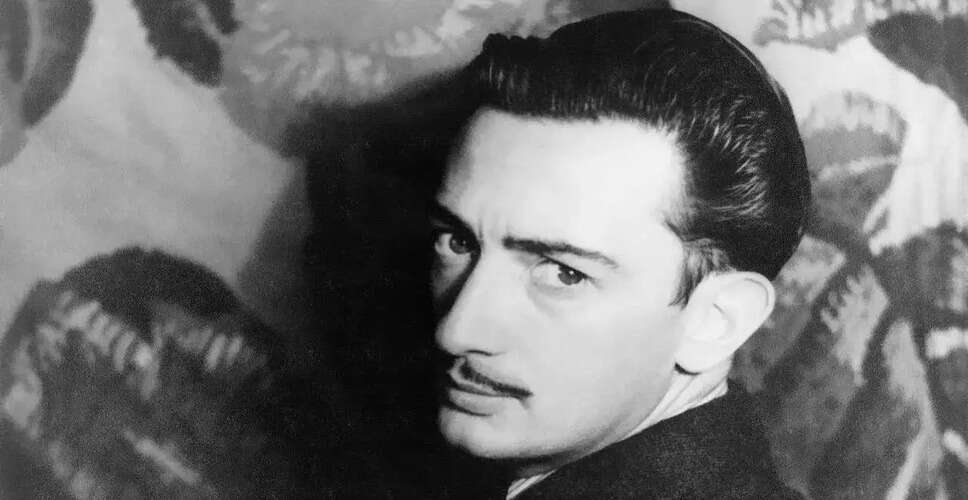

The Surreal Connection Between Salvador Dalí and Air India
Renowned Spanish surrealist Salvador Dalí once created a distinctive set of ashtrays for Air India, driven by his whimsical nature. Instead of monetary compensation, Dalí requested a baby elephant in exchange for his artistic contribution. The 1960s marked an era of opulence in air travel, where passengers experienced royal treatment. Smoking was permitted, air hostesses donned stylish uniforms, and multi-course meals were served on silverware, making it a time often referred to as the "Golden Age" of luxury travel. In 1967, Air India decided to present these unique ashtrays to its international first-class passengers.
During a meeting in New York City, Jot Singh, Air India's public relations officer, approached Dalí to create artwork for the airline, given its esteemed art collection. Dalí showcased a swan design that cleverly transformed into an elephant when viewed upside down. This led to the creation of an ashtray featuring a swan supported by two elephant figures.
According to a booklet published by Air India, the ashtray features a shell-shaped center encircled by a serpent, supported by surreal elephant heads and a swan. Dalí explained his design concept, stating, "The reflection of an elephant's head resembles a swan, and vice versa." This marked a historic moment as it was the first time an artist of Dalí's caliber designed an objet d’art for an airline, a fact that Air India proudly acknowledged.
Dalí's request for a baby elephant as payment was indeed peculiar, but reports suggest he intended to keep it in his olive grove. He even fantasized about riding the elephant across the Alps, although that plan never materialized. Uttara Parikh, who served as Air India's deputy commercial director, embarked on a quest to find a baby elephant. Their first stop was the Byculla Zoo in Mumbai, but they were unsuccessful. They then turned to the Bangalore Zoo, where Air India arranged for a two-year-old elephant to be flown to Geneva, accompanied by a mahout. After clearing customs, the elephant was transported to Cadaqués, Spain, where it was ceremoniously welcomed with festivities. The mayor of Cadaqués even declared three days of holiday to celebrate the elephant's arrival. In 1971, the elephant was relocated to the Barcelona Zoo.