
Sacred Planting Practices During Sawan 2026

Sawan Plant Remedies 2026
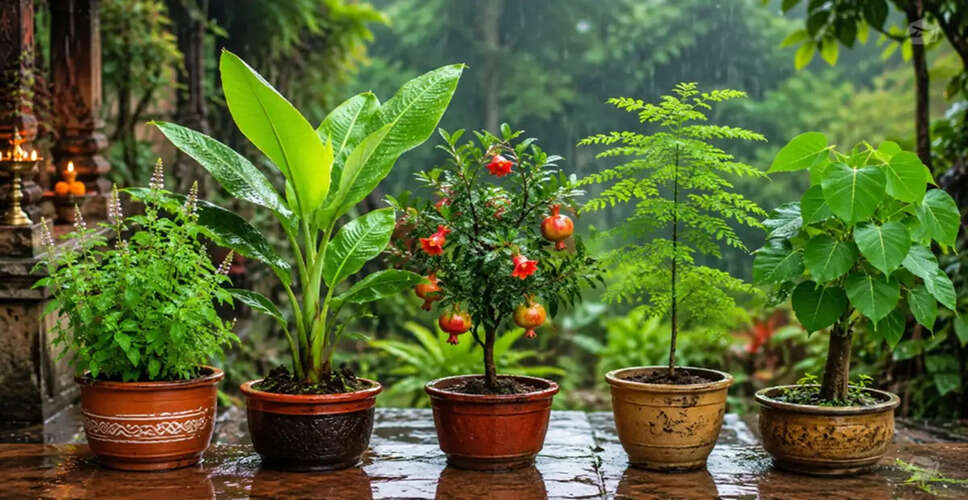
The month of Sawan is revered as a sacred period dedicated to Lord Shiva and a time to reconnect with nature. This month is marked by various rituals, including *Jalabhishek* (water offerings) and tree planting, which hold great importance. It is believed that planting specific plants during Sawan enhances positive energy in homes and attracts blessings from Lord Shiva and Lord Shani. Notably, five plants—Belpatra, Shami, and Aparajita—are particularly significant during this holy month, as they are thought to alleviate planetary afflictions (*Graha Dosh*) and bring relief from difficulties. Let's delve into the religious importance of these plants during Sawan.
Importance of the Belpatra Plant
The Belpatra plant holds a special place in the worship of Lord Shiva. Offering its leaves to the *Shivling* is believed to grant wishes and cleanse sins. Planting a Bel tree near one's residence or a temple during Sawan is said to usher in happiness, peace, and prosperity. Its unique three-leaf structure symbolizes Lord Shiva's third eye and the *Tridev* (the Holy Trinity).
Importance of the Shami Plant
The Shami plant is linked to Lord Shani. Astrologically, it is believed that planting and worshipping the Shami can alleviate *Shani Dosh* (Saturn-related issues), financial hardships, and obstacles in life. Its planting during Sawan is particularly auspicious, as it is thought to attract the blessings of both Lord Shiva and Lord Shani.
Importance of the Tulsi Plant
The Tulsi plant is venerated in Hinduism as a representation of Goddess Lakshmi. Planting Tulsi at home is said to purify the environment and sustain positive energy. During Sawan, it is believed that Tulsi brings joy, prosperity, and mental tranquility to families. Regular worship and lighting a lamp (*diya*) near the Tulsi plant enhance the spiritual ambiance of the home.
Importance of the Aparajita Plant
The Aparajita plant symbolizes Goddess Shakti and victory. Its blue or white flowers are commonly used in religious ceremonies. It is believed that planting *Aparajita* during Sawan dispels negativity and encourages success in endeavors. This plant not only beautifies the home but also carries significant spiritual meaning.
Importance of the Harsingar Plant
The Harsingar plant, also known as *Parijat*, is associated with both Lord Vishnu and Lord Shiva. Its fragrant flowers are considered highly auspicious for worship. Planting *Harsingar* during Sawan is thought to promote peace, harmony, and a positive environment at home. Its delightful fragrance is believed to help maintain a calm and cheerful mindset.
Conclusion
PC Social Media