
Sacred Foods in Hindu Rituals: Understanding Their Significance

The Importance of Sacred Foods in Hinduism
Understanding Sacred Foods in Hindu Culture: Have you ever considered why certain fruits, grains, and sweets hold a special place in Hindu rituals? According to Vedic traditions, numerous food items are regarded as sacred, representing *Sattvic* purity and divine blessings. These foods are offered to deities as *Naivedya* during festivals and worship ceremonies, later distributed as *Prasad* to nourish the soul. Many of these items are deeply embedded in Hindu mythology and referenced in ancient texts. Below are some commonly recognized offerings considered as "food for the Gods," making them ideal for religious ceremonies.
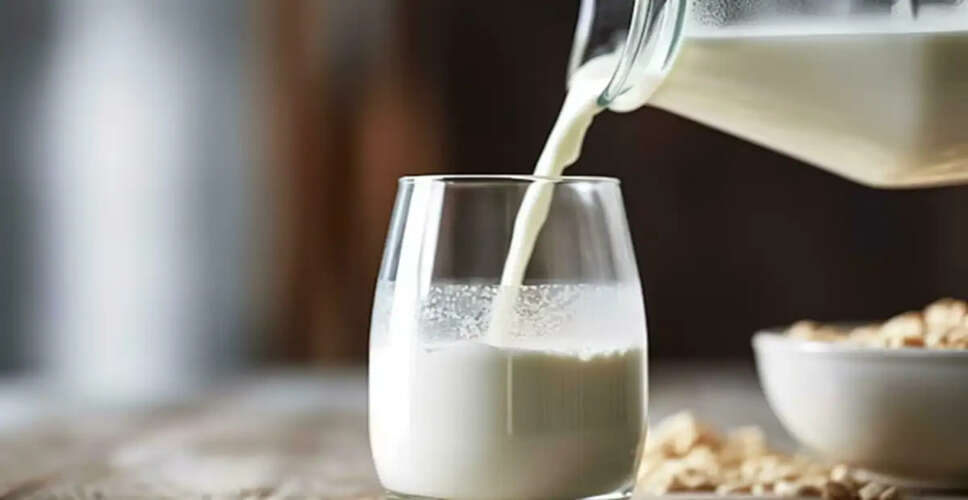
In Hindu mythology, the cow is linked to *Kamadhenu*, the divine wish-fulfilling cow, which is why cow's milk is revered. It plays a crucial role in the *Abhishekam* ritual (the ceremonial bathing of deities) and is one of the most sacred offerings to Lord Shiva.
Using milk in *Abhishekam* is believed to reduce mental stress and promote positivity. Its *Sattvic* qualities help balance the *Pitta* *dosha*, purify the blood, and enhance emotional well-being, making it a fitting offering during fasting days, *Ekadashi*, and general worship. Ancient texts like the *Rigveda* celebrate milk as *Amrita* (nectar), which is thought to convey *Prana* (life force) from the Earth to the devotee.
During Vedic *Yajnas* (sacrificial rituals), pure *Ghee* (clarified butter) is presented to the deities; its golden hue represents the transformative light of the sacred fire (*Agni*). Ayurveda recognizes *Ghee* for its ability to improve digestion, lubricate joints, and enhance *Ojas* (vitality), contributing to immunity and longevity. In temples, especially during Diwali, deities are ritually bathed in *Ghee*, symbolizing the victory over *Tamas* (darkness) and the emergence of spiritual enlightenment.
Raw honey—known as *Madhu* in scriptures—is offered on the *Shivling* during the holy month of *Sawan* and is a key ingredient in the sacred blend called *Panchamrita*. Its natural properties help balance the *Tridoshas* (three bodily humors), heal wounds, and enhance *Sattvic* qualities during meditation. In the Puranas, honey is linked to divine blessings; its offering is believed to eliminate negativity and bring prosperity and vitality.
Ripe bananas are offered to Lord Ganesha and his brother Murugan (Kartikeya); their shape signifies fertility, and they are commonly presented at the Palani temple. Rich in potassium, bananas help pacify the *Vata* *Dosha*, providing a quick energy boost during worship without generating excess heat. The unpeeled banana symbolizes the completeness of *Karma*, a concept celebrated during Navaratri when bananas are shared to spread collective blessings.
Unrefined jaggery, derived from sugarcane, symbolizes prosperity in the *Pongal* offering; its minerals purify the blood, while its iron content serves as a restorative tonic. It alleviates the *Kapha* *Dosha*, sweetens the *Gujiyas* made for Holi, and transforms *Rajasic* tendencies into *Sattvic* ones. The *Bhagavata Purana* regards jaggery as superior to refined sugar, representing the humble yet powerful righteousness of the Earth.
PC Social Media