
Rising Concerns Over Fatty Liver Disease in India

The Growing Epidemic of Liver and Kidney Diseases
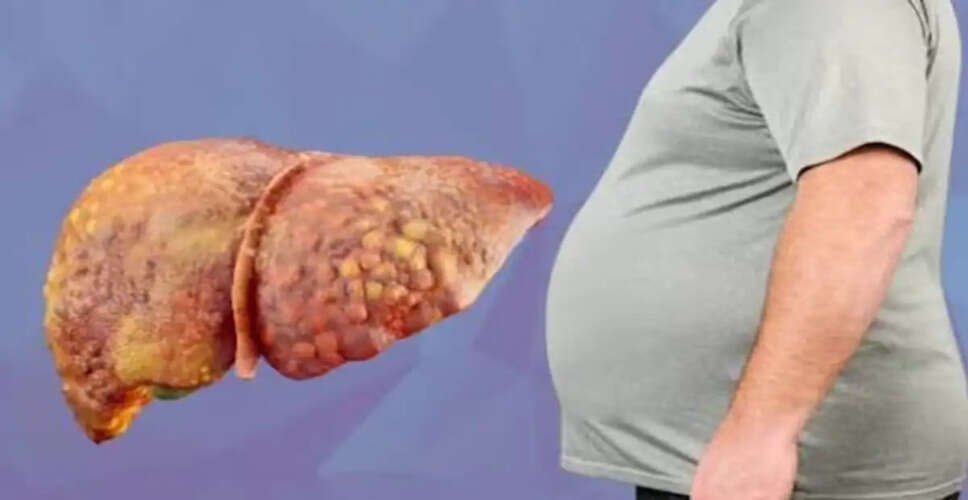
In India, liver and kidney diseases are becoming increasingly prevalent, with fatty liver disease emerging as the most widespread and rapidly growing condition. Many individuals remain unaware of their condition as it develops gradually. A significant study has shown that 38.6% of young adults and 35.4% of children in the country are affected by fatty liver, characterized by fat accumulation in the liver.
Experts express concern over the high number of individuals suffering from fatty liver, emphasizing that the primary issue is the lack of awareness regarding early symptoms. What contributes to this oversight?
Dr. Pramod Garg, who leads the Gastroenterology and Human Nutrition Department at AIIMS, highlighted that nearly 40% of today's youth have excess fat in their livers. Alarmingly, this condition is not confined to adults; it is also increasingly affecting young children, with 30% of them facing fatty liver issues.
An Epidemic-Like Situation
Dr. Garg points out that India is experiencing an epidemic-like scenario. While there have been advancements in managing infectious diseases, metabolic disorders, which previously received less focus, are on the rise despite improvements in public awareness, vaccination, and lifestyle changes.
Factors Contributing to the Rise of Fatty Liver
He explains that fatty liver has become a significant health concern, with various factors contributing to its rise. A major reason is that many individuals do not recognize the symptoms, often mistaking the condition for simple obesity.
The AIIMS study indicates a connection between fatty liver and obesity, as well as high blood pressure. Those with hypertension or diabetes are at a heightened risk of developing this condition. Often, fatty liver can silently inflict damage on the liver. Experts note that India is now facing metabolic challenges like fatty liver, in addition to colorectal cancer, *Helicobacter pylori* infections, and other gastrointestinal diseases.
Furthermore, a study found that 9% of patients with Type-2 diabetes exhibited liver fibrosis. The prevalence of non-alcoholic fatty liver disease is also surging in India, largely due to lifestyle factors.
Recognizing Symptoms Early
What symptoms should one be aware of?
Dr. Garg emphasizes that early detection of this disease is possible, and prompt treatment can avert severe complications. Key symptoms to watch for include blood in the stool, alterations in bowel habits, chronic fatigue, and unexplained weight loss.
Dr. Govind Makharia, a Gastroenterology Professor at AIIMS, remarks that while gastrointestinal issues have long been present in India, a lack of technological advancements has often hindered the seriousness with which these symptoms are treated—a critical factor for ensuring timely intervention.