
Reviving India's Legacy of Resourcefulness Amidst Fuel Challenges

A Call for Sustainable Practices
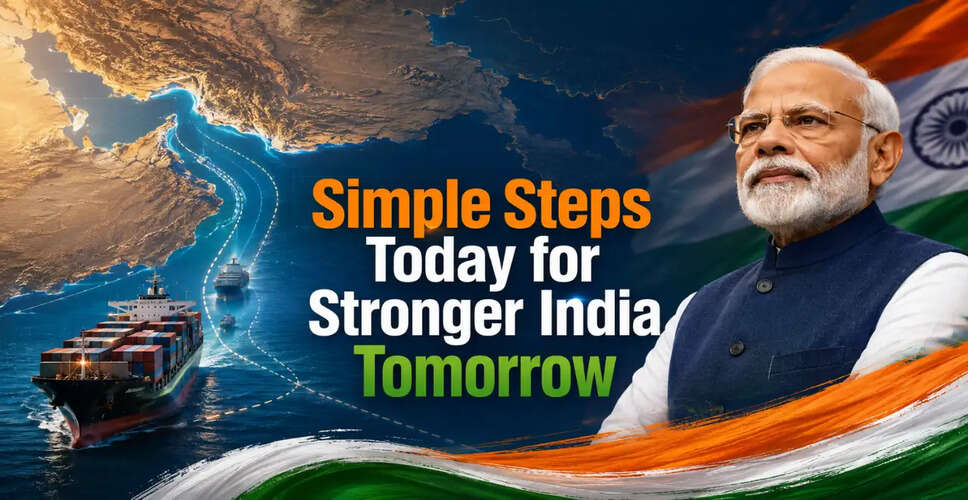
During a public event in Telangana on Sunday, Prime Minister Narendra Modi urged citizens to reconsider their reliance on petrol and diesel. He emphasized the importance of utilizing metro services in urban areas and suggested carpooling when driving is necessary. Modi also advocated for a return to practices adopted during the pandemic, such as remote work and virtual meetings. This appeal was prompted by the recent shutdown in the Strait of Hormuz, which has significantly impacted India's fuel imports and economic stability. Rather than proposing new policies, Modi's response harked back to traditional values of resourcefulness.
The Gandhian Philosophy of Self-Reliance
The Gandhian Foundation
Mahatma Gandhi's teachings provide a modern framework for this philosophy. In his work 'Hind Swaraj' (1909) and throughout his activism, he championed the concept of swadeshi, which advocates for economic independence through local production and minimalistic living. The charkha symbolized this movement, while the Salt March of 1930 illustrated the power of self-sufficiency by demonstrating that Indians could produce essential goods independently of British monopolies. Khadi became more than just fabric; it represented a national ethos of frugality.
Gandhi emphasized that self-reliance was not synonymous with isolation but rather a source of dignity. He promoted 'cooperative self-reliance', where communities would support each other, reducing dependence on imperial supply chains. The moral aspect of minimizing wants was viewed as a strength rather than a sacrifice.
Jugaad: A Cultural Approach to Innovation
Jugaad: The Everyday Inheritance
While swadeshi represents the overarching philosophy, jugaad embodies the practical application of this mindset. This term, now recognized in business schools globally, describes an innovative, resourceful, and flexible approach to problem-solving that is distinctly Indian. Research has classified jugaad as a form of frugal innovation, rooted in scarcity rather than merely addressing it.
The book 'Jugaad Innovation' by Navi Radjou and others outlines principles derived from this practice, such as finding opportunities in challenges and maintaining simplicity. This concept has gained traction in various regions, with companies in Southeast Asia and Africa adopting it to lower research and development expenses.
Frugal Innovation in Space Exploration
ISRO and the Frugal State
The instinct for resourcefulness extends to India's space endeavors. The Indian Space Research Organisation's Chandrayaan-3 mission, which successfully landed near the lunar south pole in August 2023, exemplifies frugal innovation. By reusing components from previous missions and streamlining objectives, ISRO accomplished this feat at a fraction of the cost compared to other space agencies.
Lessons from the Pandemic
The Covid Rehearsal
Modi's reference to practices from the pandemic is significant. Between 2020 and 2022, Indian households underwent a nationwide shift towards reduced consumption, embracing remote work, online education, and virtual social interactions. While the impact varied, the experience demonstrated that society could adapt its daily routines swiftly when necessary.
The Importance of Resourcefulness Today
Why It Still Matters
There are three key reasons why the instinct to do more with less remains crucial in 2026. First, India's reliance on energy imports is a long-standing issue, with approximately 85% of crude oil sourced from abroad. Cultural practices that encourage reduced consumption can serve as a buffer against economic shocks. Second, the narrative around sustainability has evolved; what was once seen as frugality is now recognized globally as a sustainable lifestyle. Lastly, the inherent instinct for resourcefulness persists. When Modi encourages citizens to forgo extravagant spending and carpool, he is invoking a deeply ingrained cultural practice. The challenge lies in whether society can maintain this mindset amidst modern aspirations.