
Rediscovering the Natural Essence of Holi: The Tradition of Tesu Flowers
The Historical Roots of Holi Celebrations
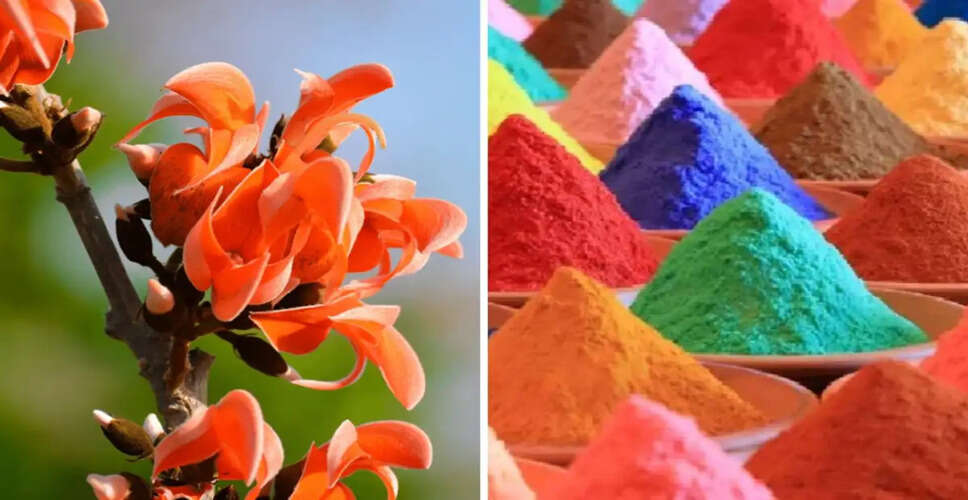
In ancient eras, Holi was celebrated in a manner that was far more natural compared to contemporary practices. This year, the vibrant festival of Holi will take place on March 3, 2026, and excitement is palpable among the people. In today's world, where synthetic colors dominate, we often overlook the rich traditions of our forebears, which were deeply rooted in nature. Historically, the Palash or Tesu flowers were the primary source of colors for Holi.
The Health Benefits of Tesu Flowers
These flowers not only captivate the eye but also offer health benefits when used to create Holi colors. Let's explore the origins of this tradition and the wisdom behind using Tesu flowers.
Cultural Significance of Tesu Flowers
Historical Importance
Historically and mythologically, Tesu flowers hold significant value in the Holi celebrations of Braj. During the era of Lord Krishna and Radha, these flowers were boiled to yield a stunning saffron hue. As spring arrived and these flowers blossomed in the forests, villagers would gather and dry them. In those times, no artificial methods were employed to create colors. Scriptures indicate that playing Holi with flowers was believed to foster peace and love among people.
The Therapeutic Properties of Holi Colors
Scientific Insights
Engaging in Holi festivities with Tesu flowers is not only a cultural practice but also has a scientific foundation. As spring brings climatic changes, the body becomes more vulnerable to skin ailments and infections. The natural properties of Palash flowers can help alleviate such skin issues. Utilizing colors derived from these flowers during Holi acts as a remedy for the body.
Our ancestors always encouraged us to embrace this natural approach, allowing us to celebrate the festival while safeguarding our health. Bathing in water infused with these flowers promotes mental tranquility and fortifies the body against diseases.
Experiencing Holi in Braj
The Devotional Aspect of Holi
The Holi experience in Braj continues to evoke deep emotions and beauty. In certain temples of Mathura and Vrindavan, the preparation of Tesu flower colors is done with immense devotion, filling large pots that are then sprinkled on devotees. Witnessing devotees fully immersed in the colors of Lord Krishna is a breathtaking sight.
Amidst the delicate fragrance of flowers and the vibrant saffron hue, the sound of hymns resonating in the temple courtyard brings profound peace to the mind. This scene serves as a reminder that true joy in celebration comes not from chemicals, but from a genuine bond with nature.
Conclusion
PC Social Media