
Recognizing the Warning Signs of Heart Blockage
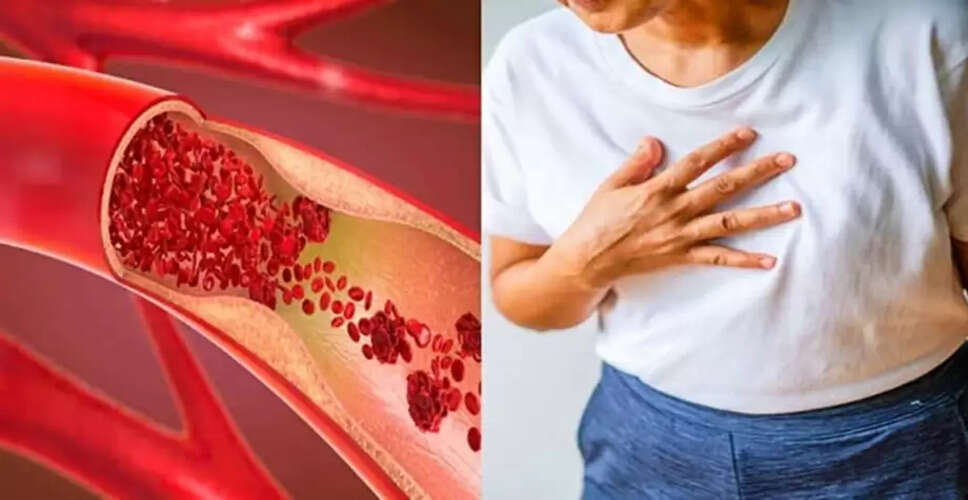
Understanding Heart Blockage
The heart continuously pumps to ensure that oxygen and blood circulate throughout the body. A blockage in the arteries can pose serious health risks, known medically as coronary artery disease or heart blockage.
This condition does not develop overnight; rather, the body provides several warning signs beforehand. In this article, we will explore these signs and how to recognize them to prevent a potentially life-threatening situation.
Key Symptoms to Watch For
Chest Pain
This is the most prevalent symptom associated with heart blockage. Experiencing pressure, burning, or tightness in the chest may indicate angina, which typically arises during stressful moments or physical exertion but often eases with rest.
Difficulty Breathing
If you find yourself short of breath after minimal activity or when climbing stairs, it may suggest that your heart is not getting enough blood. This can be an early warning sign of heart blockage, and immediate medical consultation is crucial.
Fatigue
Feeling excessively tired after simple daily activities can indicate that your heart is not delivering sufficient oxygen to your body, serving as another significant warning sign of heart blockage.
Pain in the Arm, Neck, or Jaw
Heart issues can manifest as discomfort not just in the chest but also in areas like the left arm, back, or jaw. Many individuals dismiss this pain as muscle strain, but it could signify heart blockage.
Irregular Heartbeat
A sudden increase or fluctuation in heart rate, accompanied by feelings of dizziness or lightheadedness, may also indicate a blockage.
Potential Causes of Heart Blockage
Common Factors Include:
High cholesterol levels, high blood pressure, smoking, diabetes, a sedentary lifestyle (such as prolonged sitting), and a family history of heart disease.
Stay Informed
Being aware of these symptoms and risk factors can empower you to take proactive steps towards your heart health.