
Recognizing the Hidden Signs of High Cholesterol
Understanding High Cholesterol Symptoms
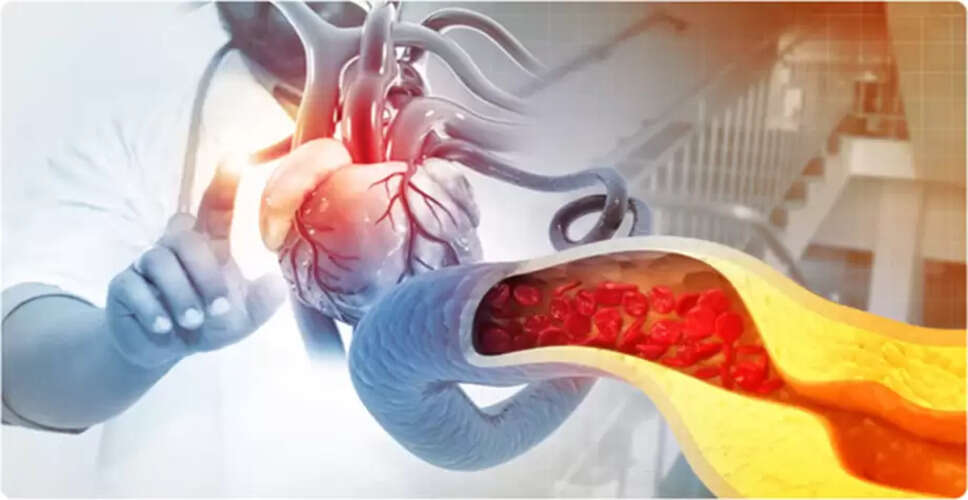
Signs of Elevated Cholesterol: High cholesterol is often referred to as a 'silent killer' due to its lack of noticeable symptoms in the initial stages. However, as cholesterol levels rise and fat begins to build up in the arteries, the body may start to exhibit subtle warning signs. One such sign is mild chest discomfort or pain.

This discomfort arises when the heart muscle is deprived of sufficient oxygenated blood due to blockages from fat deposits in the arteries, a condition known as angina. If you experience mild chest pain along with other physical symptoms, it may indicate that your cholesterol levels have reached a concerning level.
In this article, we will explore four symptoms that should not be overlooked, as they significantly increase the risk of heart attacks and strokes. Early detection and lifestyle modifications can help mitigate this serious health risk.
Key Symptoms to Watch For
Numbness in Extremities
High cholesterol leads to fat accumulation in blood vessels, which can slow down circulation. When blood flow is diminished in the small arteries of the hands and feet, these areas may not receive adequate oxygen, resulting in numbness, tingling, or cramping, particularly at night. This is often indicative of peripheral artery disease, closely associated with cholesterol buildup.
Yellowish Bumps Near the Eyes
As cholesterol levels rise significantly, yellowish deposits may form around the eyes. These small bumps or nodules, known as xanthelasma, can appear on the upper or lower eyelids and are easily identifiable by dermatologists or healthcare providers as a sign of high cholesterol.
Constant Fatigue and Breathlessness
Poor circulation can lead to persistent fatigue. When arteries are blocked, the heart must exert more effort to pump blood to various organs, resulting in ongoing tiredness and weakness. Additionally, individuals may experience shortness of breath during physical activities like brisk walking or climbing stairs.
Pain in the Legs or Skin Changes
Chronic inadequate blood flow can impact the legs, causing the skin to appear shiny, thin, or bluish. In men, this condition may also lead to severe leg pain that eases with rest or thickening of the toenails.
PC Social Media