
Recognizing Stroke Symptoms and the Importance of Timely Medical Care
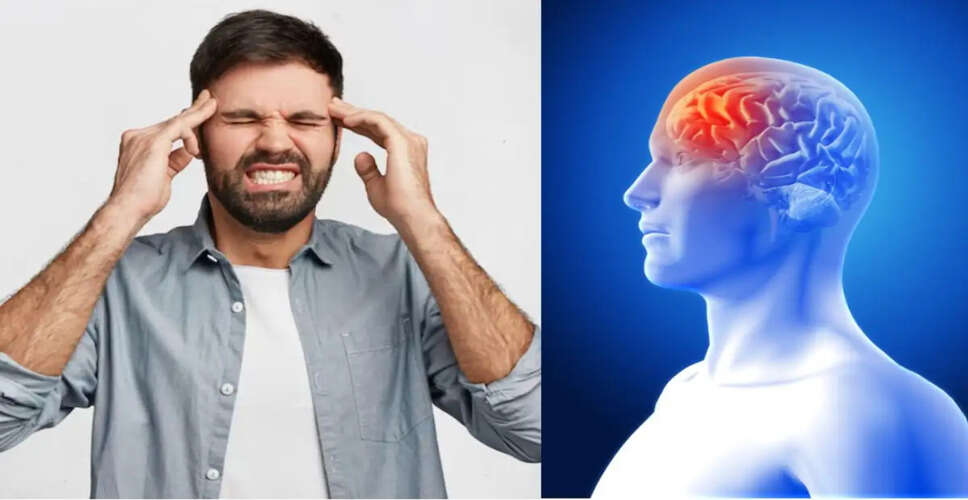

Understanding Stroke Symptoms
During a stroke, individuals may experience facial muscle impairment. Dr. Sumant Kumar Gupta, a physician from Mau, notes that a person's mouth could become uneven, leading to drooling. Additionally, one side of the face or an eye may droop. If these signs appear suddenly, it is crucial to seek emergency medical help without delay.
Physical Effects of a Stroke
A stroke can lead to sensations of tingling, numbness, or weakness in the limbs. Patients might struggle to lift their arms or walk properly, with one side of the body potentially being more affected. If these symptoms arise suddenly, do not hesitate to seek emergency assistance to get to a hospital promptly.
The Importance of Timely Treatment
Receiving prompt medical attention after stroke symptoms manifest is vital. Getting the patient to a hospital within the initial hours allows healthcare professionals to perform necessary evaluations and start appropriate treatments. Certain stroke types require specific interventions within a limited timeframe. Therefore, do not delay; call for an ambulance immediately and inform the medical team about when the symptoms began. Even if symptoms seem to improve, a medical assessment is essential.
Managing Risk Factors
Conditions such as high blood pressure and diabetes can elevate stroke risk. Dr. Sumant Kumar Gupta stresses the need to manage these health issues effectively. Regular monitoring of blood pressure and blood sugar levels is crucial, along with adhering to prescribed medications. Any abnormal test results should not be overlooked. Timely intervention and consistent monitoring can significantly lower the likelihood of a stroke.
Diet and Lifestyle Choices
Maintaining a healthy diet is key to reducing stroke risk. Medical professionals recommend minimizing salt and high-fat food intake. A balanced diet, combined with daily physical activity or exercise suited to individual capabilities, is essential. Regular health check-ups are also important for managing blood pressure and blood sugar levels effectively. Adopting a healthy lifestyle can mitigate the risk of various diseases, including strokes.
Regular Health Check-Ups
Dr. Sumant Kumar Gupta advises that individuals over 40 should have routine health examinations. Keeping track of blood pressure and blood sugar levels is particularly critical. For those with pre-existing medical conditions, it is important to follow the treatment plan as directed by a healthcare provider. If stroke symptoms occur, avoid self-treatment and seek immediate medical care at a hospital. Timely intervention can significantly reduce the risk of severe complications.
Stay Informed
PC Social Media