
Recognizing Intelligence in Children: 7 Key Indicators
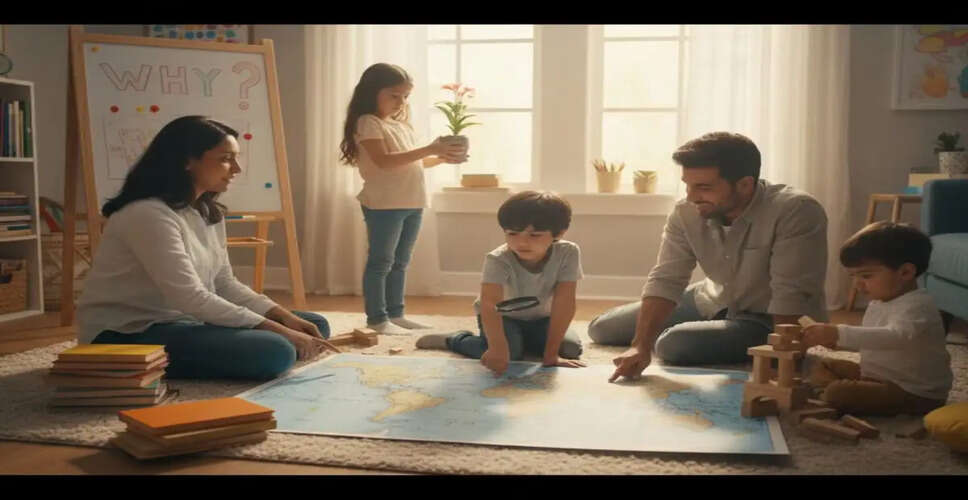

Understanding Your Child's Behavior
Parents often misinterpret a child's inquisitive nature, argumentative stance, or desire for autonomy as mere stubbornness. However, what is often labeled as stubbornness can actually indicate a child's intelligence, confidence, and independent thought. These children are eager to express themselves and seek to comprehend their surroundings. Here are seven indicators that suggest your child is not simply being stubborn, but is instead exhibiting high intelligence.
Signs of Intelligence in Children

1. Inquisitive Nature
Children who frequently ask "Why?" and "How?" demonstrate a natural curiosity. Intelligent kids seek to understand the rationale behind concepts rather than accepting them at face value.
2. Open Expression of Opinions
These children are not shy about sharing their preferences and thoughts. Their ability to articulate opinions indicates critical thinking and decision-making skills.
3. Moral Awareness
When children challenge what they perceive as unjust, it should not be dismissed as mere stubbornness. This behavior often reflects their developing sense of right and wrong.
4. Problem-Solving Skills
Rather than just voicing complaints, intelligent children actively seek solutions. If your child approaches challenges with creative ideas, it showcases their innovative thinking.
5. Persistence
Children who continue to strive for task completion are not being stubborn; they are demonstrating determination, a quality that will serve them well in the future.
6. Eagerness to Learn
These children show enthusiasm for new activities, books, and experiences, highlighting their passion for learning.
7. Desire for Autonomy
If your child wishes to make choices—like selecting their clothes or deciding on games—it reflects their self-assurance and independent spirit.
Supporting Your Child's Development

How to Nurture This Behavior
Instead of reprimanding or silencing thoughtful children, it is essential to listen to their perspectives. Respond to their inquiries with patience and encourage them to develop their own thoughts. This approach will enhance their self-confidence.