
Recognizing Heart Attack Symptoms: A Guide to Prevention and Response
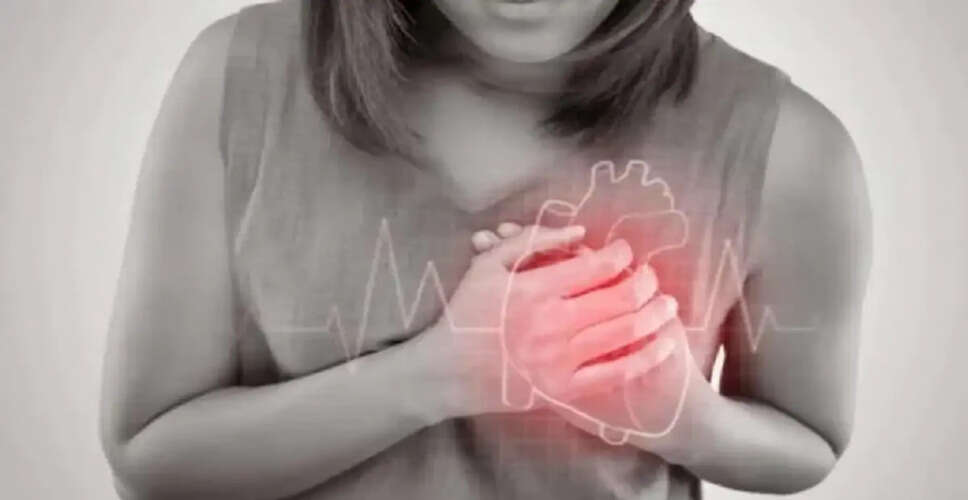

Understanding Heart Attack Symptoms
The thought of a heart attack can induce fear in many. Although this serious condition can occur unexpectedly, the body often provides early warning signs that, if detected promptly, can be life-saving. The World Health Organization emphasizes the importance of being aware of heart attack symptoms. Experts indicate that while these signs can differ among individuals, certain indicators should always be taken seriously.
**Key Indicators of a Heart Attack**
The primary indicator of a heart attack is often a feeling of pain, tightness, or pressure in the chest. This discomfort may extend to the:
Arms
Left shoulder
Neck
Jaw
Back
**Breathing Difficulties:** A sudden onset of shortness of breath can also serve as a critical warning sign.
**Nausea and Stomach Issues:** Some people might experience symptoms like nausea, vomiting, or stomach discomfort, which can easily be confused with common digestive issues.
**Dizziness and Sweating:** Experiencing cold sweats, weakness, or dizziness without exertion can be significant warning signs.
**Pale Skin Tone:** Experts suggest that a pale or ashen complexion, along with visible weakness, can indicate a serious condition.
**Variations in Symptoms for Women and Seniors**
Medical professionals note that heart attack symptoms may not be as apparent in women and older adults. Often, these individuals may only feel fatigue, restlessness, or mild shortness of breath, making it crucial to stay alert. If any symptom lasts longer than five minutes, it is vital to seek medical help immediately.
**Preventive Measures Against Heart Attacks**
**Daily Exercise:** Engage in at least 30 minutes of physical activity each day. Activities like brisk walking, yoga, cycling, and swimming are excellent for maintaining heart health.
**Healthy Eating Habits:** Include a variety of fruits, vegetables, whole grains, and legumes in your diet. Additionally, limit the consumption of fried foods, excessive salt, sugar, and processed items.
Avoid smoking and limit alcohol intake, as smoking is a significant contributor to heart disease, and excessive alcohol can also harm heart health.
Regular health check-ups are essential—monitor your blood pressure, cholesterol, and blood sugar levels, especially after turning 30.
Manage stress and ensure you get enough sleep—practices like meditation and Pranayama, along with adequate rest, can significantly benefit heart health.
What to Do If a Heart Attack Occurs?
Position the patient comfortably.
Loosen any constrictive clothing.
Seek immediate medical assistance.
Aspirin may be given if advised by a healthcare professional.
PC Social Media