
Recognizing Early Symptoms of Kidney Disease: What to Look For


Understanding Early Indicators of Kidney Disease
Recognizing Early Symptoms of Kidney Disease: The kidneys play a crucial role in the human body by filtering blood to eliminate toxins and excess fluids. As kidney function declines, various bodily changes may occur.
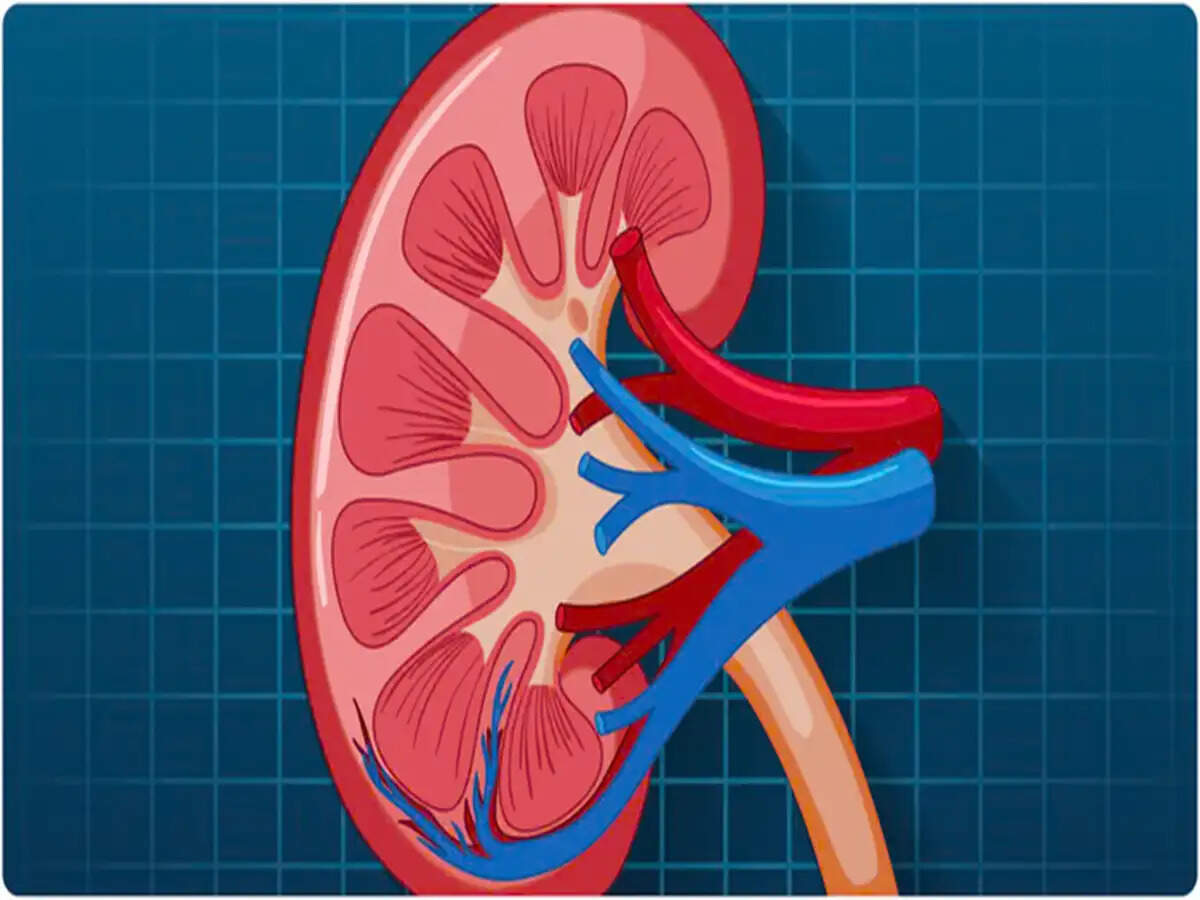
Importantly, early signs of kidney disease can often be detected through changes in urine. While not every alteration indicates kidney issues, neglecting these signs can lead to severe health problems. This article will delve into urine changes that may signal kidney disease, damage, or failure.
7 Early Signs of Kidney Disease Reflected in Urine
Kidney problems can lead to alterations in urine color, volume, and characteristics. Here’s what to look for:
1. Excessive Foaming in Urine
If you frequently observe a substantial amount of foam in your urine that lingers, it’s a sign that should not be overlooked. This could indicate proteinuria, which is the presence of protein in urine. Healthy kidneys filter out waste while retaining essential proteins. However, when their filtering ability is compromised, protein may leak into the urine.
2. Blood in the Urine
Seeing pink, red, or brown urine can be alarming. This condition, known as hematuria, may arise from kidney infections, stones, inflammation, or other urinary tract issues. If you notice blood in your urine, it’s essential to consult a healthcare professional, even if there’s no accompanying pain.
3. Changes in Urine Color
Urine is typically a pale yellow. If it consistently appears dark yellow, brown, or tea-colored, it’s crucial to investigate the cause. Factors such as dehydration, certain medications, infections, or kidney and liver issues can alter urine color.
4. Frequent Urination
If you find yourself needing to urinate more often than usual, especially at night, there could be several underlying causes. Impaired kidney function may hinder the kidneys' ability to concentrate urine. Additionally, conditions like diabetes, urinary tract infections (UTIs), or prostate problems can lead to increased urination.
5. Decreased Urine Output
A sudden drop in urine production can indicate impaired kidney function. This may result from serious kidney issues, dehydration, or urinary tract obstructions. Seek immediate medical attention if your urine output significantly decreases or stops.
6. Frequent Nighttime Urination
Waking up multiple times at night to urinate should not be ignored. Kidney disease can affect the kidneys' ability to concentrate urine, leading to increased nighttime urination. However, this may also relate to age, diabetes, or other health conditions.
7. Unusual Odor in Urine
If your urine has a strong or unusual smell, it could indicate a urinary tract infection, dehydration, or dietary influences. Consult a doctor if this odor is accompanied by symptoms like burning sensations, fever, blood in urine, or lower back pain.
Other Early Signs of Kidney Impairment
Besides changes in urination, other symptoms may arise when kidney disease is present:
Swelling in the face and legs: When kidneys fail to remove excess water and salt, it can lead to swelling (edema).
Persistent fatigue: Kidney disease can cause weakness, often due to anemia or other physiological changes.
Reduced appetite: The buildup of waste products can negatively impact your appetite.
Nausea: Severe impairment of kidney function can lead to nausea and vomiting.

Itchy skin: An imbalance of waste products and minerals can result in itching.
Muscle cramps: Kidney issues can lead to electrolyte imbalances, causing muscle cramps.
It’s important to note that early stages of kidney disease often show no clear or noticeable symptoms.