
Recognizing Early Signs of Fatty Liver Disease
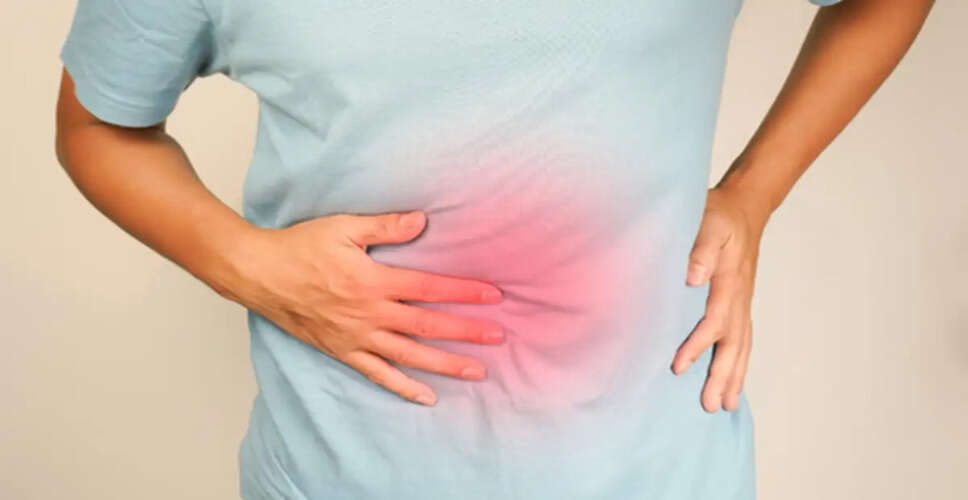

Understanding Fatty Liver Symptoms
Early Symptoms of Fatty Liver: The incidence of fatty liver disease is escalating rapidly, primarily due to modern lifestyles, erratic eating patterns, and insufficient physical activity. Once predominantly associated with alcohol consumption, this condition is now increasingly affecting non-drinkers due to poor lifestyle choices, obesity, diabetes, and a rise in junk food consumption.
A significant concern is that the initial symptoms of fatty liver are often subtle or entirely unnoticed. As a result, many individuals only become aware of their condition after considerable liver damage has occurred.
However, if the early signs are identified promptly and lifestyle modifications are implemented, the condition can be effectively managed. Below are the early symptoms of fatty liver and the precautions to consider.
Common Symptoms to Watch For
Persistent Fatigue and Weakness
A prevalent early indicator of fatty liver is a constant sense of fatigue. Even with sufficient sleep, individuals may feel drained and weak during routine activities. This fatigue arises because the liver is essential for detoxifying the body and regulating energy levels. When excess fat builds up in the liver, its functionality diminishes, resulting in ongoing tiredness.
Pain or Heaviness in the Right Abdomen
Situated in the upper right abdomen, the liver may cause mild pain, pressure, or a feeling of heaviness in the early stages of fatty liver. Many individuals report a sensation of fullness or persistent mild discomfort in this area. Although the pain is typically not severe, it should not be overlooked; consulting a healthcare professional is advisable if it continues.
Bloating and Indigestion
Symptoms such as bloating, gas, or frequent indigestion—occurring even without overeating—can indicate fatty liver. The liver is crucial for digestion, and when its function is compromised, it can lead to digestive issues like stomach heaviness, gas, and indigestion.
Loss of Appetite and Nausea
Individuals with fatty liver often notice a gradual decrease in appetite, losing interest in food or feeling full after consuming small portions. Some may also experience mild nausea. If these symptoms persist, it is wise to have the liver evaluated.
Rapid Abdominal Fat Accumulation
A noticeable increase in abdominal fat is a significant warning sign of fatty liver. Obesity, especially around the abdomen, raises the risk of fat buildup in the liver. If weight gain is accompanied by symptoms like fatigue, indigestion, and a feeling of heaviness in the right abdomen, it should not be dismissed as typical obesity. Regular medical check-ups and dietary and lifestyle adjustments can help prevent the condition from worsening.
PC Social Media