
Recognizing Anxiety Symptoms in Children: A Guide for Parents

Understanding Anxiety Symptoms in Kids
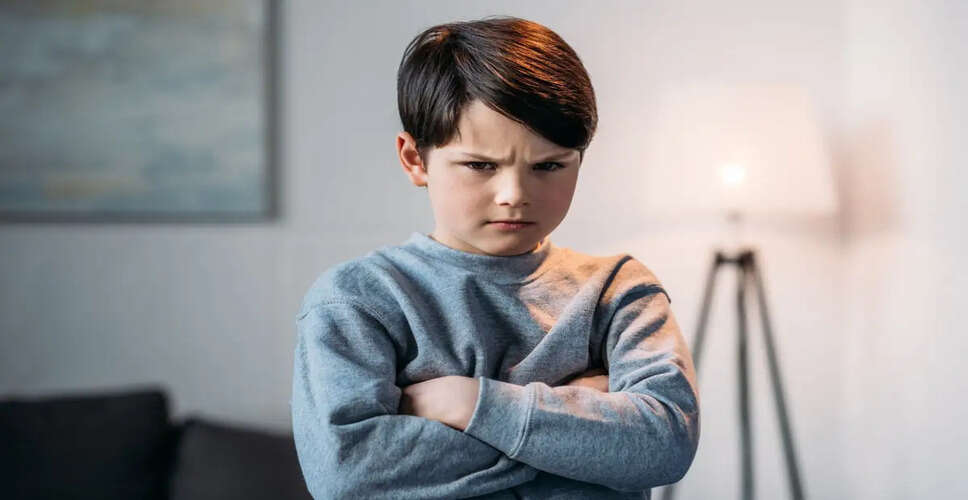
Identifying Anxiety in Children: It's common to interpret a child's anger as mere stubbornness or a tantrum, but this isn't always accurate. Children often struggle to express their fears, the pressures they face, or the effects of mistreatment, leading them to exhibit anger as a signal of distress. If you notice a notable shift in your child's behavior or observe six specific symptoms alongside their anger, it’s essential not to dismiss it as typical stubbornness. They may be affected by something said to them or dealing with internal struggles. In these cases, being observant and understanding promptly is vital. Let's explore these six symptoms recognized by health professionals...
A Call for Attention
A Silent Cry for Assistance
As highlighted by the National Health Mission (NHM), not every instance of anger is simply a child's stubbornness; it can often be a silent cry for help. Any sudden behavioral changes in a child should be taken seriously. Early indicators of mental stress, anxiety, or depression in children frequently manifest through physical and behavioral symptoms. If these issues are ignored, they can develop into more severe problems.
Health professionals recommend that parents remain vigilant if they observe signs such as frequent anger and frustration in their children, as these may point to significant underlying concerns.
Key Symptoms to Watch For
Chronic Frustration: The child often feels frustrated or shows disinterest in activities they once enjoyed.
Frequent Complaints of Physical Ailments: Regular reports of stomachaches or headaches without any clear medical cause.
Heightened Irritability: Becoming easily annoyed over minor issues.
Rapid Mood Changes: Quickly transitioning from happiness to sadness or anger.
Excessive Anger: Reacting with anger to trivial matters or displaying argumentative tendencies.
NHM's Guidance for Parents
Advice from the National Health Mission
The NHM has urged parents to take these behaviors seriously rather than dismissing them as mere mischief. These signs can often reflect academic stress, social issues, family conflicts, or feelings of isolation. It’s important to engage in open conversations with your children, listen to their concerns, and seek the help of a child psychologist or counselor if needed.
Expert Recommendations
Guidance from Experts
Experts suggest that parents should strive to be their children's closest allies. Instead of reprimanding them for minor issues, focus on understanding their feelings. If the six signs mentioned persist, addressing them promptly can help avert many potential challenges for the child.
Stay Connected
PC Social Media