
Protecting Children from Winter Smog: Essential Health Tips
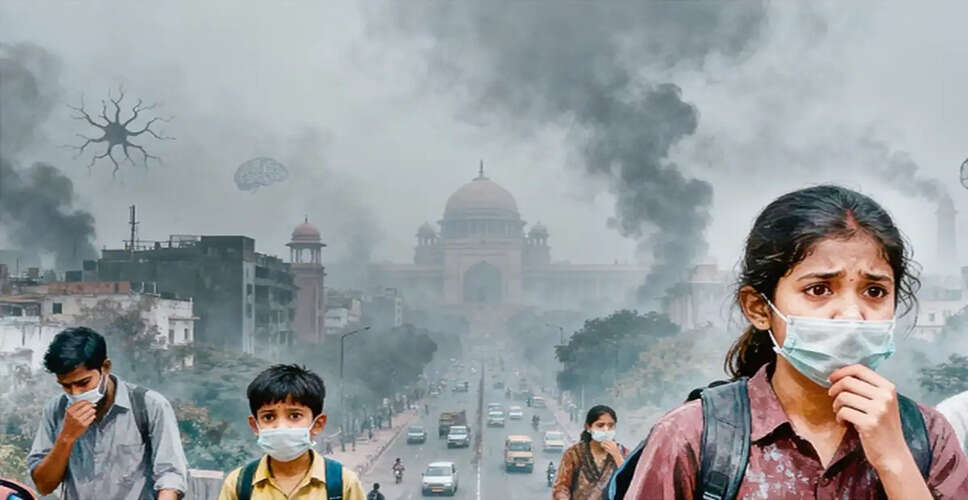

Severe Air Quality Concerns in Delhi-NCR
A thick layer of pollution and smog has enveloped various regions of Delhi-NCR, with the Air Quality Index (AQI) soaring above 400 in numerous areas. This alarming situation poses a significant risk to the respiratory health of both adults and children. The current winter season, marked by a mix of cold air and pollution, has led to a notable increase in respiratory complaints among children, including symptoms like coughing, chest discomfort, and difficulty breathing. Medical professionals emphasize the importance of not overlooking certain respiratory issues during this time.
Children's Vulnerability to Pollution
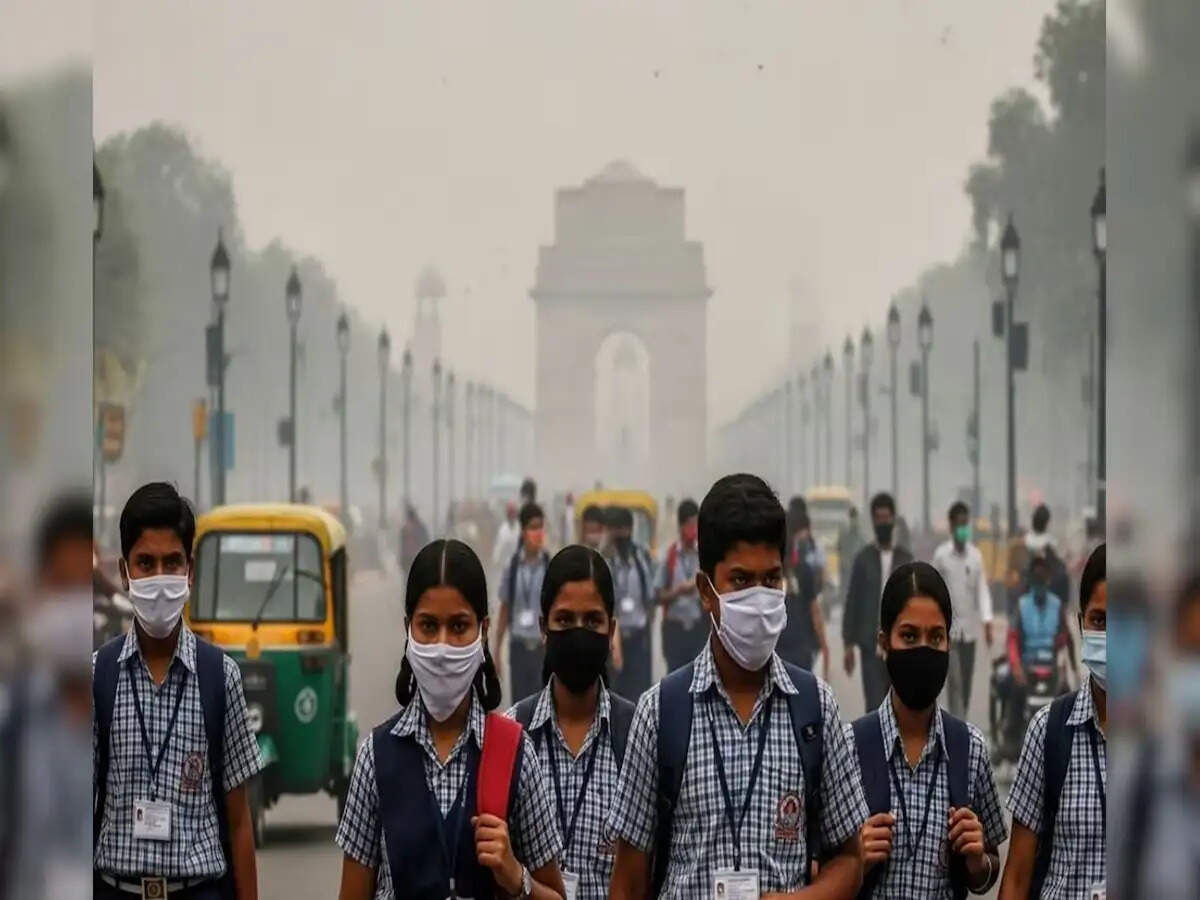
Experts highlight that young children's lungs are still developing, making them particularly vulnerable to pollution's adverse effects. Common issues such as nasal congestion, sore throat, persistent coughing, and breathing difficulties have been reported among this age group. A report from a local news outlet suggests that if a child exhibits persistent coughing, experiences nighttime shortness of breath, or reports chest tightness, it is crucial to seek medical advice promptly.
Understanding the Risks
Dr. Kanaram Jat, a pediatrician at a prominent medical institution, noted that inhaling polluted air can lead to lung inflammation in children. Continuous exposure raises the likelihood of developing asthma. Since younger children may struggle to express their discomfort, parents are urged to closely monitor their behavior for any signs of distress.
Key Symptoms to Watch For
Be Alert to These Symptoms
Dr. Kanaram advises parents to be especially observant if their child shows signs of disinterest in play, excessive fatigue, irritability, sleep disturbances, frequent coughing, nighttime shortness of breath, or chest tightness.
Recommended Actions for Parents
What Should Parents Do?
Health professionals recommend limiting outdoor activities for children on days with heavy smog. It is advisable to encourage indoor play rather than outdoor activities in parks. While indoor air is not completely free from pollution, efforts should be made to maintain a clean indoor environment.
Providing warm water, encouraging steam inhalation, and ensuring adequate rest are beneficial. While home remedies for cough or breathing issues can be tried, if symptoms persist beyond three to four days or if the child experiences severe breathing difficulties, immediate medical attention should be sought.
Precautionary Measures
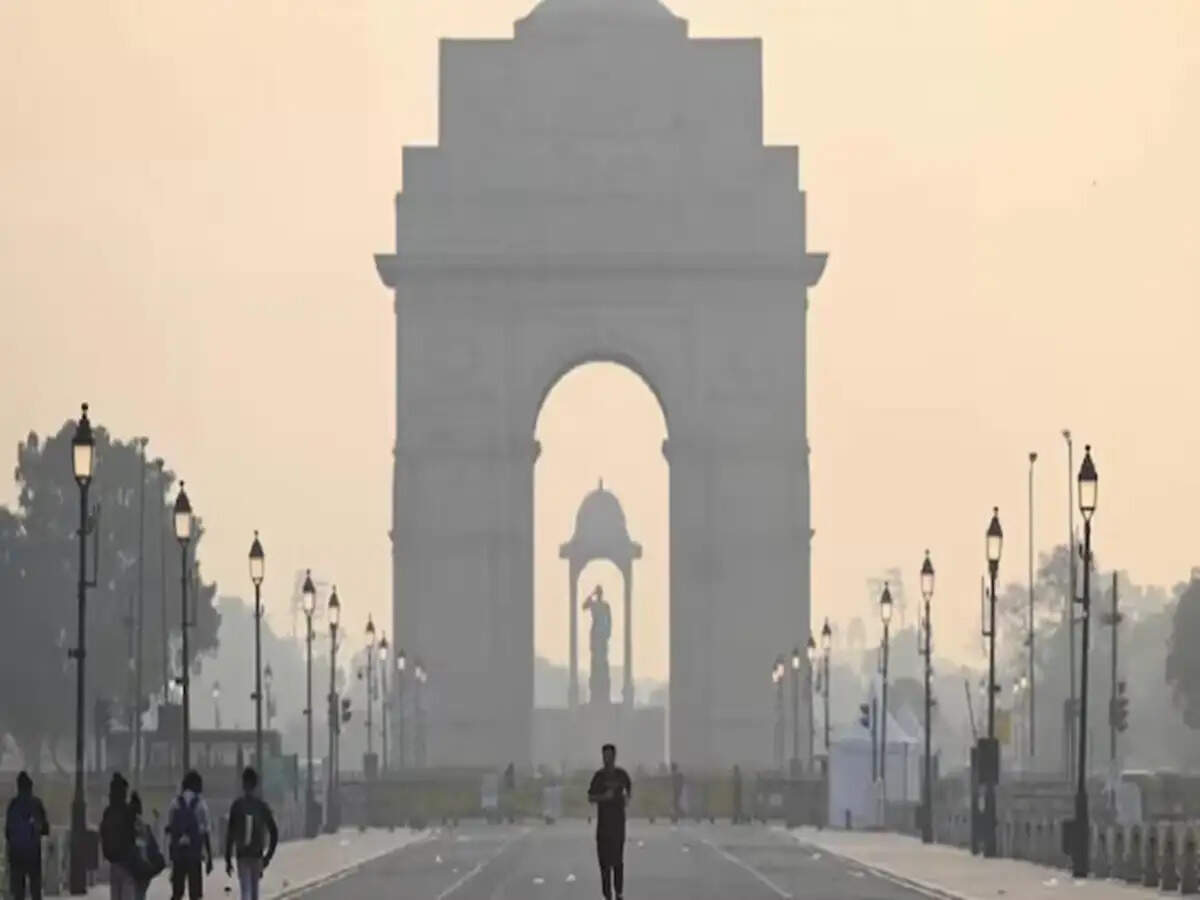
Parents should ensure that children wear masks when going outside and avoid parks or playgrounds during high pollution levels. With appropriate care and timely medical intervention, children can be safeguarded against this serious health threat. In this season of rising smog, vigilance remains the best defense.
Stay Informed
PC Social Media