
Protect Yourself from Hidden Parasites in Vegetables This Winter
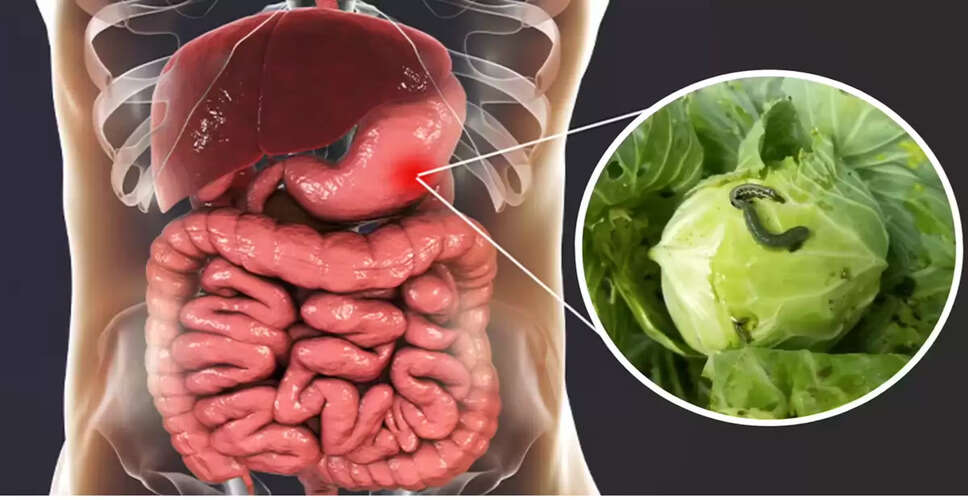
Understanding the Risks of Winter Vegetables
Winter is synonymous with warm, hearty meals like palak paneer (spinach with cottage cheese) and cabbage curry. However, there's a concerning aspect to your beloved vegetables that could pose a threat to your brain health. We're referring to a parasite commonly known as the "brain worm." Let's explore the implications of this parasite and how to safeguard yourself.
Scientifically, this parasite is identified as porcine cysticercosis, which involves tapeworm eggs. These eggs are minuscule and often go unnoticed, clinging to spinach and cabbage due to contaminated water or soil.
Consequences of Ingesting the Parasite
Once ingested, these eggs hatch in the stomach, evolving into tiny larvae.
These larvae penetrate the intestinal wall and enter the bloodstream.
Brain Invasion
Through the bloodstream, they can migrate throughout the body, but they predominantly target the brain. Upon reaching the brain and forming cysts, the condition is termed 'neurocysticercosis.'
Recognizing the Symptoms
Symptoms may include:
- Intense, sudden headaches.
- Frequent seizures.
- Weakness in any body part.
- Blurred vision.
There's no need for alarm; just follow these preventive measures:
This doesn't imply you should eliminate vegetables from your diet. A few straightforward precautions can help:
Soak spinach or cabbage in lukewarm salted water for 10-15 minutes before chopping. This process effectively kills the parasites and their eggs.
Ensure vegetables are thoroughly cooked; high temperatures will eradicate these parasites. After handling vegetables, wash your hands and utensils with soap.
PC Social Media