
Proper Disposal of Puja Materials: A Guide to Respectful Practices
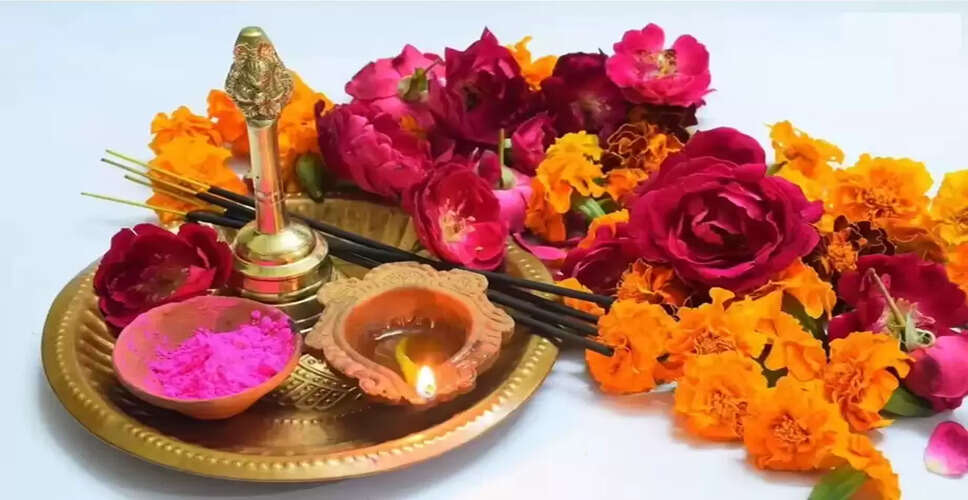
Managing Leftover Puja Items
Handling Puja Leftovers: After conducting a puja, whether it's a simple home ritual or a grand ceremony, it's common to have leftover materials. Items such as offerings, flowers, and garlands are typically not reused in future pujas, leading to the question of how to dispose of them appropriately. While some materials can be stored in the puja area, many require respectful disposal methods.
Maintaining cleanliness, following religious guidelines, and considering environmental impact are essential when disposing of puja items. It is advisable to use natural and sattvic materials during puja, steering clear of plastics or harmful substances. Let’s explore the proper ways to handle leftover puja materials.
Reusing Ghee and Oil
Leftover Ghee or Oil:
If there is any ghee left from the puja, it can be saved for lighting the lamp in the next ceremony, as reusing ghee is deemed auspicious. However, caution is advised with oil; only use the amount that will be consumed while the lamp is lit. Leftover oil should not be repurposed for cooking or other uses, as this is considered inauspicious.
Disposing of Akshat, Turmeric, and Kumkum
Akshat, Turmeric, and Kumkum:
The akshat, turmeric, and kumkum used in the puja should not be reused. It is best to offer them to a Tulsi plant or a Peepal tree. Alternatively, they can be immersed in clean water or fed to birds, which is a commendable act. Ensure that these materials are placed in a clean area where they won't be stepped on.
Handling Fruits and Prasad
Fruits and Prasad:
Any offerings or prasad given to God should be shared among participants. If there are leftovers, they should be fed to cows or other animals and birds nearby. Disposing of puja food in the trash is considered inauspicious, so it should be treated with respect.
Reusing Worship Clothing
Clothing Used in Worship:
Garments offered during worship can be reused in future ceremonies. If the clothing is still in good condition, donating it to those in need is highly auspicious and brings blessings.
Disposing of Flowers and Garlands
Flowers and Garlands:
Flowers and garlands used in worship should never be discarded in the trash. Instead, they can be buried in the soil of a potted plant or placed at the base of a sacred tree, allowing them to decompose naturally and benefit the environment.
Proper Disposal of Wicks and Cotton
Wicks or Cotton Used in Worship:
It is advisable to place used wicks or cotton near a Tulsi plant or bury them in a sacred area. Avoid careless disposal of these items.
Conclusion
PC Social Media