
Post-Diwali Detox: Essential Foods for a Healthy Recovery

What to Eat After Diwali to Detox Your Body
Post-Diwali Detox: Essential Foods for a Healthy Recovery - The Diwali festival is a time of celebration, filled with sweets, savory snacks, and rich meals. However, this indulgence often leads to neglecting one’s diet and fitness. Consequently, many individuals face issues such as bloating, gas, acidity, constipation, fatigue, and weight gain once the festivities conclude.
After the celebrations, a common concern arises: what should you consume to restore your body to a healthy state? Should your diet include fruits, leafy greens, and fiber-rich foods? Is it beneficial to start your day with lukewarm water on an empty stomach?
In truth, your body does not require a crash diet or starvation after the festivities; instead, it needs a balanced diet and a healthy routine. Let’s delve into the foods that can help you recover after Diwali, enhancing digestion and revitalizing your energy levels.
What to Eat for a Healthy Recovery After Diwali?
1. Incorporate Fiber-Rich Fruits
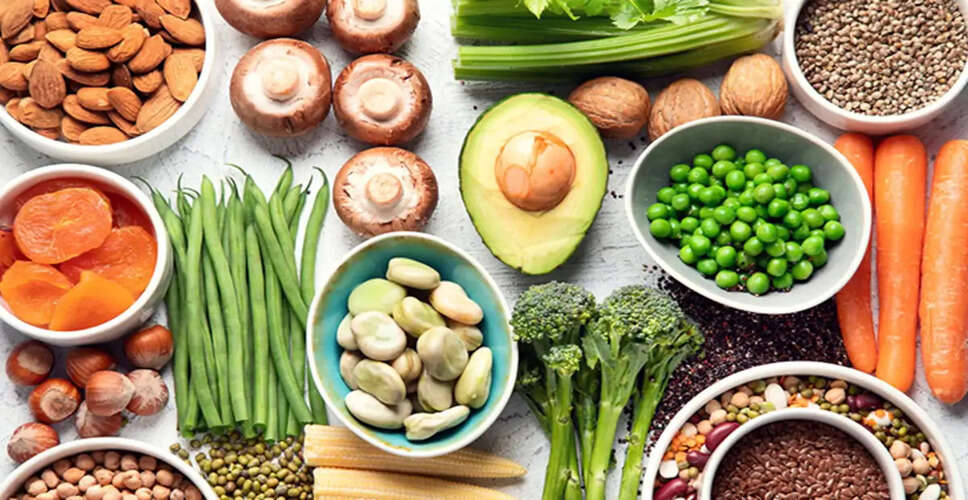
Post-Diwali, add fruits such as apples, guavas, papayas, oranges, and pears to your meals. These fruits are high in fiber, aiding digestion and preventing constipation.
2. Add Green Vegetables to Your Meals
Include vegetables like spinach, bottle gourd, ridge gourd, broccoli, and carrots in your diet. These are packed with essential vitamins, minerals, and fiber. Aim to include seasonal vegetables in your daily meals.
3. Opt for Yogurt and Buttermilk
Yogurt and buttermilk are excellent for digestion. Their probiotics support gut health. Consider having a bowl of fresh yogurt or a glass of buttermilk with your lunch.
4. Stay Hydrated
After consuming high amounts of salt and sugar during the festivities, it’s crucial to drink plenty of water throughout the day. Coconut water and unsweetened lemonade are also refreshing options.
5. Include Protein-Rich Foods
Protein is vital for maintaining fitness. Incorporate lentils, paneer, eggs, chickpeas, mung beans, and sprouts into your meals. These foods nourish muscles and help you feel satiated longer.
6. Choose Light, Homemade Meals
For several days following Diwali, steer clear of deep-fried foods, junk food, and excess sugar. Opt for lighter meals like khichdi, dal-chawal, vegetable soup, or multigrain rotis.
7. Breakfast Options: Oats or Porridge
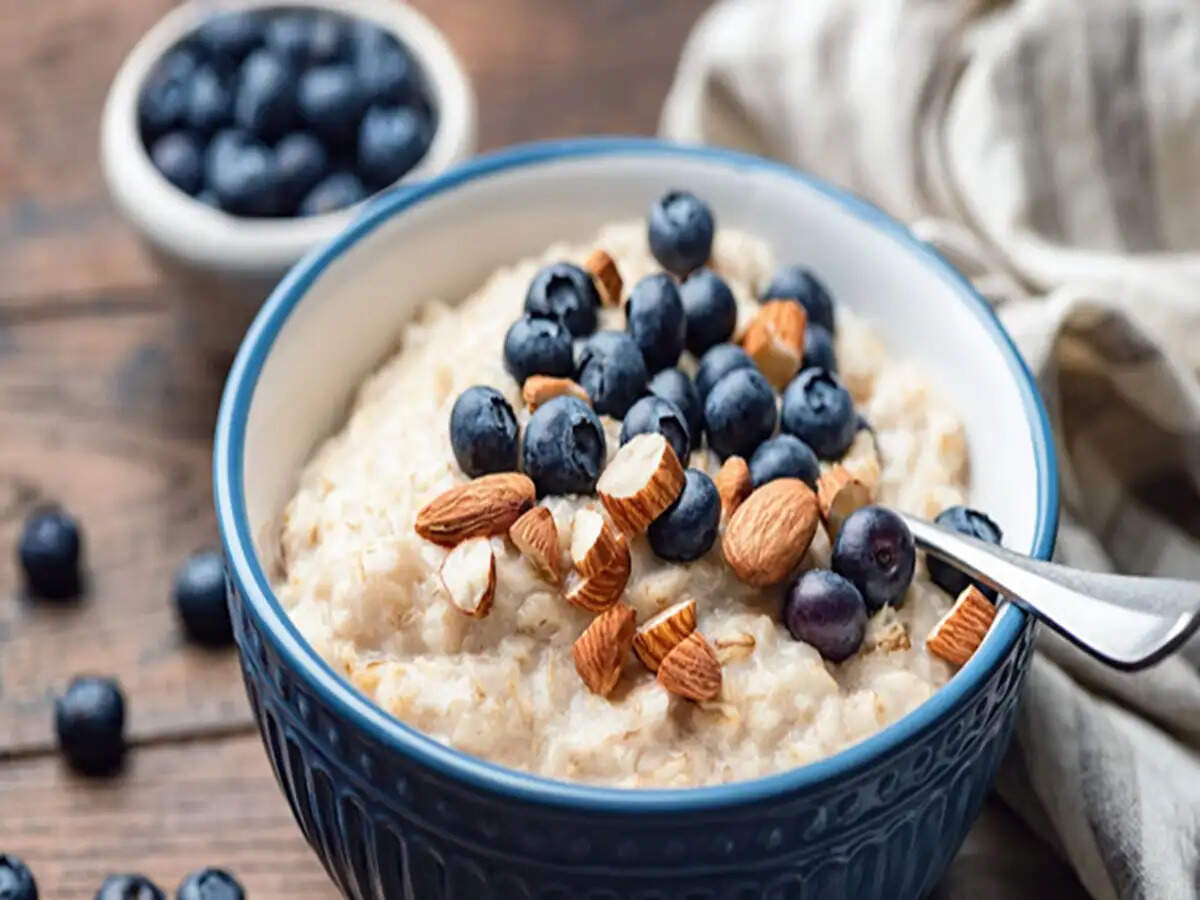
For breakfast, consider oats, porridge, poha, or vegetable upma. These options help keep you full and contribute to a balanced diet.
8. Drink Green Tea and Herbal Infusions
Unsweetened green tea or light ginger tea can be beneficial. However, remember that no drink is a "miracle cure" for detoxification; your liver and kidneys naturally manage this process.
Foods to Avoid After Diwali
Avoid excessive sweets and sugar.
Limit deep-fried items like samosas and kachoris.
Steer clear of soft drinks and packaged juices.
Reduce intake of processed foods and excessive salt.
Refrain from heavy meals at night.
Sample Diet Plan for Post-Diwali Recovery
Time What to Eat
Upon Waking Up A glass of plain water
Breakfast Oats, porridge, or poha
Mid-Morning Apple, papaya, or guava
Lunch Lentils, roti, vegetables, and yogurt
Evening Snack Roasted chickpeas or fox nuts
Dinner Moong dal khichdi or a light meal of roti and vegetables