
Plants to Avoid Planting at Home: A Guide to Divine Trees
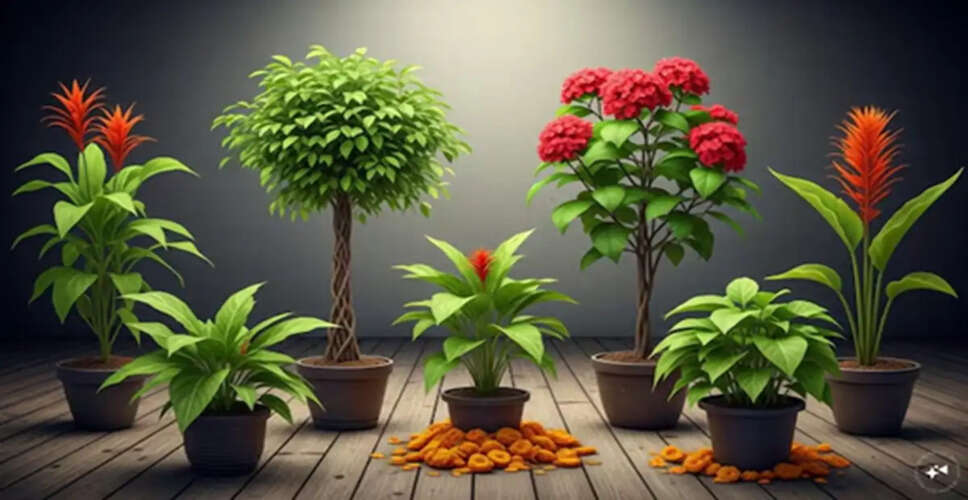

Which Plants Should Not Be Planted at Home?
In Hindu tradition, certain trees and plants are revered as "Divine Trees" (*Dev Vriksha*). These plants are integral to various fasts and festivals, where they are honored through specific rituals. Their absence can render these celebrations incomplete. Surprisingly, there are seven sacred trees that, despite their worship, should not be planted within homes or on balconies. Their placement in courtyards or balconies is strictly discouraged.
**Plants to Avoid in Your Home or Balcony**
**Banyan Tree (*Bargad*):** The Banyan tree is considered sacred, believed to house various deities. During the *Vat Savitri Vrat*, it is worshipped with special rituals, and devotees perform *parikrama* around it. This fast, aimed at securing eternal marital happiness, cannot be completed without honoring the Banyan tree. Despite its reverence, planting it in a home or balcony is not allowed due to its extensive root system, which can damage structures. Additionally, the shadow of a Banyan tree is thought to bring stress and negativity into the home.
**Shami Tree:** The Shami tree is venerated for blessings from Lord Shani (Saturn) and to alleviate the negative impacts of astrological phases like *Sade Sati* and *Dhaiya*. Its leaves are offered to Lord Shani and Lord Shiva. However, it is not advisable to plant this tree indoors, as it is believed to cause *Vastu Dosha* (energetic defects) and is thorny in nature. It is acceptable to plant it outside the home.
**Peepal Tree:** The Peepal tree is regarded as the dwelling of the Holy Trinity: Lord Brahma, Lord Vishnu, and Lord Mahesh (Shiva). To counteract the negative effects of Lord Shani (*Shani Dosha*) and to honor ancestors (*Pitrs*), devotees water its roots and light lamps. Despite its sacred status, it should not be planted within home premises, as its roots can destabilize foundations, leading to financial losses and various life challenges.
**Amla Tree (Indian Gooseberry):** The Amla tree is worshipped for blessings from Lord Vishnu and Goddess Lakshmi, especially on *Amla Navami*. However, it should not be planted inside the house or directly at the main entrance, as this may lead to financial difficulties.
**Aak or Madar:** The flowers of the Aak plant are used in the worship of Lord Shiva, with the deity Shvetark Ganesha believed to reside in its roots. However, this plant should not be grown indoors, as it can lead to family discord and health issues. Its milky sap is harmful to skin and eyes.
**Tamarind:** The Tamarind tree is revered, believed to house a Goddess. Nonetheless, it should not be planted inside or near the home, as per Vastu Shastra, it can lead to family conflicts and diminish love and trust among members, increasing negativity.
**Banana:** The Banana plant is honored during Thursday fasts (*Guruvar Vrat*), with its leaves used in auspicious ceremonies. It is believed to be the home of Lord Vishnu and the divine teacher, Jupiter (*Dev Guru Brihaspati*). While it is worshipped to counteract *Guru Dosha*, it should not be planted behind the house or directly at the main entrance. Instead, it is best placed in the Northeast (*Ishan*) corner outside the house. Improper placement can lead to issues in marital life, education, and other areas.
PC Social Media